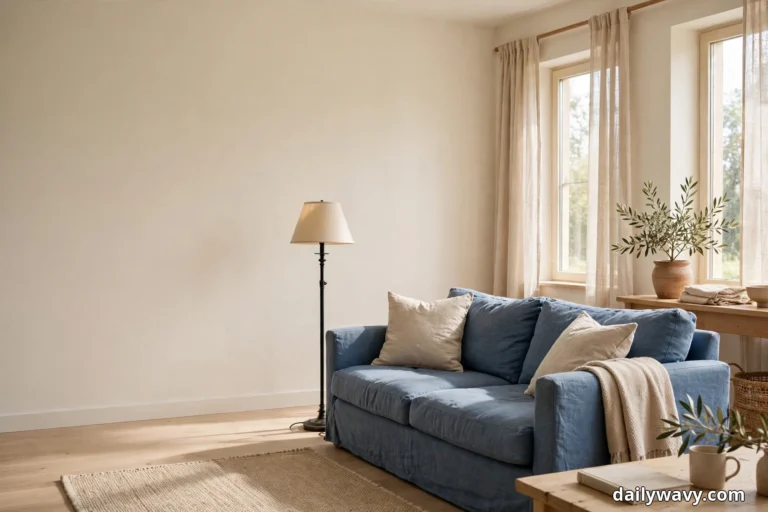
13 Bedroom Reading Corner Ideas to Make Space for a Good Book
Every reader needs one chair that knows them. Not the bed, where reading turns into scrolling, and not the couch,…
Every reader needs one chair that knows them. Not the bed, where reading turns into scrolling, and not the couch, where the television always wins. A bedroom reading corner is a small, deliberate claim: this spot is for books. The good news is that it takes less than you think, often just one wall, one chair, and the discipline to keep the corner clear. This guide walks through thirteen ideas that build a real reading corner piece by piece, from a narrow wall shelf that holds your current stack to a washable cushion cover that survives actual life. Each idea tells you what to check, what it is made of, and where the budget version hides.
Jump to an idea
- 1. A Narrow Wall Shelf
- 2. A Textured Rug Defining The Corner
- 3. A Framed Print In The Background
- 4. A Washable Cushion Cover
- 5. A Lidded Box For Small Items
- 6. A Plant Near Available Daylight
- 7. A Compact Tray For Tea
- 8. A Pair Of Stacked Books On A Stool
- 9. A Soft Lumbar Cushion
- 10. A Small Clock On A Nearby Shelf
- 11. A Wall-Mounted Magazine Rack
- 12. A Warm Accent Color In Textiles
- 13. A Simple Bookend Pair

Reading corner rules before you buy anything
A reading corner fails when the chair gets shoved into a dark, forgotten dead end and succeeds when it stays visible, inviting, and easy to sink into. Keep the seat where you can see it from the door. If the chair reads as part of the room, you will use it. If it reads as storage for clean laundry, you will not.
Measure the corner before anything else. A reading chair needs roughly a 30 by 30 inch footprint, plus about 24 inches of pull-back space in front so you can get in and out without scraping the wall. Mark that zone with painter’s tape and live with it for a day. If the tape keeps getting kicked, the corner is too tight and you need a smaller chair, not a bigger room.
Light is the other non-negotiable. Daylight does the work by day, but you will read at night, so plan a task light now: a warm bulb around 2700 to 3000K, a shade or head positioned at seated eye level, and enough brightness that the page never strains. And check for an outlet within cord’s reach before you fall in love with a layout that strands your lamp across the room.
1. A Narrow Wall Shelf

The reading corner’s biggest enemy is the pile on the floor. A narrow wall shelf, four to six inches deep and mounted at easy reach above or beside the chair, gives your current books a home that is not the nightstand you already use for the lamp. It turns the corner into a little library instead of a landing zone, and because the shelf is narrow, it never tempts you into stacking it with clutter.
What to measure: the clear wall width beside or above the chair, and the reach distance from a seated position. The shelf should sit 18 to 24 inches above the chair’s back or arm, low enough to grab a book without standing. A six-inch-deep shelf holds most paperbacks and standard-size hardcovers upright without the books tipping forward.
Materials: a solid wood shelf at least 3/4 inch thick, or a powder-coated metal ledge if you want a slimmer profile. Brackets must hit studs or use proper wall anchors; a shelf full of hardcovers gets heavy fast.
Placement: mount it on the wall the chair faces or the wall beside it, whichever keeps the spines visible when you sit down. Avoid placing it directly over a radiator or a heating vent, where rising heat will warp paperbacks over time.
Approximate effort: one to two hours, most of it spent finding studs and leveling. A premade picture ledge goes up even faster.
Lower-cost alternative: a single primed pine board cut to length at the hardware store, sanded smooth and finished with two coats of clear matte sealer, hung on inexpensive metal brackets.
2. A Textured Rug Defining The Corner
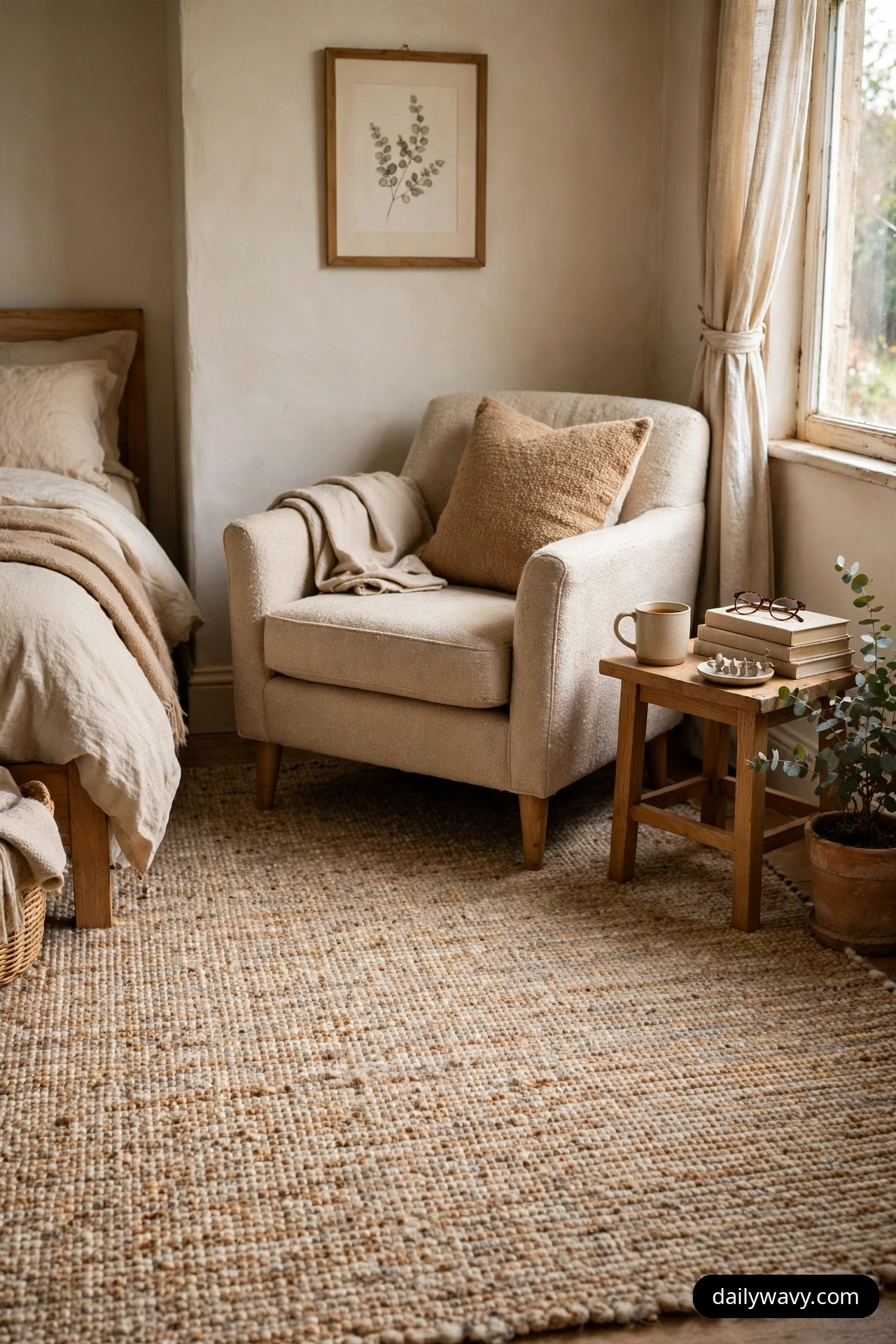
A reading corner without a boundary bleeds into the rest of the bedroom, and boundaries are what make small zones feel intentional. A textured rug does that job with one purchase. The texture matters as much as the size: a flatweave or low-pile wool rug with a visible weave feels substantial underfoot and visually separates the corner from the bare floor around it, even when the chair itself is modest.
What to measure: the chair’s footprint plus about six inches on every exposed side. A typical reading chair needs a rug around 3 by 5 feet, though a 2 by 3 foot runner-style rug works for a truly tight corner. Check door swing too; nothing ruins a reading corner like a rug that bunches every time the door opens.
Materials: wool or a wool blend for texture and durability, or a washable cotton rug if you have pets or want to toss it in the machine. Low pile, under half an inch, keeps chair legs stable and doors clearing.
Placement: center the rug under the front legs of the chair at minimum, with the chair fully on the rug if space allows. Keep at least four inches of bare floor between the rug edge and the wall so the rug reads as a deliberate layer, not wall-to-wall carpeting.
Approximate effort: none. Unroll it, position it, and nudge the chair into place.
Lower-cost alternative: a flatwoven cotton rug in a natural tone. It lacks the deep texture of wool but defines the zone just as well at a fraction of the price, and it is machine washable.
3. A Framed Print In The Background

A bare wall behind a reading chair makes the corner look temporary, like furniture waiting to be moved. One framed print changes that. It gives the eye somewhere to rest when you look up from the page, and it tells everyone who walks in that this corner is finished on purpose. The print does not need to be expensive; it needs to be the right size and hung at the right height.
What to measure: the wall width behind or beside the chair. The frame should span roughly two-thirds of the furniture width beneath it. Mark the hanging height first: the center of the frame should sit about 57 inches from the floor, which puts it at natural eye level for most people standing, and slightly above eye level when seated in the chair.
Materials: a wood or simple metal frame with real glass or acrylic glazing, and a print on heavyweight paper or canvas. Match the frame finish to something already in the room, like the nightstand or the curtain rod, so it ties in rather than shouting.
Placement: hang it on the wall the chair faces or the wall behind it, whichever has the clearest sightline. If the wall is narrow, one vertical print beats two small ones that look lost. Use a proper hook or anchor, not just a nail in drywall, especially for anything over a few pounds.
Approximate effort: under an hour. Measuring and leveling takes longer than the actual hanging.
Lower-cost alternative: a thrifted frame with the old art removed, fitted with a downloadable art print from an affordable print shop. The frame is what people notice, not the provenance.
4. A Washable Cushion Cover

The reading chair takes the most wear of any seat in the bedroom: coffee rings, snack crumbs, the slow accumulation of whatever the cat tracks in. A washable cushion cover is the unglamorous hero of the reading corner. It lets you choose a beautiful light-colored chair without the anxiety, because the cover comes off, goes in the machine, and comes back looking new.
What to measure: the seat cushion and any back cushions separately, length by width by thickness, noting whether the cushion is a box, T-shape, or trapezoid. Covers are unforgiving; a cover that is half an inch too small will never zip.
Materials: cotton canvas, linen blend, or a performance fabric with a removable zipper closure. Light and mid-tone colors hide wear better than stark white, and a subtle texture hides wrinkles between washes.
Placement: this is about the chair you already have or are about to buy. Slipcovered chairs and chairs with separate loose cushions are the easiest candidates. If your chair has a fixed seat, look for a fitted seat cover with elastic or ties instead.
Approximate effort: minimal for a ready-made cover, about twenty minutes to fit and adjust. A custom cover from a seamstress takes a week or two but fits like it grew there.
Lower-cost alternative: a well-chosen throw blanket draped over the seat and tucked into the creases. It is not as clean a look, but it protects the cushion and washes just as easily.
5. A Lidded Box For Small Items

Reading generates small things: reading glasses, bookmarks, a phone charger, lip balm, the pen you use to underline. Left loose, they scatter across every surface within reach. A lidded box corrals them into one place and, because it has a lid, it always looks tidy even when the contents are chaos. It is the difference between a corner that photographs well and one that actually stays well.
What to measure: the surface it will live on, whether that is a side table, a stool, or the shelf from idea one. The box should cover no more than half that surface so the corner keeps some breathing room. Note the height too; a box taller than about eight inches starts to feel like furniture.
Materials: woven seagrass or rattan for texture, lacquered wood for a cleaner look, or a sturdy fabric box with a rigid lid. Avoid open baskets here; the lid is the whole point.
Placement: within arm’s reach of the chair, on the side where your dominant hand falls. If you use the box for chargers, put it near the outlet you identified in the primer step so cords do not snake across the rug.
Approximate effort: none. This is a purchase and a decision about what goes inside. Take a few minutes to load it on day one so it has a purpose from the start.
Lower-cost alternative: a lidded shoebox or hat box covered in wrapping paper or fabric. It sounds humble, but on a side table it reads as a deliberate decorative object.
6. A Plant Near Available Daylight
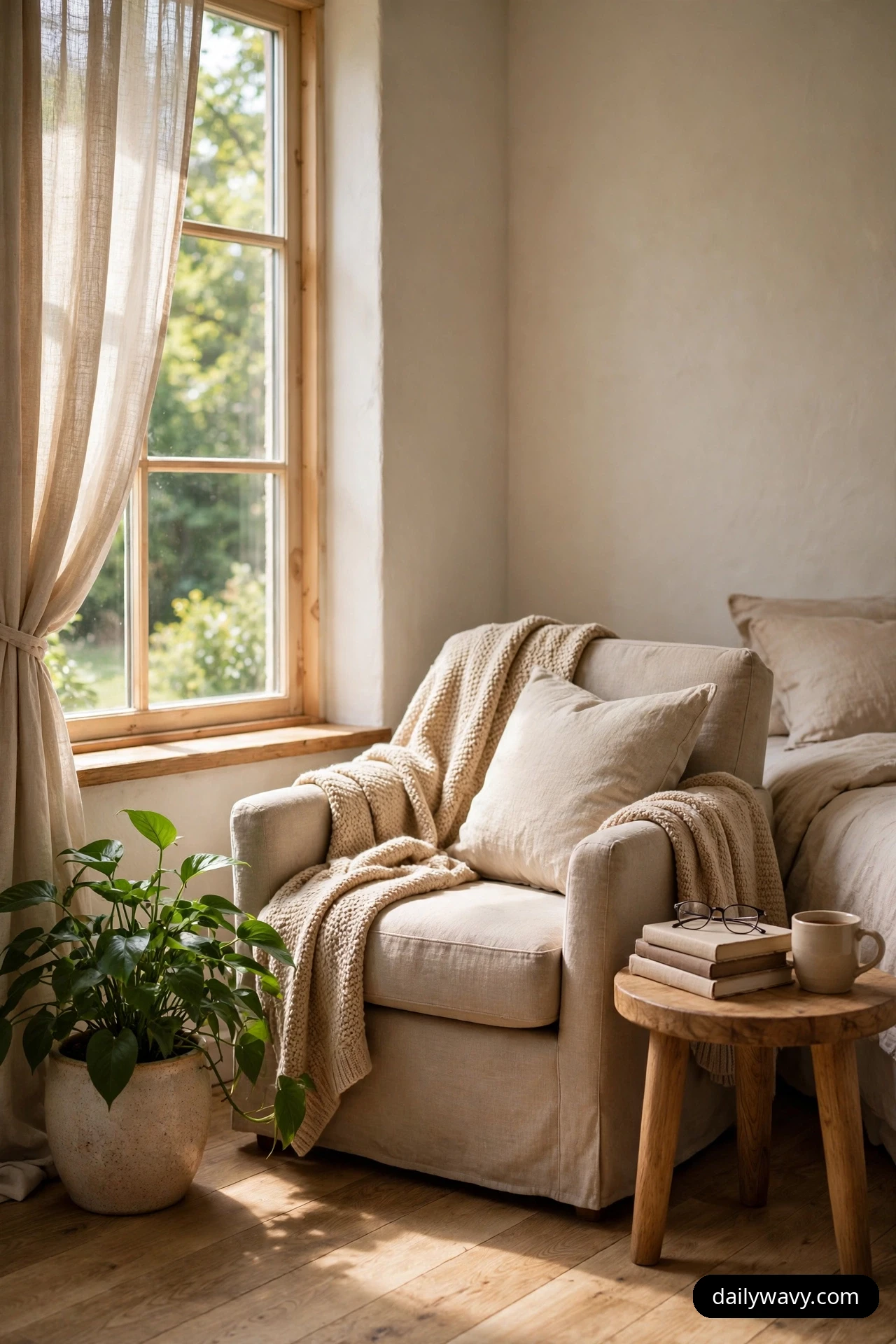
A reading corner is a quiet place, and quiet places feel better with something alive in them. A plant near the available daylight softens the corner, cleans up the sightline, and gives the chair a companion that does not need conversation. The trick is choosing a plant that matches the light you actually have, not the light you wish you had.
What to measure: the light level at the spot over a day. A window that gets direct sun for several hours suits different plants than a north-facing window with only ambient glow. Also measure the floor or surface space for the pot; a plant that overhangs the walkway will get bumped every day.
Materials: for medium to bright indirect light, a pothos, snake plant, or ZZ plant all tolerate the occasional forgotten watering. A simple ceramic or terracotta pot with a drainage hole and a saucer protects the floor and the rug. If cats or dogs chew plants in your home, keep pothos, snake plants, and ZZ plants out of their reach, since all three can upset pets if eaten.
Placement: near the window but not pressed against cold glass in winter. A plant stand or a sturdy stool lifts a smaller plant into the light and keeps it off the rug, which matters for watering day.
Approximate effort: minimal. Pot it, water it, and learn its rhythm. Most of these plants ask for water only when the top inch or two of soil is dry.
Lower-cost alternative: a cutting of a pothos or spider plant from a friend’s plant, rooted in water for a few weeks and then potted. It costs nothing beyond a jar of water and grows fast enough to feel like progress.
7. A Compact Tray For Tea

A reading corner earns its keep when it holds everything for the ritual, and tea is half the ritual for most readers. A compact tray on the side table or stool keeps the mug off the book stack, catches the drips, and turns a cup of tea into an occasion instead of an afterthought. It also means fewer trips from the kitchen.
What to measure: the surface it will sit on. The tray should be at least an inch smaller on every side than the surface beneath it. For a typical mug plus a small teapot, a tray around 10 by 14 inches is plenty.
Materials: wood, lacquered bamboo, or metal with a raised edge. The raised edge is essential; it is what keeps a sliding mug from leaving the tray. A heat-safe surface matters if you brew with a small teapot.
Placement: on the side table or stool within easy reach of the chair, on the opposite side from the lidded box if you have both, so each surface has one job. Keep it away from the rug edge so a bumped mug lands on wood, not wool.
Approximate effort: none. Set it down and use it.
Lower-cost alternative: a small rimmed baking sheet or a thrifted wooden tray. Both do the job and look intentional once they hold a real teapot and cup.
8. A Pair Of Stacked Books On A Stool

You do not need a side table to have a side table. A small stool with a pair of stacked books on top is a side table, a book display, and a quiet statement about what this corner is for, all at once. The stacked books raise whatever you set down to a reachable height and put your current read literally at your fingertips.
What to measure: the seat height of your reading chair. The stool top should land within about two inches of the chair’s arm height so reaching sideways feels natural, not like leaning. Also measure the stool’s footprint; it should tuck close without blocking the walkway.
Materials: a solid wood stool, round or square, sturdy enough to hold a lamp or a stack of books without wobbling. The books themselves should be hardcovers you actually like looking at; their spines become part of the decor.
Placement: directly beside the chair on your dominant-hand side, close enough that your elbow nearly brushes it. If the stool doubles as extra seating when guests come, keep it light enough to move with one hand.
Approximate effort: none, unless you refinish the stool. A quick sand and a coat of paint turns a garage-sale stool into a deliberate piece in an afternoon.
Lower-cost alternative: a sturdy crate turned on its side, or a stack of large coffee-table books bound with a leather strap serving as the surface itself.
9. A Soft Lumbar Cushion
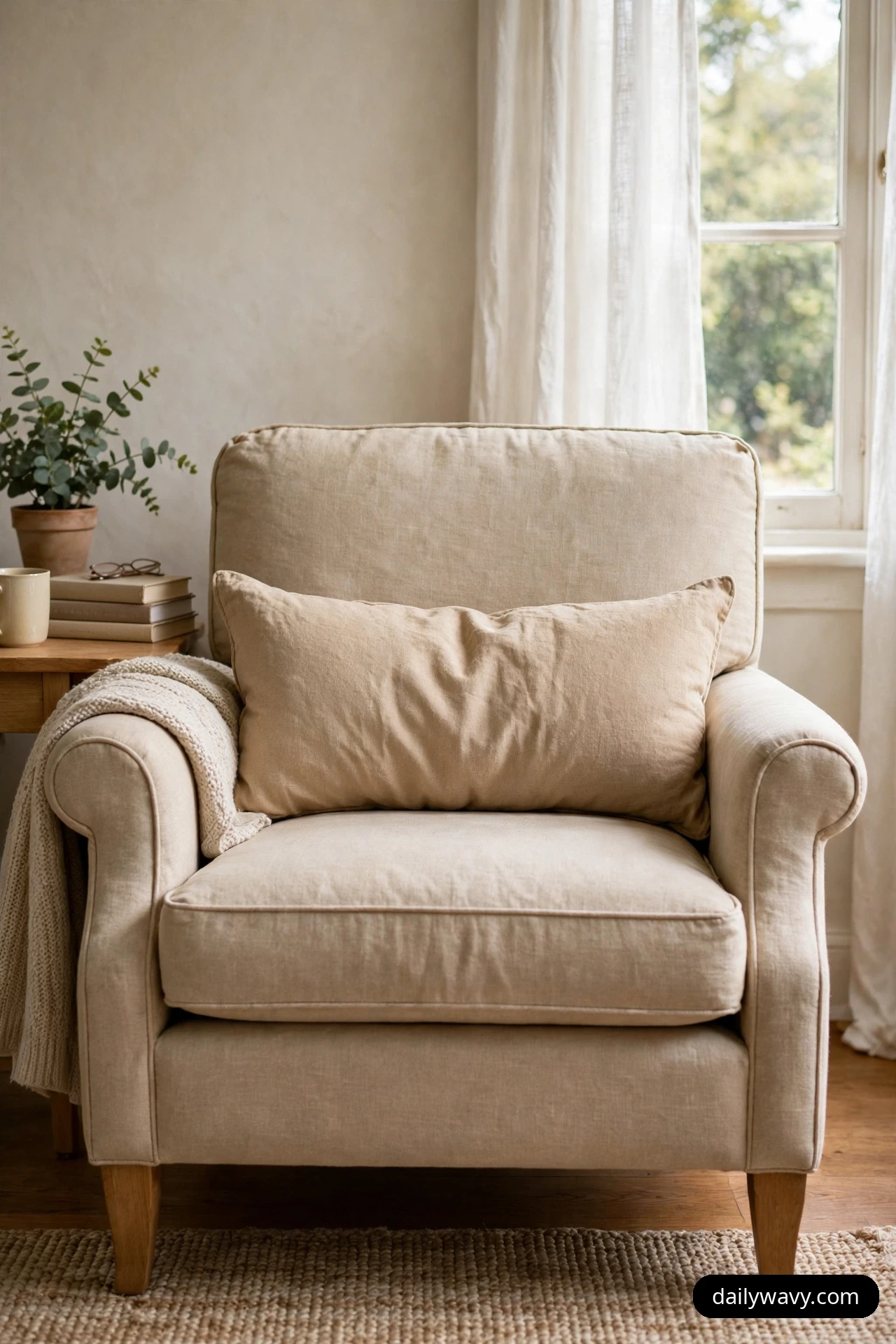
The difference between reading for twenty minutes and reading for two hours is lower-back support. A soft lumbar cushion, the long low pillow that sits in the curve of your back, turns an ordinary armchair into a reading chair. It is one of the cheapest comfort upgrades in this entire guide, and the one most people skip.
What to measure: the width of the chair’s backrest and the depth of the seat. The lumbar cushion should span most of the backrest width without hanging over the sides, and it should be firm enough to hold its shape when you lean back.
Materials: a down-alternative or memory-foam insert with a washable cover in cotton or linen. A cover that matches your accent color from idea twelve ties the whole corner together.
Placement: in the small of your back when seated, not up at your shoulders. That is the whole trick. If the cushion keeps riding up, it is too big for the chair or the chair back is too slick; a cushion with a slightly textured cover stays put better.
Approximate effort: none. Put it in the chair and sit down.
Lower-cost alternative: a standard bed pillow folded in half inside a pillowcase. It is not as tailored, but it supports the lumbar curve and costs nothing if you already own it.
10. A Small Clock On A Nearby Shelf

The reading corner should be the one place in the bedroom where the phone stays face down. A small clock on a nearby shelf makes that possible: you can check the time without unlocking anything, which means no notifications, no “just one email,” no lost hour. It is a boundary disguised as decor.
What to measure: the shelf space available, whether on the narrow wall shelf from idea one or a nightstand edge. The clock face should be readable from the chair without leaning forward, so nothing smaller than about four inches across.
Materials: a simple analog clock with a quiet sweep movement. Ticking clocks and bedrooms are a bad combination at night, so check the movement type before buying. Wood, ceramic, or brushed metal all suit the warm neutral palette.
Placement: on the shelf or surface at roughly eye level when seated, angled slightly toward the chair. Keep it out of direct morning sun if the shelf sits near the window; UV fades clock faces faster than you would expect.
Approximate effort: none. Set the time and forget it.
Lower-cost alternative: any small clock you already own, moved from another room. The point is the habit, not the object.
11. A Wall-Mounted Magazine Rack
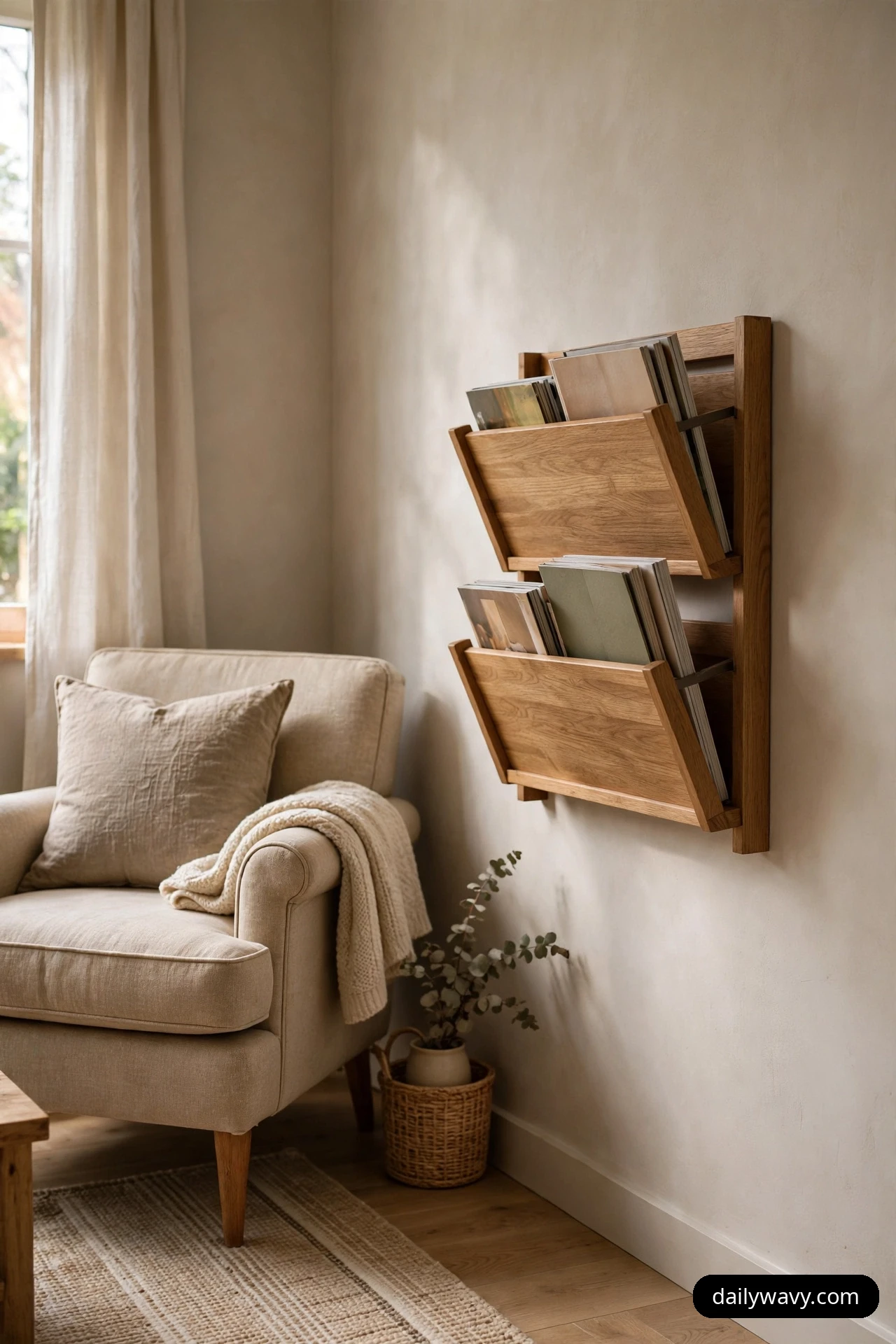
Books have the shelf, but magazines, catalogs, and the Sunday paper need their own system or they end up in the fatal pile on the floor. A wall-mounted magazine rack keeps periodicals visible and upright, which is exactly how they get read instead of recycled unread. Mounted on the wall, it uses zero floor space, which is the whole game in a small bedroom.
What to measure: the wall area beside the chair, keeping the rack within arm’s reach. Note the depth; most racks project four to six inches from the wall, so make sure it does not block the walkway. Check the weight rating too; a rack stuffed with magazines is heavier than it looks.
Materials: wood slats, bent metal, or woven fiber. Mount with proper anchors into studs or masonry-rated fasteners; a rack that pulls out of drywall at 2 a.m. is a story nobody needs.
Placement: on the wall beside the chair at seated reach height, or on the narrow stretch of wall between the chair and the window. Keep the top of the rack below shoulder height so you can see and grab titles without standing.
Approximate effort: one to two hours for mounting, similar to the wall shelf. Marking level and finding studs is the bulk of the work.
Lower-cost alternative: a wire file organizer or dish rack mounted to the wall with two sturdy hooks. It holds magazines upright and costs a few dollars.
12. A Warm Accent Color In Textiles

A reading corner in all neutrals can feel calm to the point of disappearing. One warm accent color in the textiles, a throw blanket, a cushion, or both, gives the corner a heartbeat. Rust, terracotta, mustard, or warm caramel all play well with the restrained warm neutrals in the rest of the room, and because the color lives in textiles, you can change your mind with the seasons.
What to measure: nothing structural, but decide the dose. One throw plus one cushion is the sweet spot. Three or more accent pieces and the corner starts competing with the bedroom instead of belonging to it.
Materials: a chunky knit or woven throw in wool blend or cotton, and a cushion cover in a matching or slightly deeper tone. Texture does as much work as color here; a nubby weave in rust reads richer than a flat print.
Placement: drape the throw over the chair’s arm or back, casually rather than folded into a rectangle. The cushion goes in front of the lumbar cushion from idea nine, so the accent color is the first thing you see.
Approximate effort: none. This is styling, and the best styling takes only a few minutes and one step back to assess.
Lower-cost alternative: dye is not necessary; a single thrifted throw in the right color family does the job. Wash it well and it is indistinguishable from new.
13. A Simple Bookend Pair

Books standing upright on a shelf look like a library. Books leaning in a sad diagonal look like a chore you are avoiding. A simple bookend pair is the tiny piece of hardware that keeps the shelf from idea one looking intentional. It is also one of the most satisfying purchases in this guide for the money, because the before and after is instant.
What to measure: the shelf depth from idea one. The bookends should sit fully on the shelf with their backs flush to the wall or the shelf’s back edge. Note the height of your tallest books; bookends work best when they reach at least halfway up the tallest spine.
Materials: brass, matte black metal, marble, or solid wood. Weight is the real spec: each bookend should be heavy enough to hold a row of books without sliding, which usually means at least a pound or two for metal and more for wood.
Placement: one bookend anchors the end of each row, or a single pair brackets one row if your shelf holds books in one direction only. Push them snug; a gap of even an inch lets the lean start.
Approximate effort: none. Set them down and slide the books in.
Lower-cost alternative: two matching heavy objects you already own, like stoneware mugs filled with sand, or bricks wrapped in linen. They hold books just as well and nobody has to know.
Frequently asked questions
How much space does a bedroom reading corner actually need?
Less than most people think. A compact armchair needs about a 30 by 30 inch footprint, plus roughly 24 inches in front for getting in and out. That is a modest footprint that fits in many bedrooms. If you truly have no floor space, a wall-mounted shelf and a floor cushion can claim a corner without a chair at all. The small reading nook ideas collect ten more ways to make space for a good book in a tight room.
What kind of light is best for reading at night?
A warm task light you can aim. Look for a bulb around 2700 to 3000K, which reads warm and relaxing rather than clinical, positioned so the light falls on the page from over your shoulder or beside you. Overhead room lighting alone creates shadows from your own head and hands, so a floor lamp with an adjustable head or a wall-mounted swing arm beside the chair makes a real difference.
Can I make a reading corner if my bedroom has only one small window?
Yes. Put the chair near the window you have for daytime reading, and invest the savings in a good task lamp for evenings. The ideas in this guide do not depend on abundant daylight; the plant is the only element that cares about light levels, and low-light plants like snake plants and ZZ plants handle dim corners happily. And if your one window has room for a seat beneath it, the window reading nook ideas build the whole reading spot around the glass.
How do I keep the reading corner from becoming a clutter magnet?
Give everything a home on day one. The lidded box takes the small items, the shelf and bookends take the books, the magazine rack takes the periodicals. Clutter appears when objects have no assigned place, so the corner stays clean exactly as long as every category in it has a container. Do a quick reset when you leave the chair: book on the shelf, mug on the tray, throw back on the arm.
What if my partner sleeps while I want to read?
Choose a warm, low task light aimed only at your page rather than a bright overhead, and keep the chair as far from the bed as the room allows. A small clip-on book light works when even a lamp feels like too much. Soft textiles like the rug and throw also absorb a little sound if you are a page-turner.
What is the most comfortable seat for a reading corner?
The one that supports your back and lets your feet rest flat or slightly raised. A compact armchair with a firm seat beats a deep, soft one you sink into, because you need to hold a book up for an hour. Add the lumbar cushion from idea nine to almost any chair and it becomes noticeably more comfortable to read in. Test any chair by sitting in it with a book for fifteen minutes before committing.
Make the corner yours
Thirteen ideas, one chair, and a corner that finally has a job. Start with the seat and the light, because nothing else matters if the chair is uncomfortable or the page is dim. Then add the shelf, the rug, and the small systems that keep the corner clean without effort. The plant and the print and the rust-colored throw are the finishing layer, the part that makes it feel like yours instead of a furniture arrangement.
If your bedroom layout needs rethinking before the corner can fit, the guide to small bedroom with a queen bed walks through arranging a compact bedroom so every zone, including a reading corner, gets its share of floor. And if you are deciding between the bedroom and the living room for your reading spot, the ideas in narrow living room layout show how a reading chair earns its place in a shared room too.
However you build it, protect the ritual. The corner works because it is specific: one chair, good light, the current book within reach, and nothing else asking for your attention. For more small-space ideas across the whole home, browse the home decor collection and save the ones that fit the rooms you actually live in.