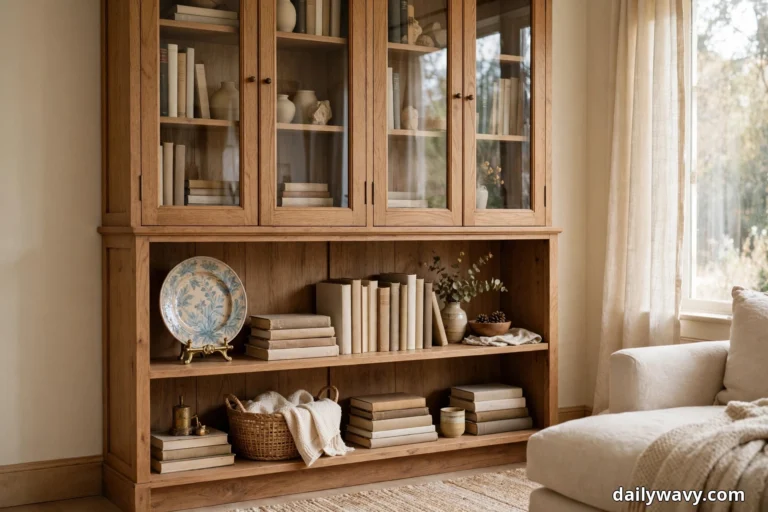
14 Thrifted Vase Display Ideas to Give Your Finds a Place
14 Thrifted Vase Display Ideas to Give Your Finds a Place Thrifted vases are one of the easiest secondhand scores…
14 Thrifted Vase Display Ideas to Give Your Finds a Place
Thrifted vases are one of the easiest secondhand scores to bring home, and one of the hardest to style well. A single $3 find can look like clutter on an empty shelf, while the same vase can look collected and intentional with the right company. The difference is almost never the vase itself. It is the grouping, the surface, the light and the breathing room around it. This guide gives you 14 display ideas, each one built around a real styling move you can copy in your own rooms. Every idea lists what to measure, what to gather, where to place it, how much effort it takes and a cheaper way to pull it off.
Jump to an idea
- 1. A small tonal grouping
- 2. A single focal object with negative space
- 3. A low tray-based arrangement
- 4. A vertical display in a narrow nook
- 5. A balanced pair with different heights
- 6. A small tabletop cluster
- 7. A restrained shelf vignette
- 8. A neutral background highlighting texture
- 9. A mixed old-and-new grouping
- 10. A compact corner display
- 11. A repeated shape with varied finishes
- 12. A wood-and-ceramic pairing
- 13. A dark backdrop for light objects
- 14. A light backdrop for dark objects

1. A small tonal grouping
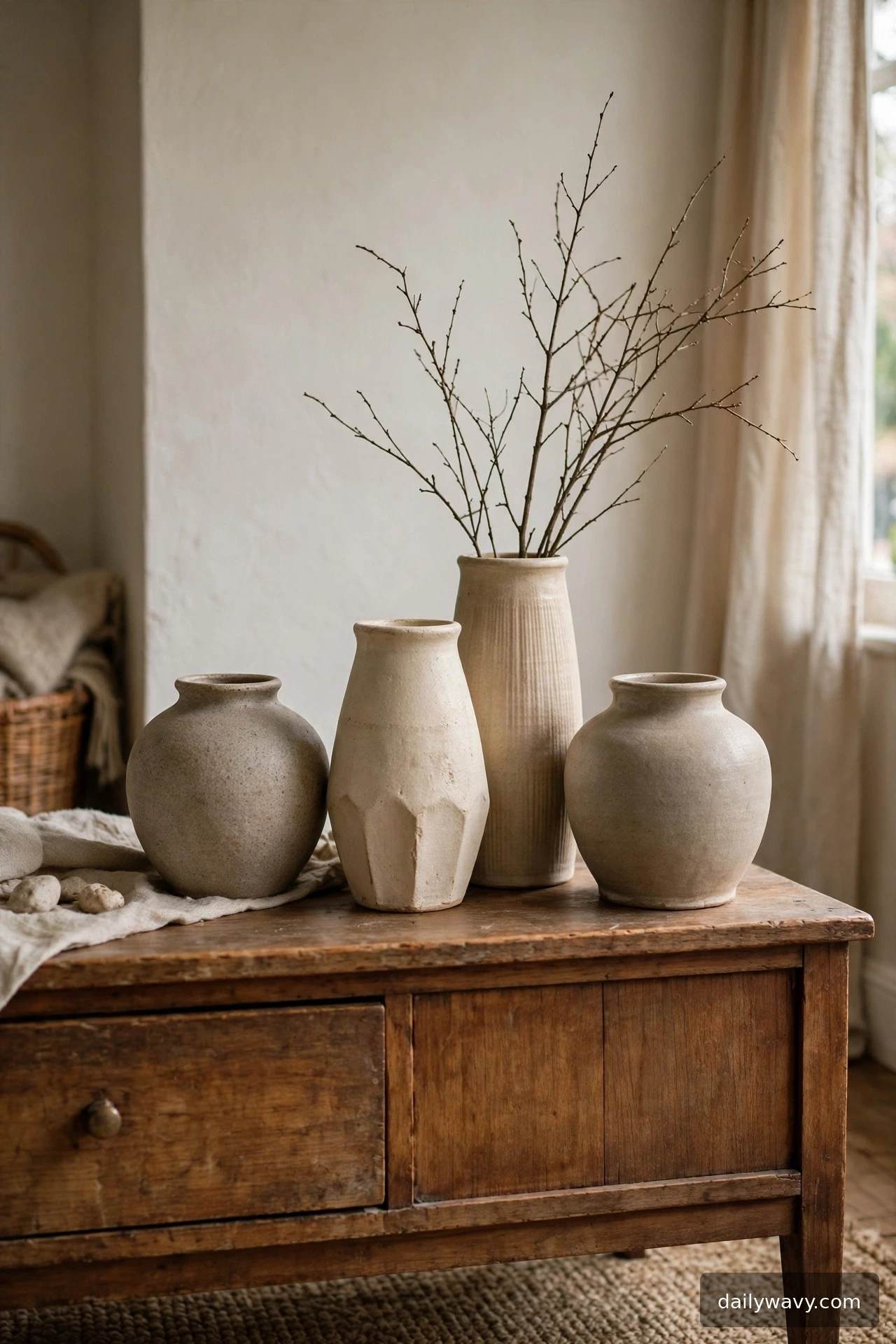
Three or four vases in the same color family will always read calmer than one bright piece alone. Pick a tone your room already has, maybe cream, warm gray or soft sage, and gather vases that sit inside it even if their shapes are different. The repetition of color is what holds the group together, and the different silhouettes keep it from looking like a matching set.
Start by measuring the surface you plan to use. A sideboard or console 30 to 48 inches wide works well, since the group needs to occupy roughly two thirds of the length. Gather three to five vases between 6 and 14 inches tall, plus one stem element like dried grasses or bare branches if you want height. Place the tallest piece slightly off center, step the others down in height around it, and leave two to three inches between each piece so the eye reads them as separate objects. The effort is minimal, mostly an afternoon of thrifting and a quick rearrangement. A lower-cost alternative is to spray secondhand vases in mismatched colors with one can of matte ceramic-look paint in the same tone, which usually costs less than buying all new matching pieces.
2. A single focal object with negative space

One great vase deserves room to breathe. This idea suits a piece with a strong shape or an interesting glaze, the kind of find that looks good from across the room. Set it on a clear surface with nothing crowding it, and the empty space becomes part of the display. It is the styling equivalent of letting one person talk at a time.
Measure the surface first. A small round side table 18 to 24 inches across, or a wall shelf with at least 12 inches of clear depth, gives one object enough stage. The materials are simple: one statement vase 10 to 18 inches tall, a clean cloth to keep it dust free, and optionally a single branch or a few long stems for height. Place the vase a few inches left or right of center rather than dead middle, which looks more natural on most surfaces. The effort is close to zero once you own the vase. If your finds are all small, the budget move is to place one small vase on a stack of two or three neutral books, which raises it to focal height for free.
3. A low tray-based arrangement

A tray turns a scattered group into one finished composition, and it protects the surface underneath. This is the best idea for coffee tables and dining tables, where you need to be able to move the whole display in one motion when the table is in use.
Measure the table area you can spare. On a coffee table, keep the tray to about one third of the tabletop, often 14 to 20 inches across. Gather a low tray with a rim, three small vases or bud vases 4 to 8 inches tall, and a few dried stems or a small bowl filler. Place the tallest item toward the back of the tray and the lowest toward the front so the arrangement reads from every seat. The effort is an hour of styling once you have the pieces. The lower-cost route is to use a thrifted baking sheet, a wooden crate lid or a large charger plate as the tray base instead of buying one.
4. A vertical display in a narrow nook

That slim gap between a bookcase and the wall, or the end of a hallway that holds nothing, is a perfect home for tall vases. A vertical line of vases draws the eye upward and makes a cramped spot feel finished instead of forgotten.
Measure the nook width and the ceiling height. Most of these gaps are 12 to 24 inches wide, so choose two or three vases with narrow footprints and total heights that climb in steps, for example 18, 24 and 30 inches. You will need the vases plus, for stability, a small stack of books or a low wooden box to vary the base heights. Place the tallest piece at the back and let each shorter one step forward, keeping everything at least a few inches from walkways. The effort is light, mainly positioning and stepping back to check the silhouette. The budget version is to use one tall thrifted vase plus two smaller ones you already own, and skip the riser by setting them directly on the floor.
5. A balanced pair with different heights
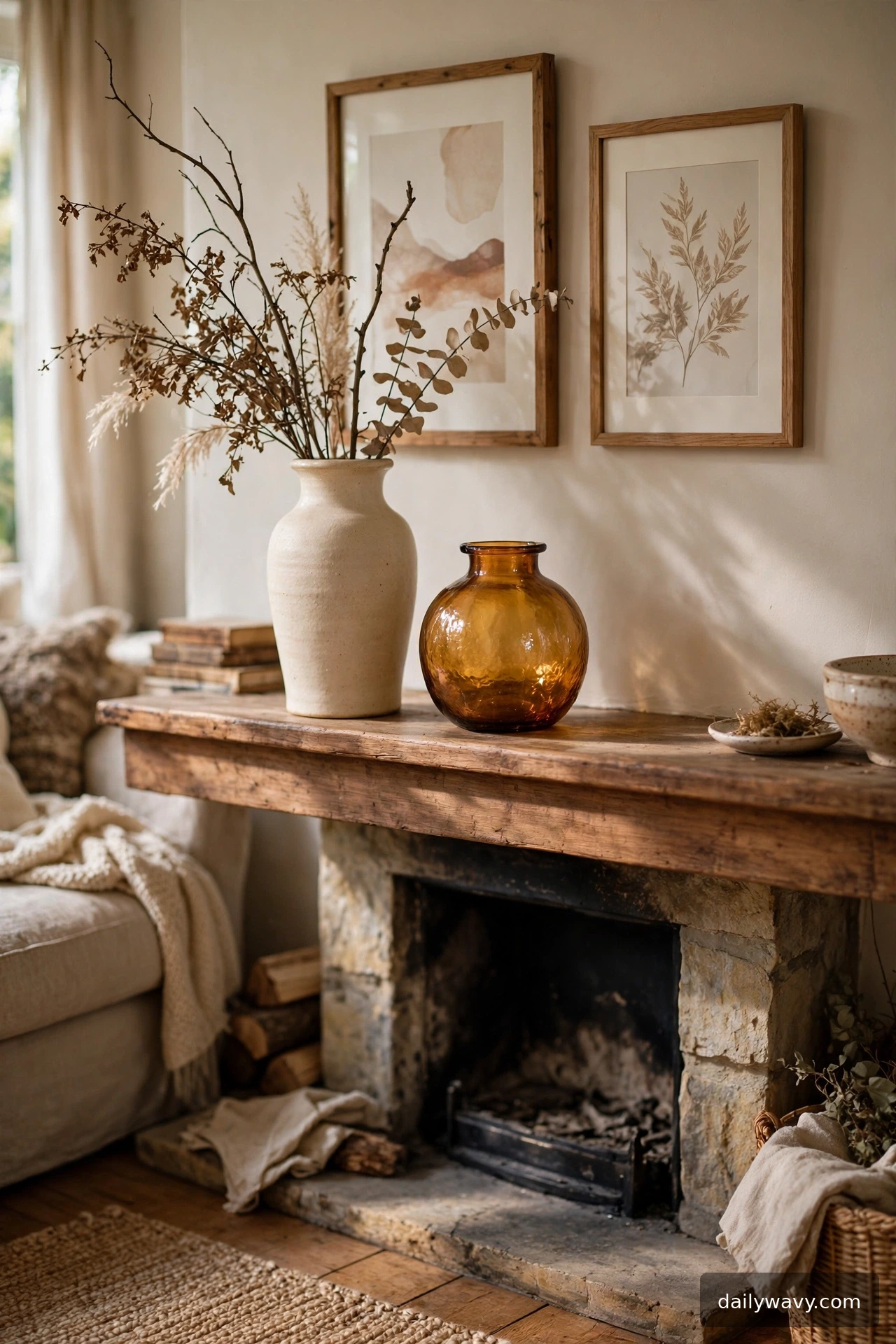
Two is a tricky number in styling, but it works when the heights are clearly different. A tall vase next to a short one creates a simple visual rhythm that suits mantels, entry tables and bedroom dressers. When the heights differ by at least six inches, the pair reads as intentional instead of accidental.
Measure the surface length and pick a pair with a clear height gap, such as 16 inches beside 9 inches. You need the two vases and, optionally, stems for the taller one so its height feels earned. Place them two to four inches apart, taller on the outer edge of the surface and shorter toward the middle, which keeps the arrangement from blocking sightlines in rooms like narrow living rooms where every inch counts. The effort is minimal. A lower-cost alternative is to cut the stems at different lengths in two identical thrifted vases, letting the arrangement create the height difference instead of the vessels.
6. A small tabletop cluster
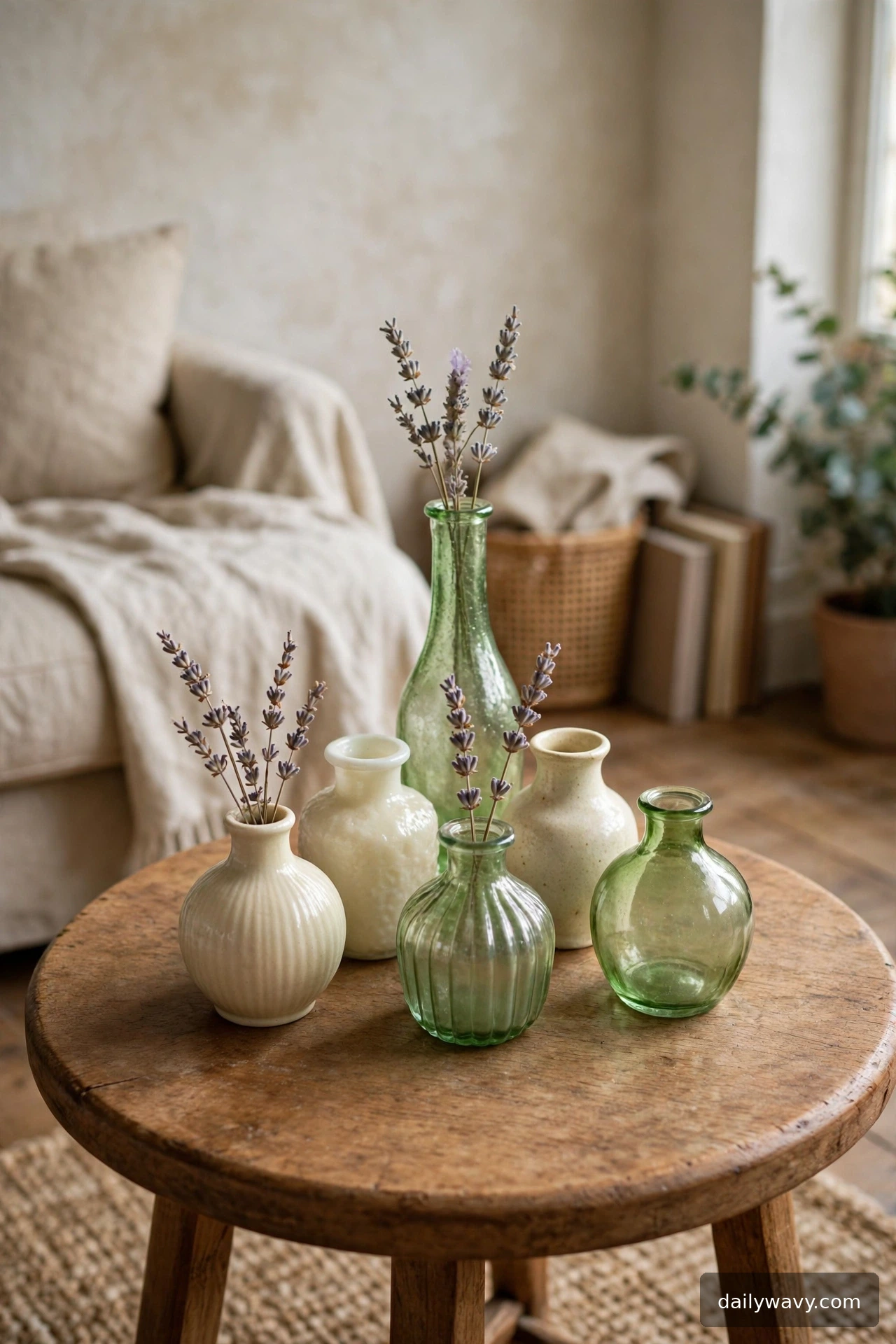
Bud vases are the most common thrift find, and they shine in clusters. Five to seven small vases grouped tightly on a side table look like one abundant arrangement, and you can scatter single stems or leave some empty. This idea works beautifully on nightstands and entry tables, the small surfaces most rooms already have.
Measure the tabletop and aim for a cluster footprint about 8 to 12 inches across. Gather five to seven bud vases 3 to 6 inches tall, ideally in mixed shapes but a related palette, plus a handful of short stems like dried lavender or eucalyptus sprigs. Place them in a loose triangle or oval with the tallest pieces in the middle, and tuck two or three inches between the tallest and the shortest so the group has a soft peak. The effort is an afternoon of collecting and ten minutes of arranging. The budget move is to buy one bag of mixed bud vases from a thrift store’s glassware shelf, which often costs less than a single new vase and fills the whole cluster.
7. A restrained shelf vignette
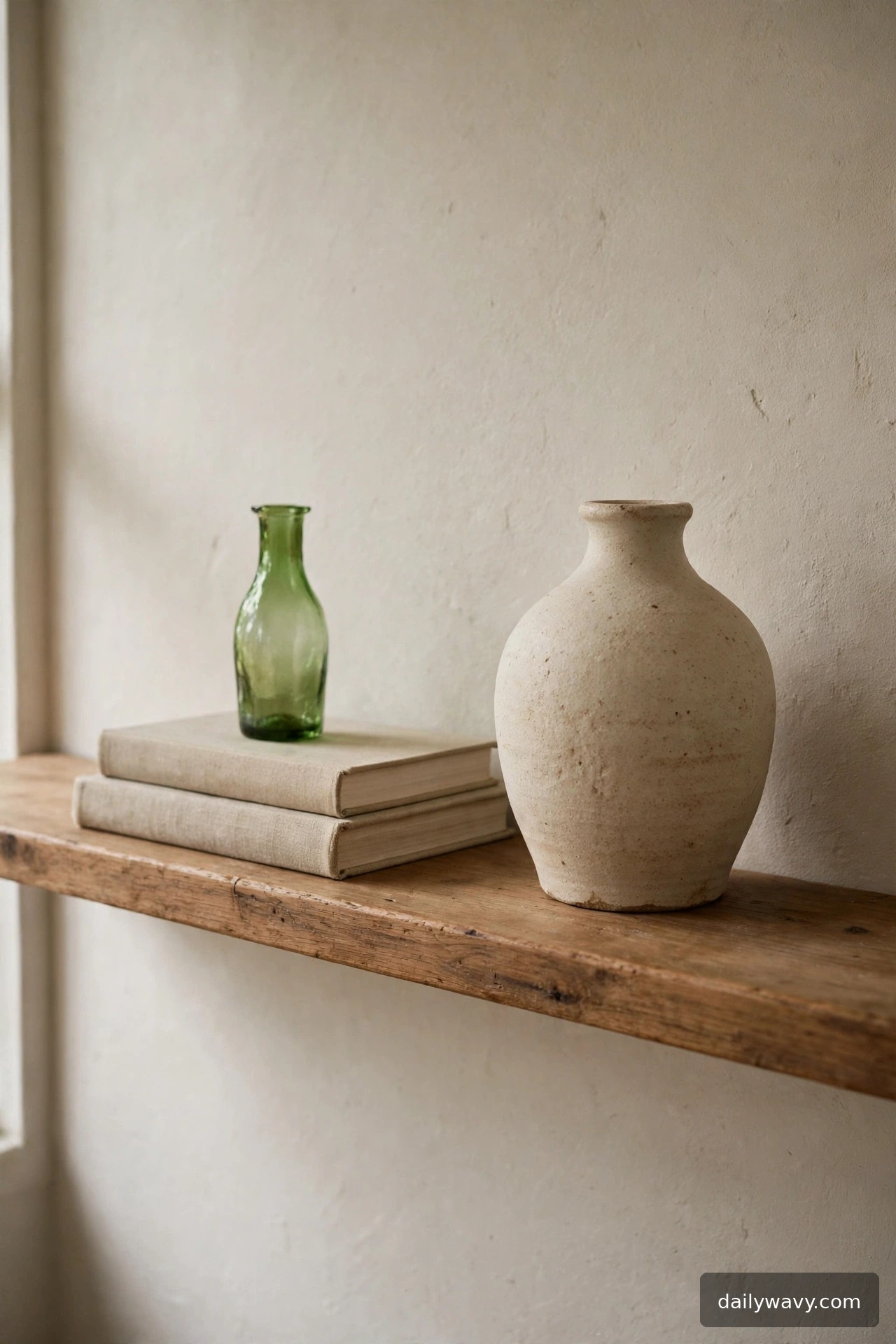
Open shelves look best when each shelf holds one small story. Two vases plus one supporting item, like a small stack of books or a framed photo, make a vignette that reads as styled without looking staged. The key word is restrained: leave clear shelf space on both sides so the group has air.
Measure your shelf depth and height before choosing pieces. Standard shelves are 8 to 12 inches deep, so vases with bases under 5 inches across sit safely. Gather two vases 6 to 10 inches tall in complementary shapes, one horizontal element like a small stack of two books, and make sure the total composition stays within half the shelf’s width. Place the books flat with one vase on top and the second beside them, keeping everything at least an inch from the shelf edge. The effort is low, and the arrangement survives dusting if you keep the count small. A lower-cost alternative is to use books you already own as the horizontal element, so the only new pieces are the two thrifted vases. If you are styling an entry area, this same restrained formula works on the console ideas in our small entryway decor guide.
8. A neutral background highlighting texture
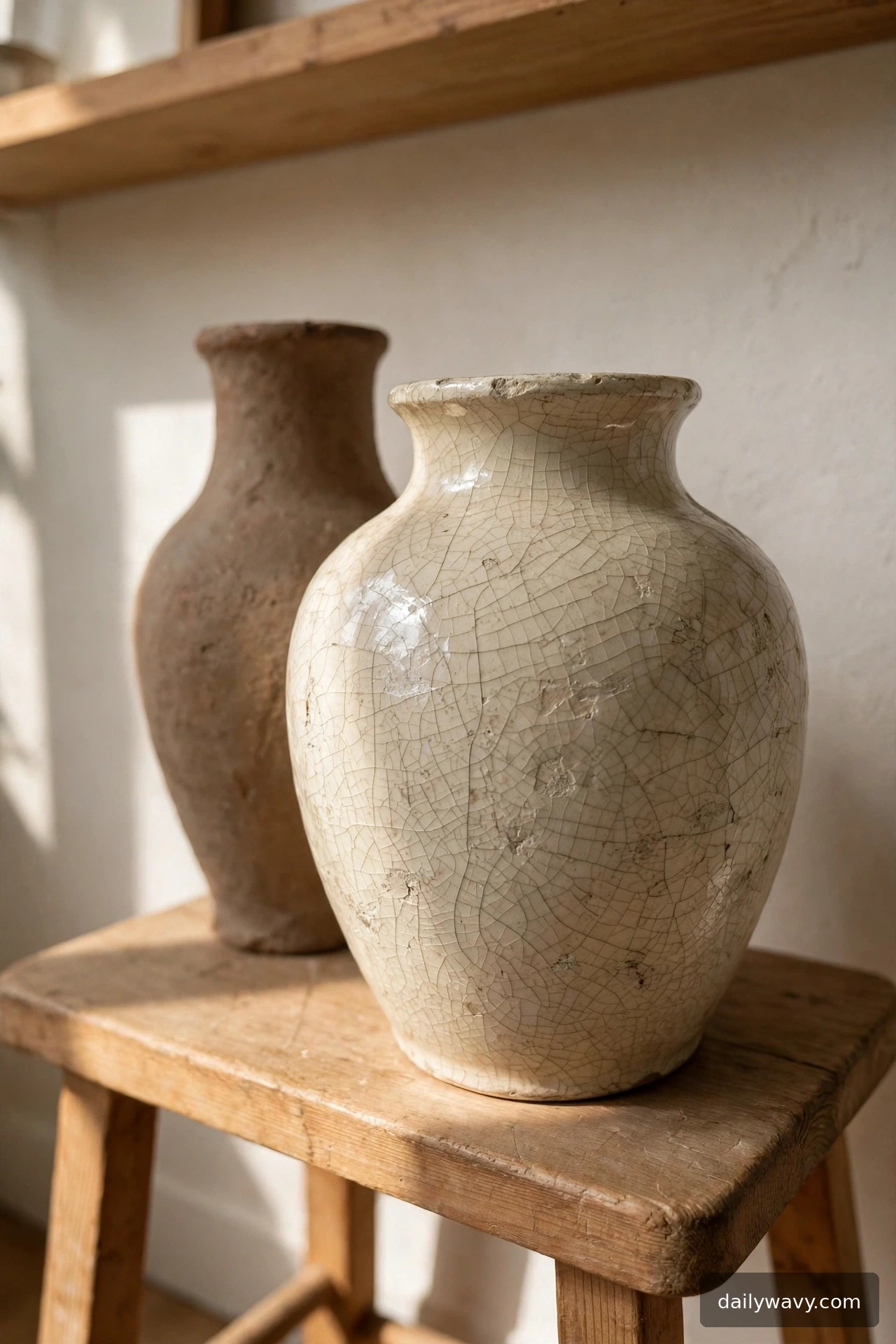
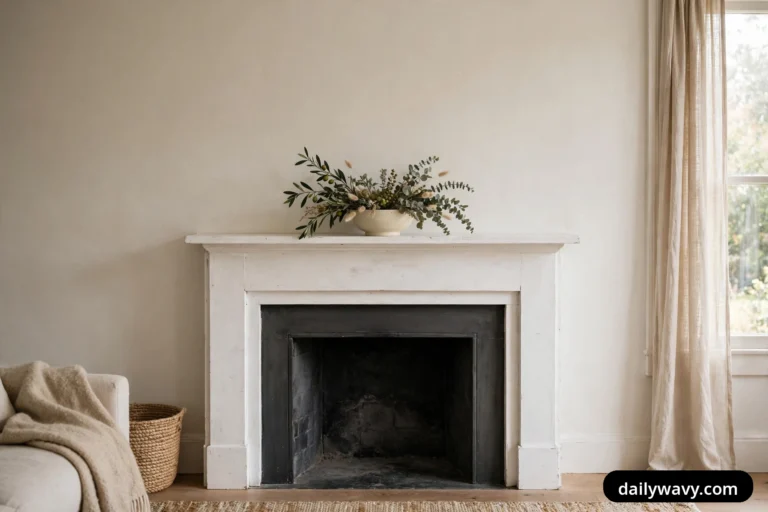
Thrifted vases often have the most interesting surfaces: crackled glazes, matte stoneware, pitted studio pottery. A plain background lets that texture do the talking. Place a textured vase against a warm white or soft beige wall or linen curtain, and the surface detail becomes the whole point of the display.
Measure nothing but your wall space; this idea needs a clear stretch of wall about 24 inches wide with good daylight. Gather one or two vases with visible texture, such as crackle glaze or raw clay, and set them on a simple surface like a floating shelf or a plain wooden stool. Place the vases where side light grazes across them, which reveals texture far better than flat front light. The effort is only finding the right spot. The budget version is to move an existing textured vase you own into a spot with better light instead of buying anything new.
9. A mixed old-and-new grouping
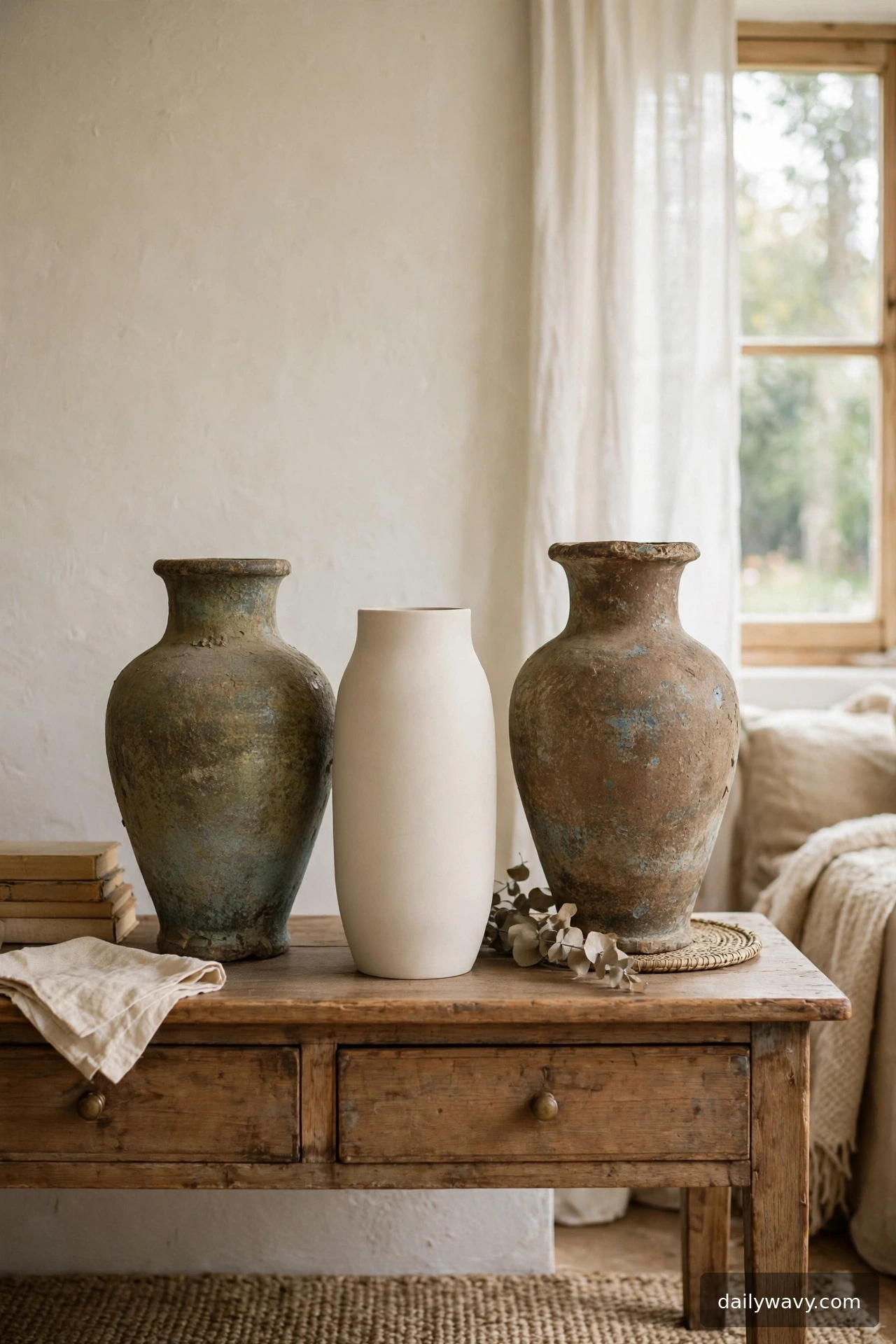
A thrifted vase next to one new piece looks more current than either looks alone. The mix says the room is collected over time, not decorated in one shopping trip. Choose a new vase in a simple shape and let the older thrifted pieces bring the character.
Measure the surface and plan for three to five pieces total. You need at least one thrifted vase with age or patina, one new vase in a clean contemporary shape, and a shared color or material that ties them together, like matching cream tones or matching stoneware. Place the new piece in the middle of the group so the older finds frame it, and keep heights varied by three to six inches. The effort is one thrift trip plus whatever new piece you choose. The lower-cost alternative is to repaint a thrifted vase in a modern matte finish, so the “new” piece is really a $2 makeover. (Vintage books and vinyl records make equally good collected display companions, but they are separate projects with their own styling rules.)
10. A compact corner display
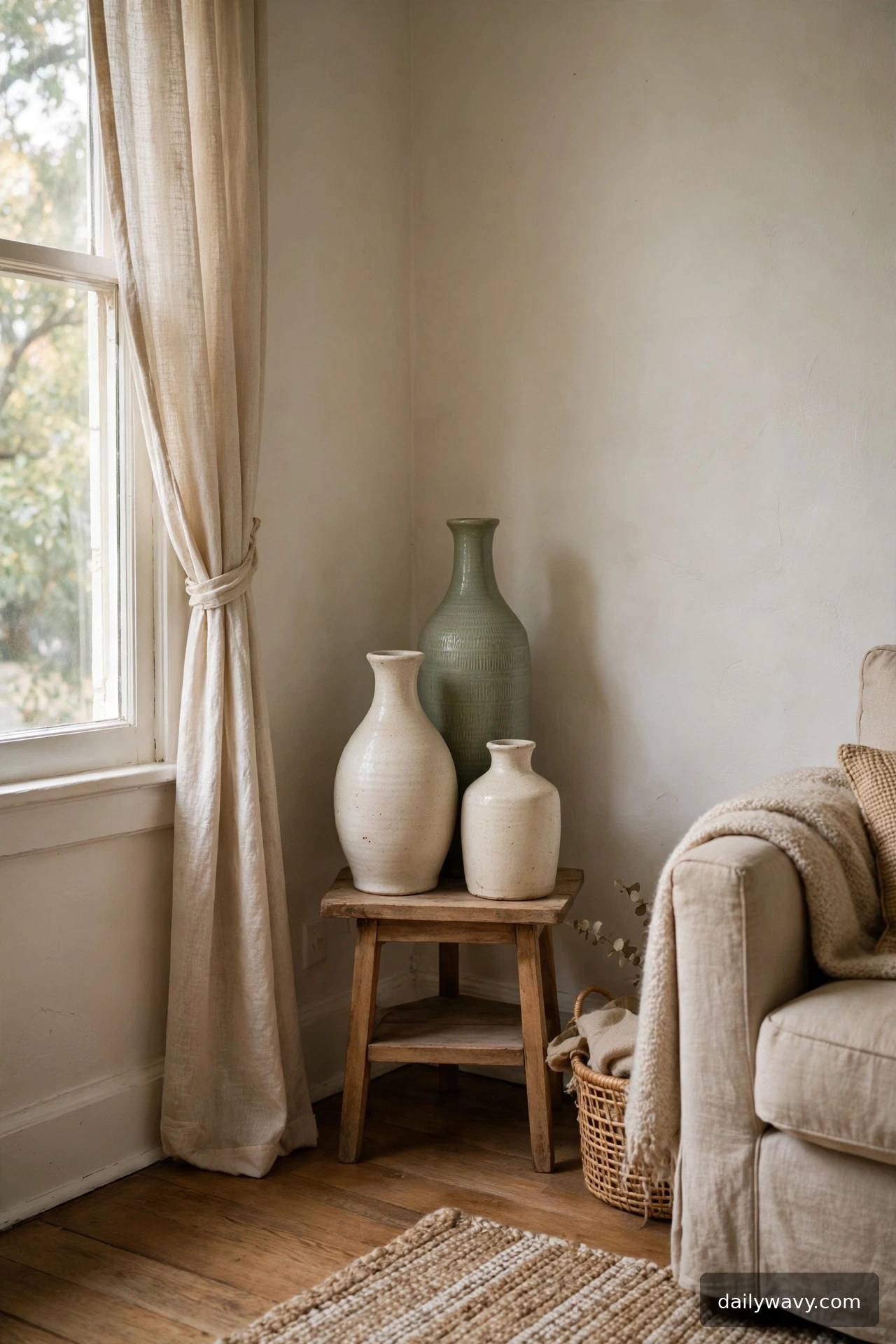
Corners collect dust and dead space. A small corner display of vases gives that spot a purpose without blocking traffic. A plant stand, a small stool or a wall-mounted corner shelf all work as the base, and the vertical shape of vases suits the upright geometry of a corner.
Measure the corner footprint, which is often just 12 to 18 inches on each wall. Gather two to four vases of varying heights plus a stand or stool 12 to 20 inches tall to lift them into view. Place the tallest vase at the very back of the corner and step the rest forward, keeping every base fully on the stand. The effort is modest, mostly finding the right riser. The budget move is to use an upside-down thrifted crate or a sturdy basket as the riser instead of buying a plant stand. Corner displays also work well in bedrooms, where a styled corner can anchor the ideas in our small bedroom with a queen bed guide.
11. A repeated shape with varied finishes

When the shape repeats and the finish changes, the group looks designed. Five round bottle vases in glossy white, matte black, crackled cream and speckled gray read as a collection even though each piece was bought separately. The repeated silhouette is the quiet structure; the varied finishes keep it interesting.
Measure your surface and collect five to seven vases of the same basic shape, round, cylindrical or bud, between 5 and 10 inches tall. The shared shape matters more than matching color. Place them in a straight or gently curved line across a console or mantel, spacing each two to three inches apart so the finishes stay readable. The effort is mostly the hunt, since thrift stores are full of common shapes. The lower-cost alternative is to paint four plain thrifted vases of the same shape with different finishes, chalk, matte, gloss and metallic, from small sample pots.
12. A wood-and-ceramic pairing

Ceramic and wood are a natural pair because one is cool and smooth and the other is warm and grainy. Set a thrifted ceramic vase beside a wooden bowl, a small carved box or a turned candlestick, and the contrast makes both materials look better. This is a good idea for mantels and dining sideboards where you want warmth.
Measure the surface and plan for two to three objects total. You need one ceramic vase 8 to 14 inches tall and one wooden piece with visible grain, plus an optional third small item like a stone or a candle. Place the ceramic piece slightly forward of the wood so the two materials layer instead of lining up, and keep the wood item to the side that catches the most light so its grain shows. The effort is light. The budget version is to pair your thrifted vase with a wooden kitchen item you already own, like a small cutting board stood on its edge or a turned salt cellar.
13. A dark backdrop for light objects
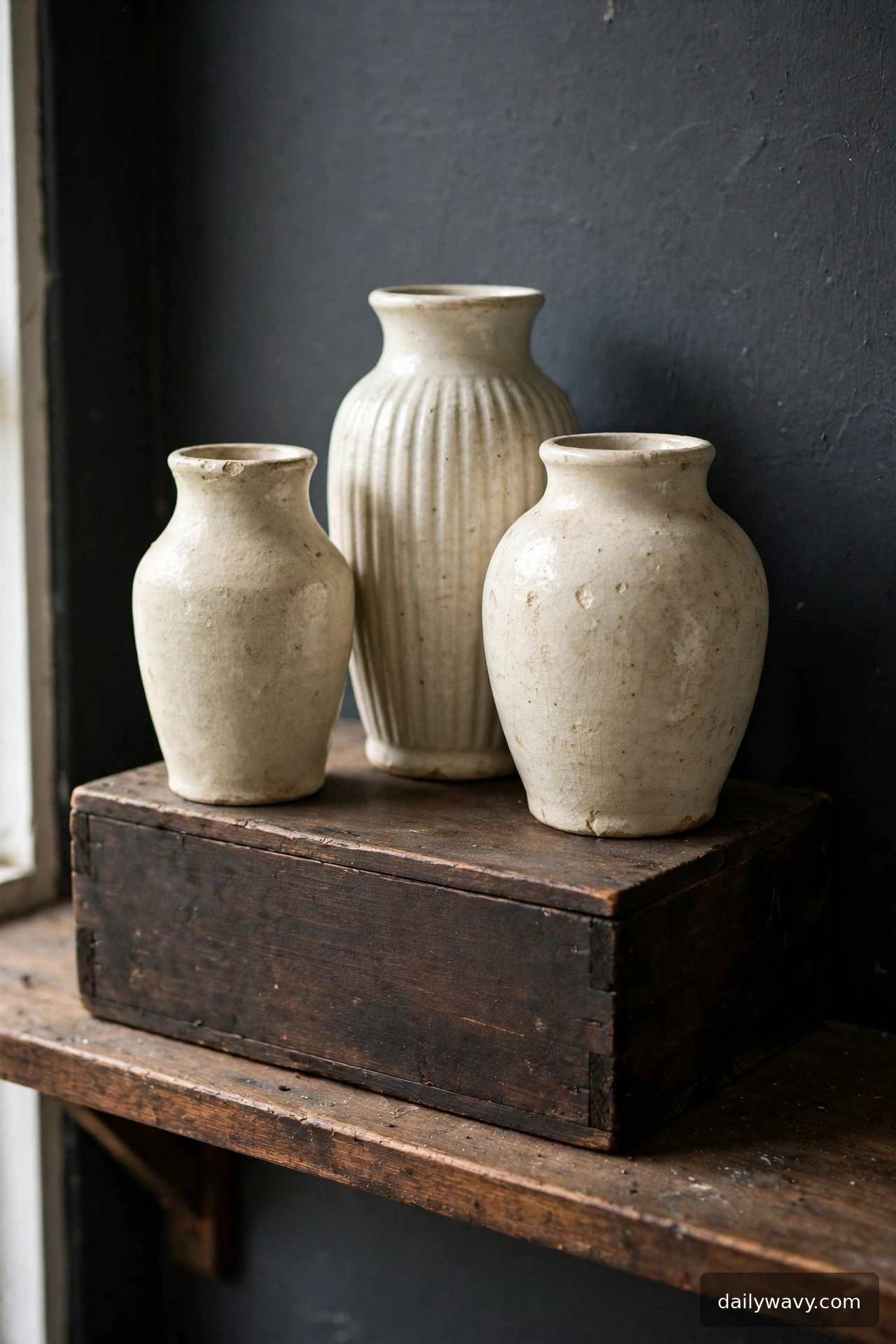
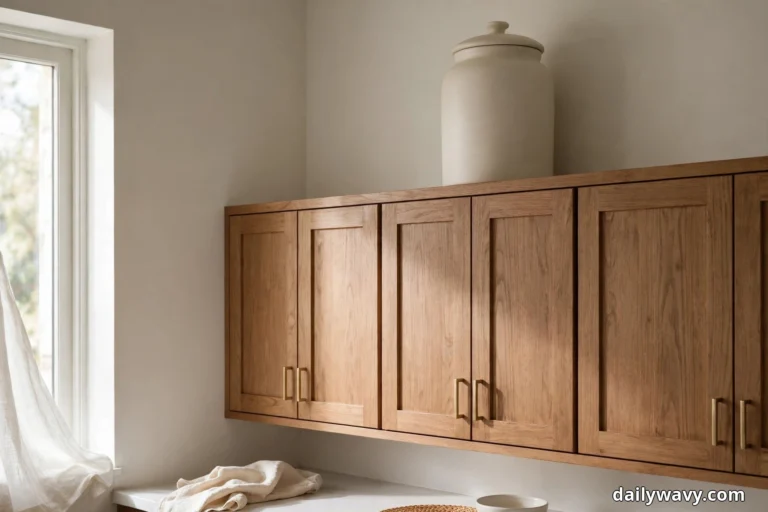
Light vases disappear against light walls. Put them against something dark and they glow. A charcoal painted wall, a dark bookshelf back panel or even a black tray behind the vases creates the contrast that makes cream, white and pale glass read clearly from across the room.
Measure the backdrop area and plan for the vases to sit fully in front of the dark field. Gather three to five light-toned vases, white, cream, pale sage or clear glass, and a dark surface like a charcoal tray, a stained-wood box or a painted shelf section. Place the dark base first, then arrange the vases on or in front of it, keeping the lightest piece near the center for the strongest focal point. The effort is moderate only if you paint something; a dark tray does the same job with no painting. The lower-cost alternative is a sheet of dark poster board or a black linen runner behind the vases, which gives the contrast for almost nothing.
14. A light backdrop for dark objects

The mirror image of the last idea works just as well. Dark vases, deep green, cobalt, black or bronze glass, need a light backdrop to show their shapes. Against a cream wall or a pale linen runner, a dark vase reads as sculpture instead of a shadow.
Measure your light backdrop, aiming for a clear light field at least twice as wide as the vase group. Gather two to four dark-toned vases 8 to 16 inches tall and set them on a light surface like a whitewashed tray, a pale runner or a cream tablecloth. Place the darkest piece slightly forward so its silhouette stays crisp against the light, and keep the group near a window so the glass and glaze catch highlights. The effort is low. The budget version is to lay a light thrifted bedsheet or tablecloth as the backdrop on an existing shelf, which costs nothing if you already have one.
Frequently asked questions
How do I clean thrifted vases before displaying them?
Wash the inside with warm water and a little dish soap, using a bottle brush for narrow necks. For cloudy mineral buildup, fill the vase with equal parts white vinegar and warm water and let it soak for a few hours, then rinse well. Dry it upside down on a towel so no moisture sits inside before you style it.
How many vases make a good grouping?
Three is the easiest number to style, and five works for larger surfaces. Odd numbers generally look more natural than even ones because the eye settles on a center piece. If you have pairs, treat each pair as one unit and add a third, different piece to complete the group.
How do I keep dust off displayed vases?
A weekly pass with a soft dry cloth or a small feather duster handles most dust. Vases with narrow openings collect less dust inside. If dust is a constant battle in your home, favor the tray and shelf ideas, since grouped pieces on a tray can be lifted and wiped in one motion.
Can I put thrifted vases in direct sunlight?
Most ceramic and glass vases handle sunlight fine, but painted finishes and some decals can fade over time. Dried arrangements hold their color better than fresh flowers in sunny spots, so save the sunniest shelves for dried stems and keep painted thrift finds a little farther from the glass.
What should I do with chipped or cracked vases?
Turn the damage toward the wall and style around it; most chips vanish from view that way. Never put water in a cracked vase, since water can seep through and damage the surface underneath, and it can widen the crack. Cracked pieces are best used for dried stems or empty display.
Where is the best room to start with vase displays?
Start where you already look at empty surfaces: the living room console, the entry table or the dining sideboard. These are the spots guests see, so a styled group there pays off fastest. Bedrooms and shelves can follow once you have the basic groupings down.
A thrifted vase only needs the right company. Pick one idea from this guide that fits a surface you already have, gather three to five pieces in a related palette, and give them some breathing room. Small groupings beat big ones when you are starting out, and you can always add pieces as your collection grows. For more ways to style the surfaces around your vases, browse our Home and Decor ideas.