12 Neo Deco Home Decor Ideas for Small Changes
12 Neo Deco Home Decor Ideas with Small, Practical Changes Neo deco sounds like a museum exhibit, but in a…
12 Neo Deco Home Decor Ideas with Small, Practical Changes
Neo deco sounds like a museum exhibit, but in a real home it comes down to three things: geometric shapes, curved details, and a restrained touch of brass or chrome. Think of it as Art Deco’s calm grandchild: well-chosen shapes and one or two metallic moments that make a room feel considered. This guide keeps every idea small and practical. Each section names the actual trend cue, what to measure, what materials to look for, where to place it, how much effort it takes, and a realistic budget alternative. If your taste runs warmer and more global, our small entryway decor ideas use some of the same welcoming shapes in real spaces. Pick one idea that fits your room, or jump through the list below.
Jump to an idea
- An Accent Chair Beside A Compact Side Table
- A Patterned Cushion On A Plain Seat
- A Bold But Useful Table Lamp
- A Single Framed Artwork
- A Small Ceramic Vessel Grouping
- A Textured Curtain Framing A Window
- A Low Centerpiece On A Dining Table
- A Vintage Object On An Uncluttered Shelf
- An Accent Rug Under Existing Furniture
- A Sculptural Mirror Beside A Cabinet
- A Restrained Wallpaper Panel
- A Textile Draped Neatly Over A Bench
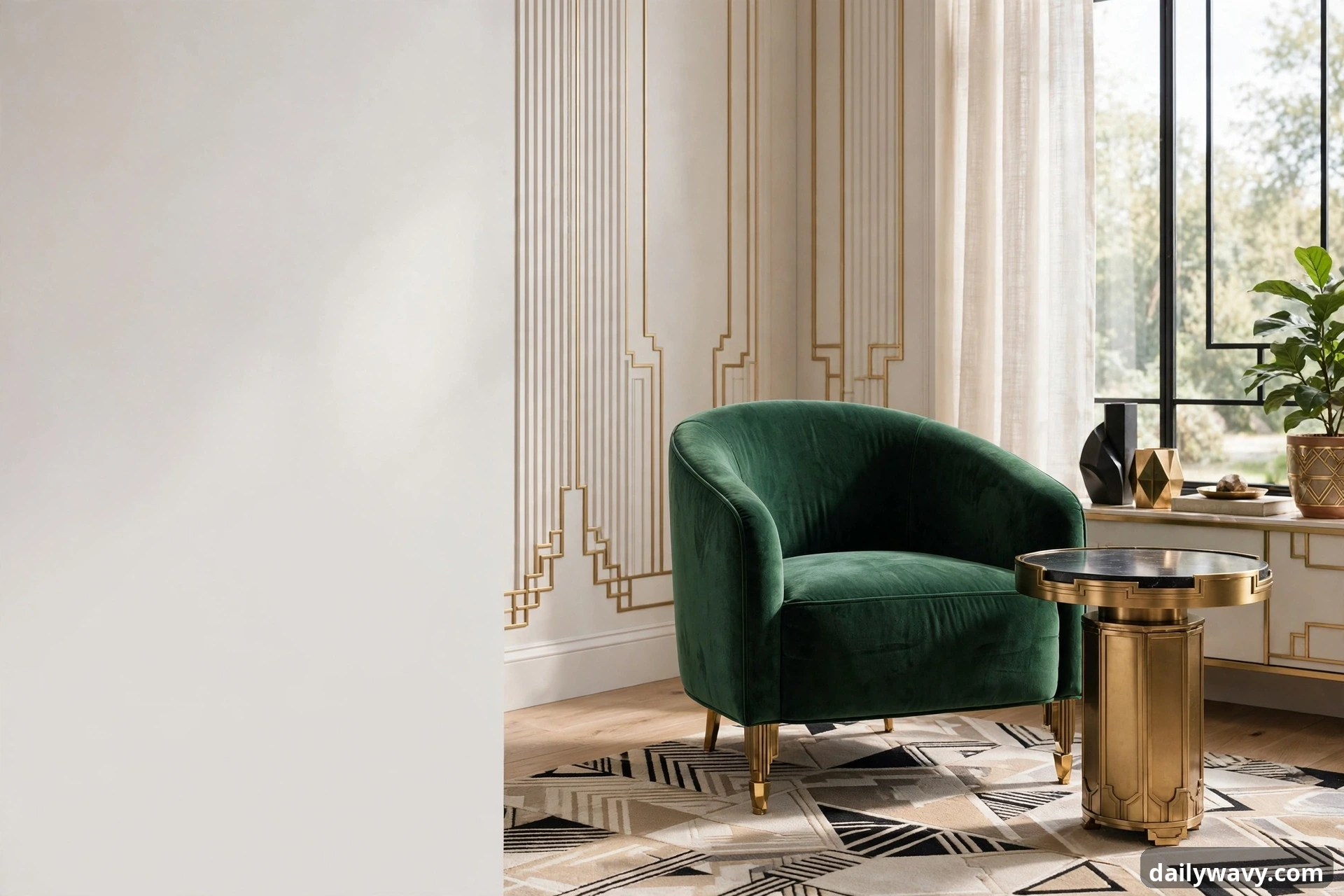
1. An Accent Chair Beside A Compact Side Table
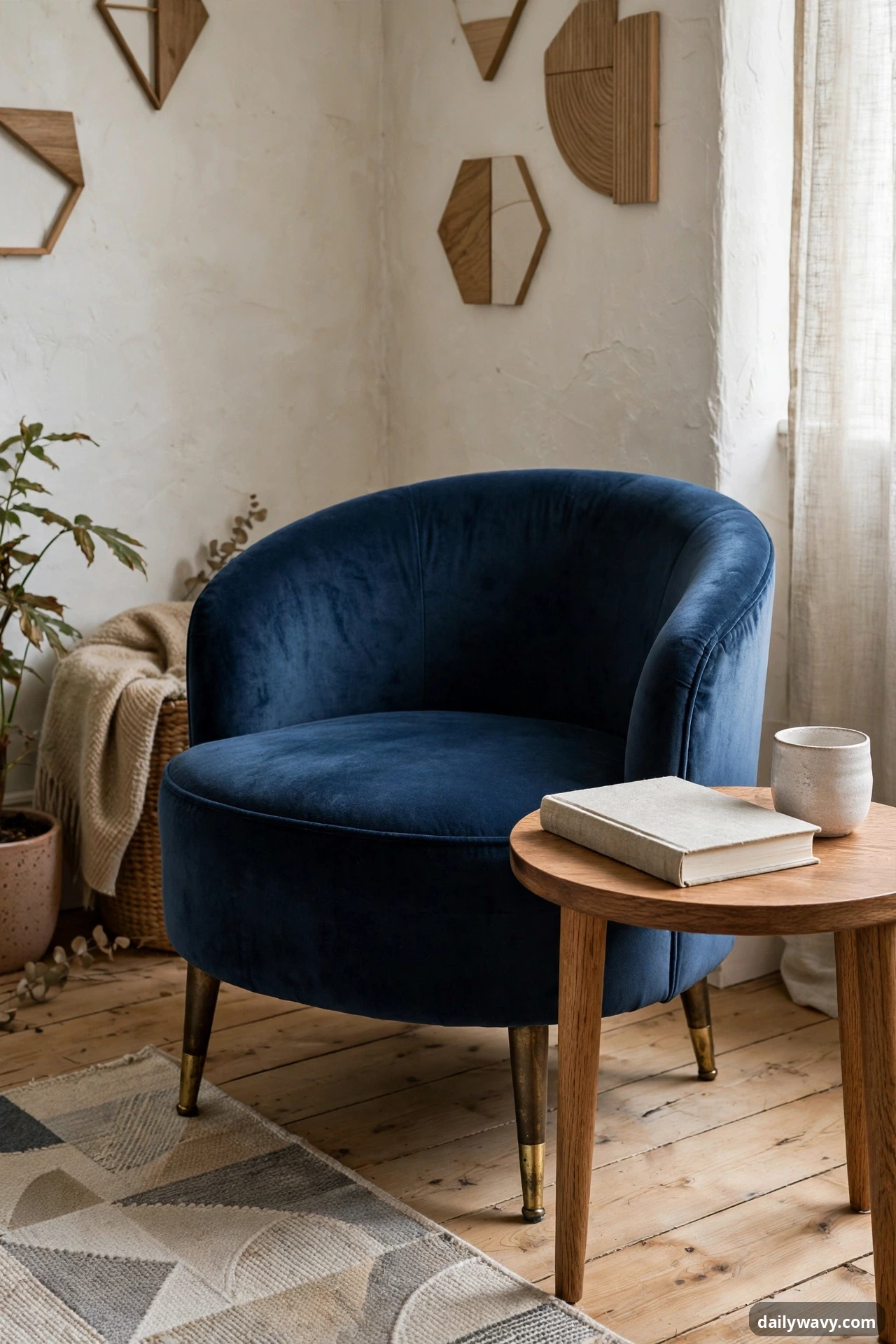
The trend cue here is the deco silhouette: a curved back or barrel shape, a geometric base, and metal showing up somewhere small, like capped legs or a brass-edged table. One chair does more work than a whole room of accessories because it changes the outline of the space. Measure first. Note the chair’s width and the floor area where it will sit, then leave 18 to 24 inches of walking room around it so the corner still breathes. Look for velvet or bouclé upholstery in a deep jewel tone or a warm neutral, with legs that end in brass or chrome tips. Place the chair at a slight angle in a living room corner or beside a window, with a compact side table (about 16 to 20 inches across) close enough to hold a book and a drink. Effort is a weekend: ordering, delivery, and an afternoon of arranging. The realistic lower-cost alternative is a slipcover in emerald or navy over an armchair you already own, plus a wood side table whose legs you spray paint brass. The geometric fan and sunburst motifs come straight from 1920s Paris poster and furniture design, so even a reproduction nods to a real craft tradition rather than a passing fad.
2. A Patterned Cushion On A Plain Seat
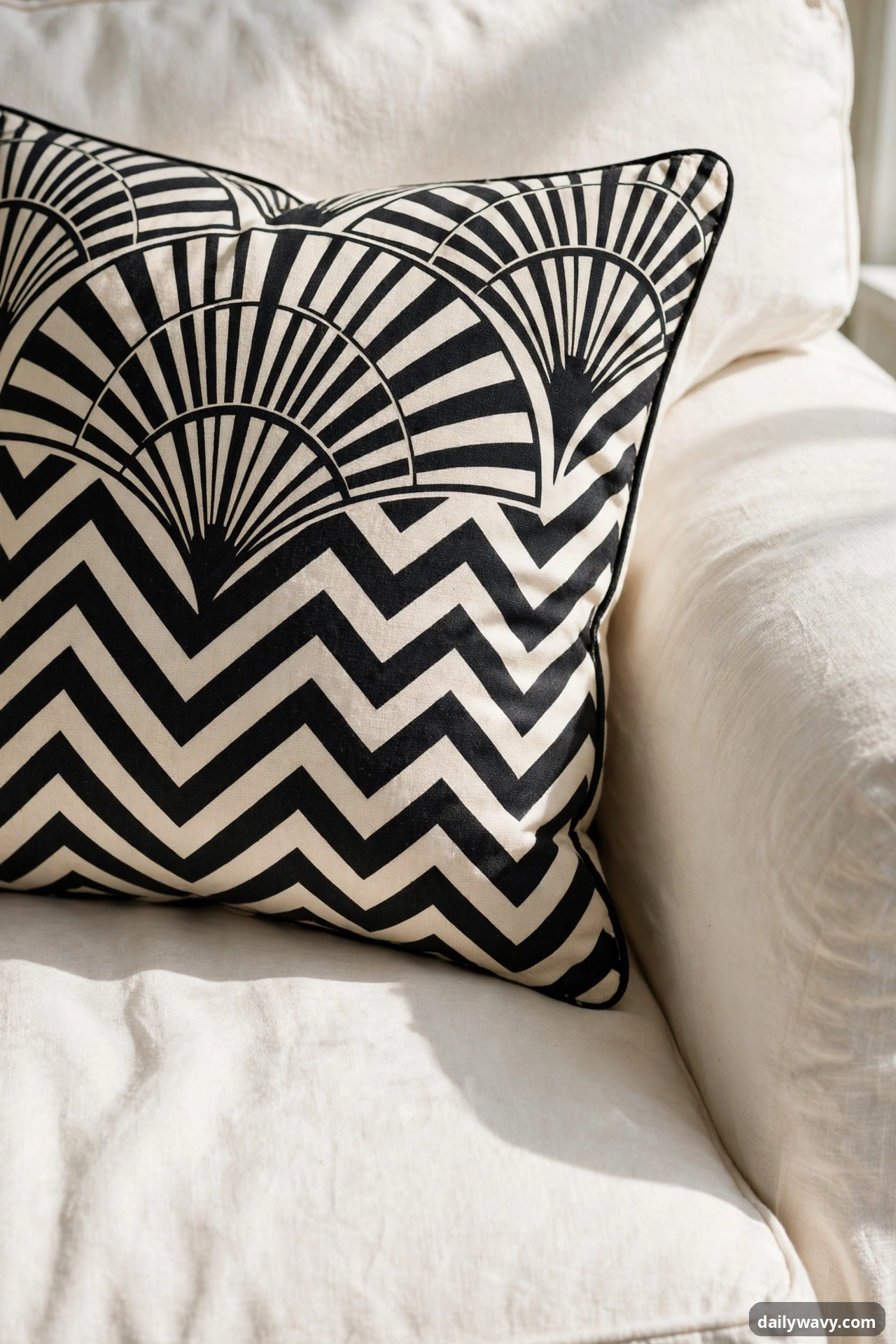
If a new chair feels like too much, start here. The trend cue is the classic deco motif: fans, chevrons, arches, and stepped borders, printed on a cushion against a plain sofa or dining chair. Pattern on a small scale reads as intentional, and it is the cheapest way to test whether you actually like the look. Measure the cushions you already own. The most common size is 18 by 18 inches, and covers are sold to match standard inserts, so write the number down before you shop. Look for cotton or linen covers with a two-color geometric print in restrained tones: black and cream, navy and brass, rust and ivory. Place one or two patterned cushions on a plain seat and leave the rest solid so the pattern has room to be noticed. Effort is an afternoon, most of it spent choosing. The lower-cost alternative is buying covers only and reusing your existing inserts, then swapping the covers seasonally. Two covers in different patterns give you a change of mood for under $40 total.
3. A Bold But Useful Table Lamp
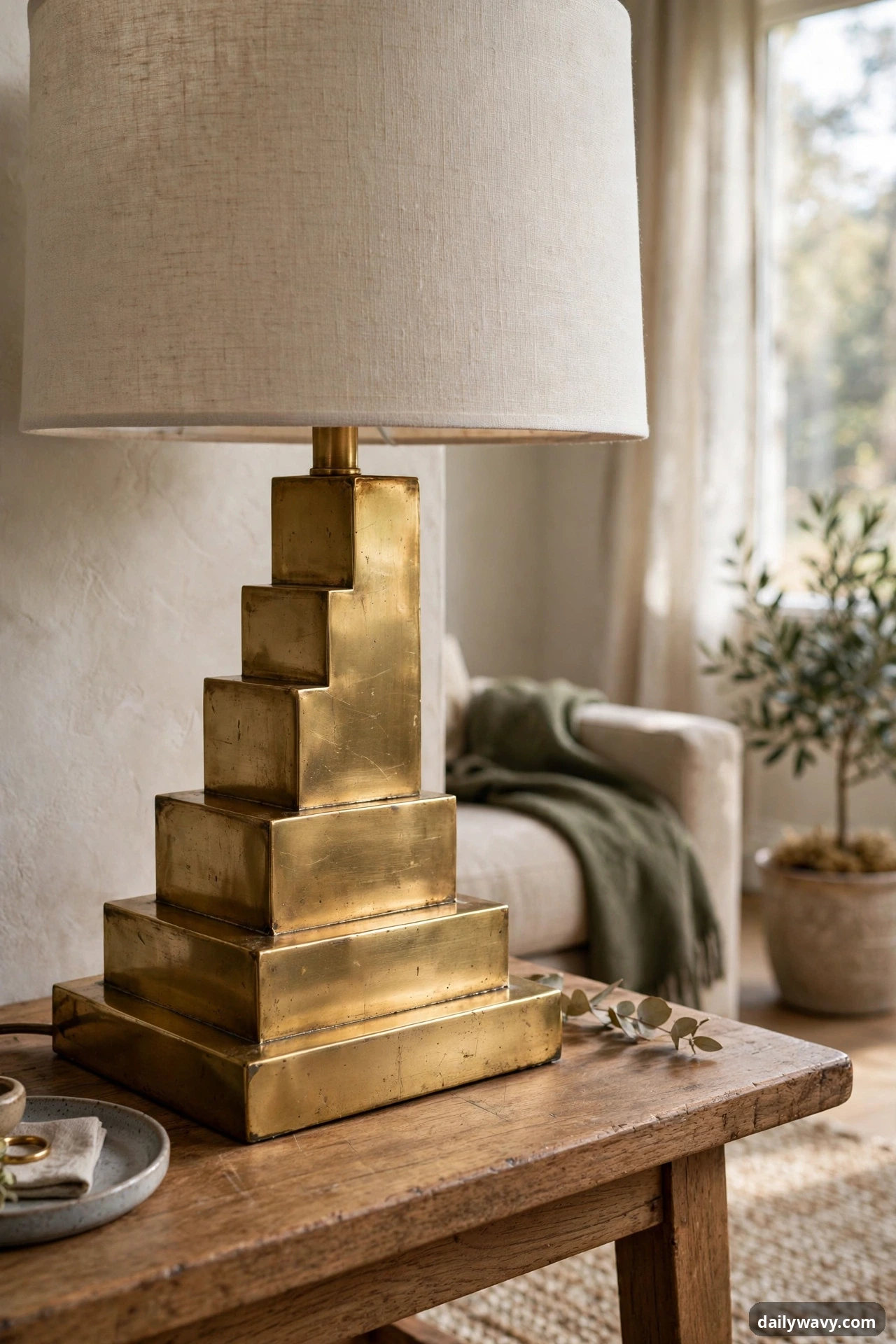
Lighting is where deco shapes earn their keep. The trend cue is a sculptural geometric base, a stepped or fluted column, with a brass or chrome finish that catches the light even when the lamp is off. But a lamp still has to work, so the shade matters as much as the base. Measure your table height first, then aim for the bottom of the shade to sit near seated eye level, roughly 38 to 44 inches from the floor for most side tables. Look for a ceramic or stone base with a simple linen drum shade; the shade keeps the look calm while the base does the talking. Place it on a side table, console, or nightstand where you actually read or work, because a beautiful lamp in a dark corner is wasted. Effort is an hour for a plug-in lamp. If you need hardwiring, call an electrician and budget a half day. The lower-cost alternative is a thrifted lamp base spray painted brass with a brand-new shade, which looks surprisingly close to the real thing. Warm white bulbs (around 2700K) keep the metal from feeling cold.
4. A Single Framed Artwork
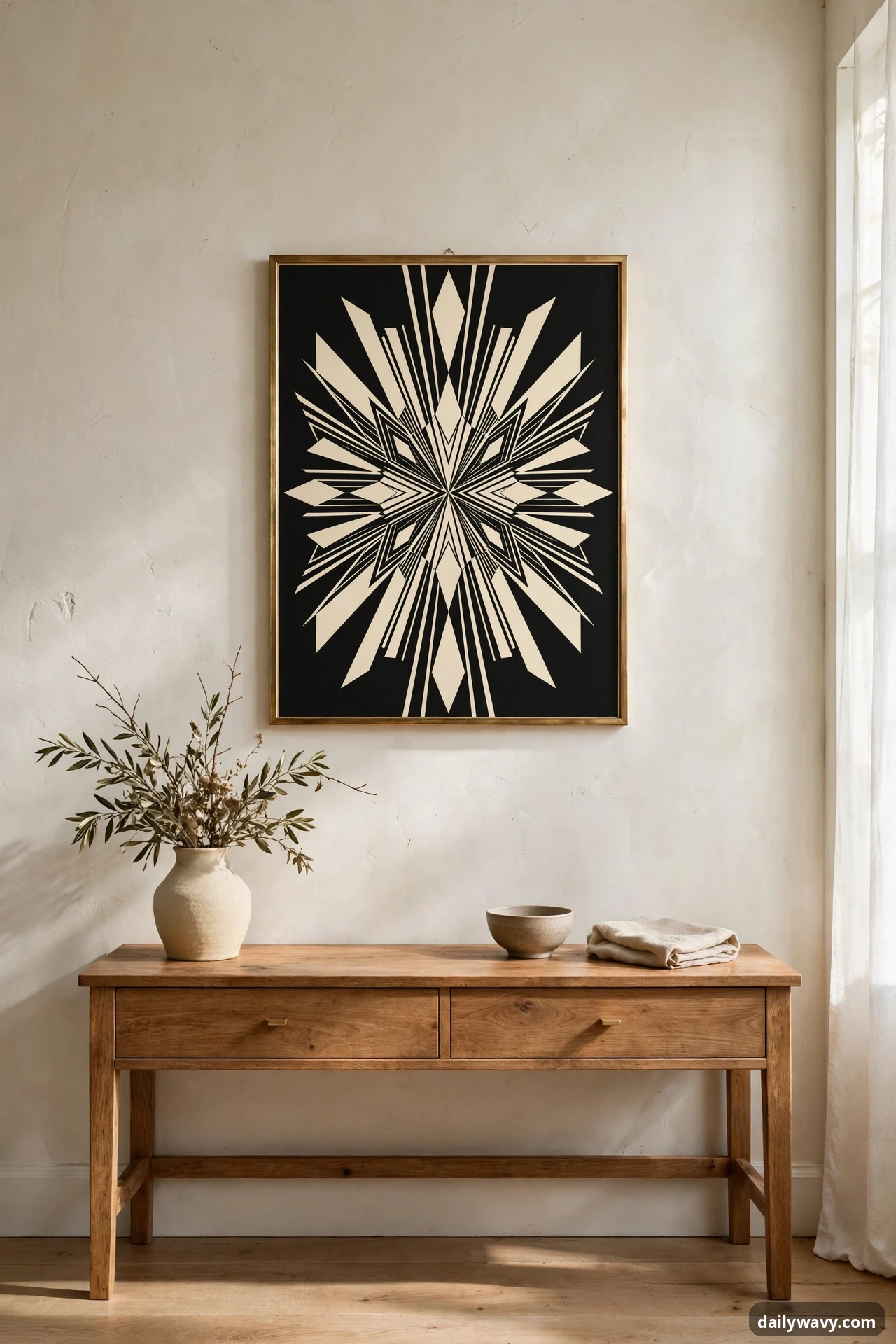
One strong piece beats a gallery wall for this look. The trend cue is deco geometry in two dimensions: fan shapes, sunbursts, arched doorways, stepped skylines. A single framed print gives a room a focal point without committing you to a whole style. Measure the wall and the furniture below it. A good rule is a frame about two-thirds the width of the sofa, console, or mantel beneath it, hung with its center around 57 inches from the floor. Look for a print with a limited palette, black and cream with one metallic or jewel tone, in a thin black or brass frame. The thin frame matters: heavy ornate frames fight the clean geometry. Place it where the room naturally rests its eyes, above the sofa or the fireplace. Effort is an afternoon including the frame shop or online order. The lower-cost alternative is a downloadable print (many cost $5 to $15) in a ready-made frame. Deco poster art has a genuine tradition behind it, from 1920s travel and theater posters to WPA-era graphics, so choose a design with that lineage and it will never look like a random print.
5. A Small Ceramic Vessel Grouping
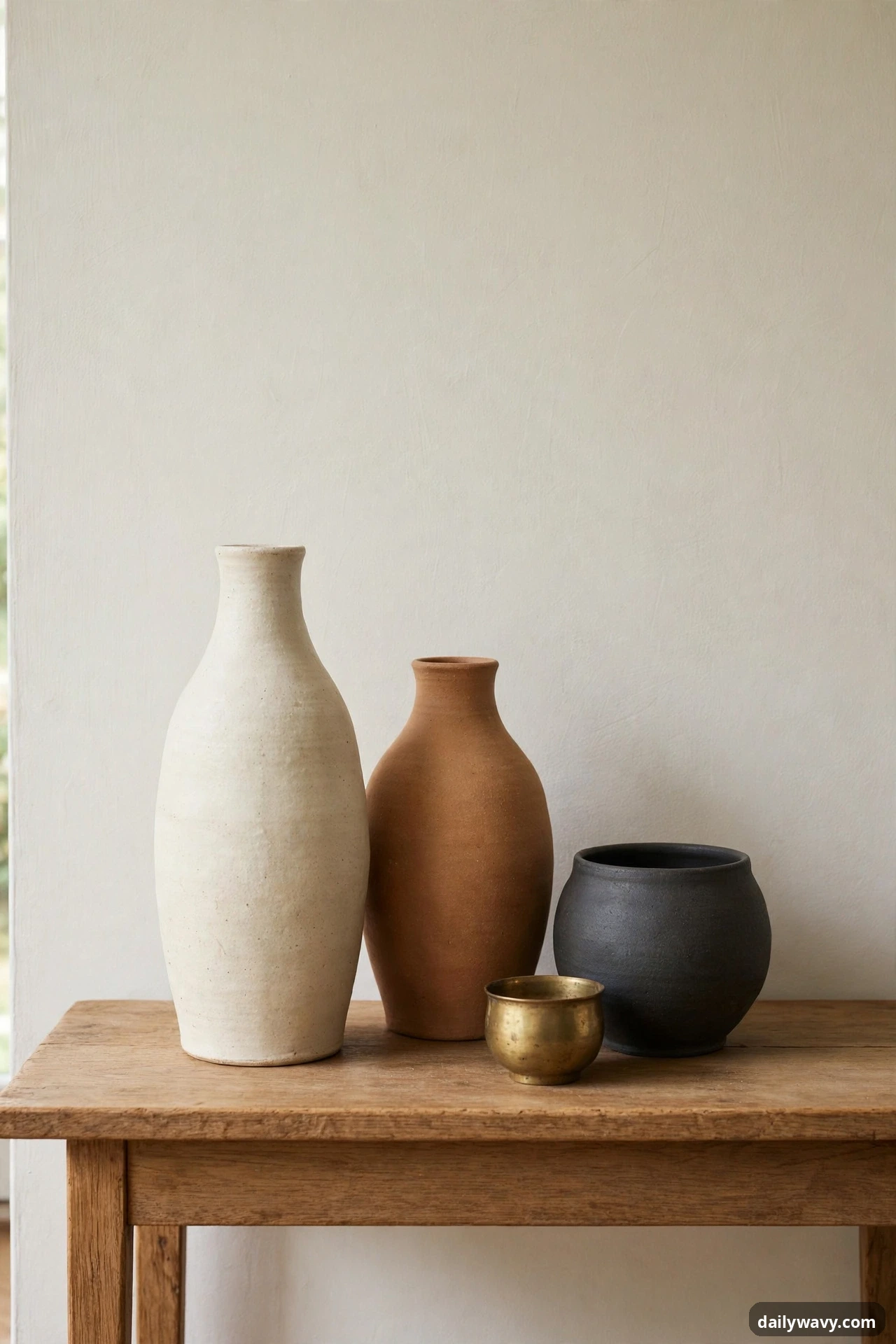
Curved, sculptural forms are the quiet half of neo deco, and ceramics carry them best. The trend cue is the vessel: rounded bodies, small necks, matte glazes in a restrained palette with one metallic piece for contrast. A grouping of three reads as styled; a single piece reads as an accident. Measure the surface first. Keep the whole group within a 12 to 18 inch zone on a console, mantel, or open shelf, and vary the heights by at least a few inches so the eye moves. Look for handmade-look ceramics in cream, clay, and charcoal with one small brass or copper vessel. Odd numbers and mixed heights are the whole trick. Place the tallest piece at the back or off-center, never dead center like a trophy. Effort is an afternoon of browsing, which is honestly the fun part. The lower-cost alternative is thrift stores and estate sales, where interesting vessels cost a few dollars each, plus one fresh stem or dried branch. Studio pottery and handmade ceramics have deep craft traditions across many cultures, so a mixed grouping can honestly reflect that without forcing a theme.
6. A Textured Curtain Framing A Window
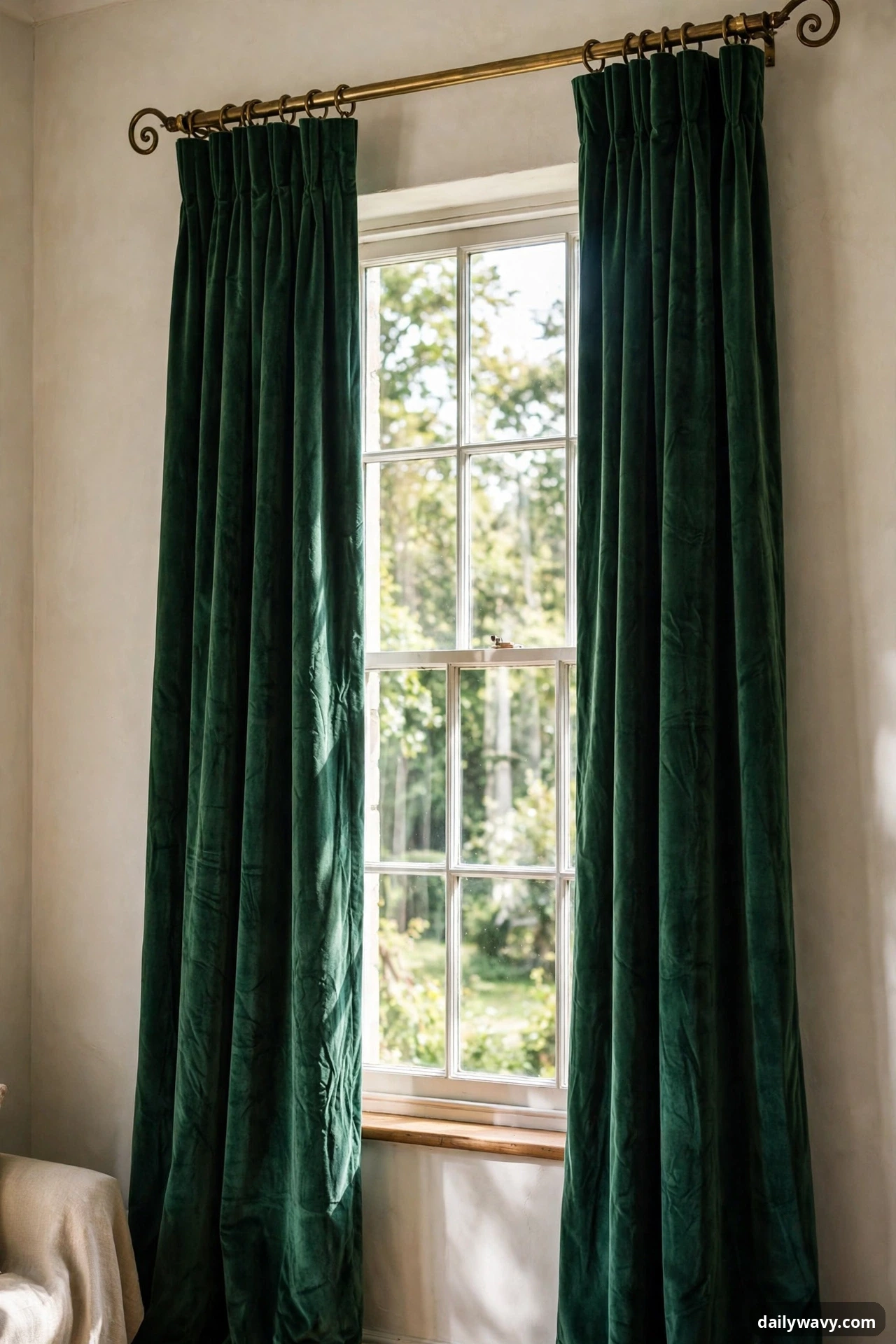
Deco richness does not have to mean pattern everywhere. The trend cue here is texture doing the luxury work: velvet or heavy linen in a deep jewel tone or a warm neutral, hung with intention. Fabric changes the acoustics and the light of a room, which is why curtains punch above their price. Measure the window, then the rod. Extend the rod 4 to 6 inches beyond the frame on each side and hang it 4 to 6 inches above the frame so the window looks taller. Panels should just kiss the floor or pool slightly; high-water curtains undo the whole effect. Look for velvet in emerald, navy, or ochre, or a heavyweight linen if velvet feels too formal for your life. Place the panels so they stack back on the wall, not over the glass, keeping daylight clear during the day. Effort is a weekend afternoon with a drill and a level. The lower-cost alternative is ready-made panels with iron-on hem tape instead of sewing. Two panels in a rich texture will change a room more than almost anything else at this price.
7. A Low Centerpiece On A Dining Table

The trend cue is symmetry with restraint: a geometric tray or low bowl, one metallic element, and repetition in odd numbers. A centerpiece should decorate the table, not block the conversation across it. Measure your table length, then keep the whole arrangement under 12 inches tall so sightlines stay open. Look for a low brass or black tray holding three bud vases, a cluster of pillar candles in glass holders, or a shallow bowl with seasonal fruit. The tray is the secret; it turns separate objects into one deliberate composition and makes the whole thing portable when you need the table. Place it centered on the dining table, or offset slightly on a long table with a runner. Effort is about an hour, mostly gathering and arranging. The lower-cost alternative is raiding your own shelves: a cutting board or tray you own, candles you already have, and greenery from the yard. Swap the contents with the seasons and the tray earns its place year-round.
8. A Vintage Object On An Uncluttered Shelf
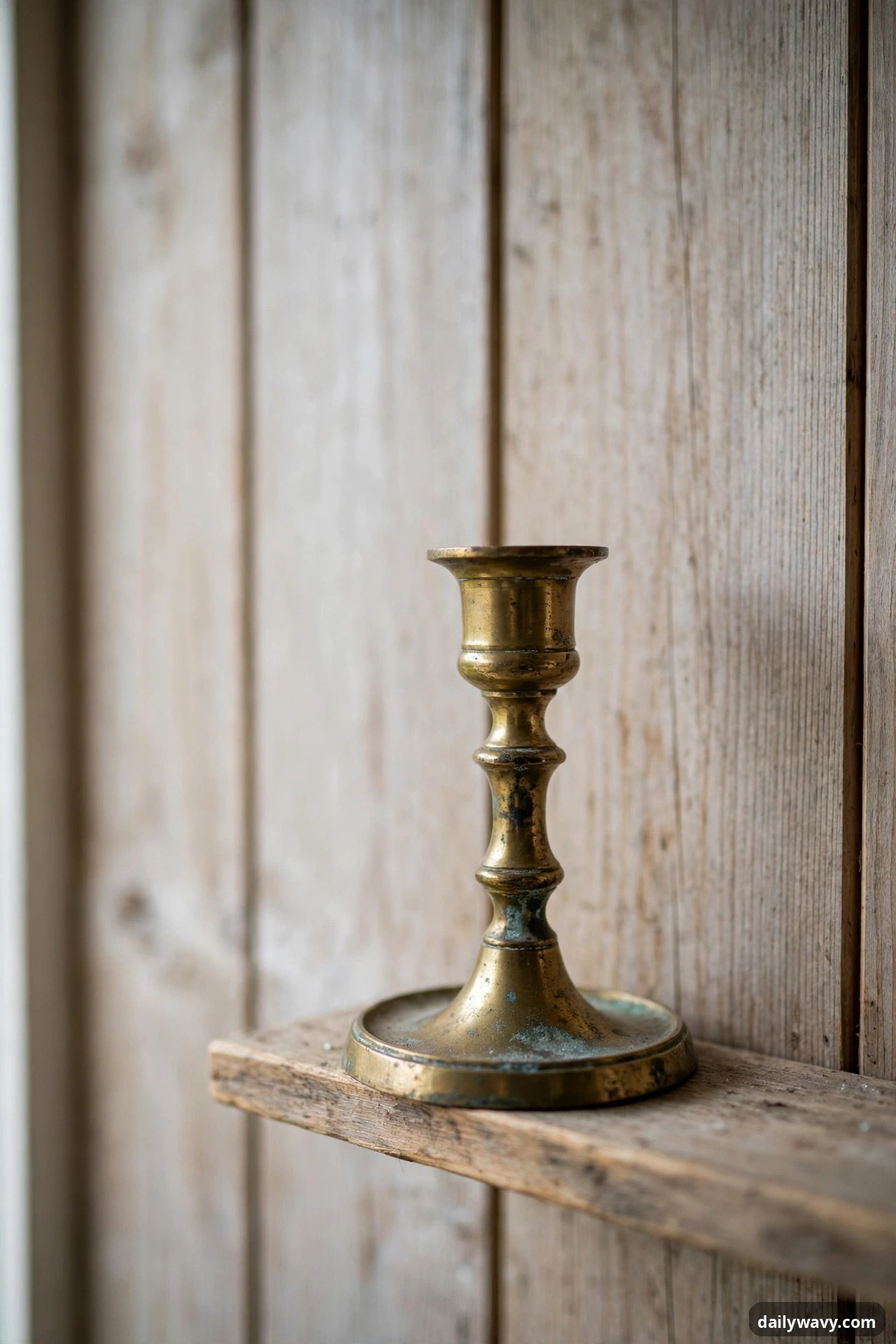
Nothing says deco like the real thing, and one genuine vintage piece carries more character than a shelf of reproductions. The trend cue is authenticity: a brass candlestick, a Bakelite box, a chrome cocktail shaker, something with a past. The uncluttered shelf is just as important as the object; negative space is what lets it breathe. Measure the shelf depth and keep the object to about one-third of the shelf’s length so it sits in space rather than crowding it. Look at flea markets, estate sales, and antique shops for small brass, chrome, or lacquered pieces from the 1920s to 1950s. Condition matters less than shape; a little patina is honest wear. Place it on a single shelf with nothing else competing, ideally at eye level. Effort is a weekend of hunting, which is half the pleasure. The lower-cost alternative is one good thrifted piece instead of five mediocre ones. If your taste runs bolder than restrained, our home decor ideas show more ways to mix eras on a single shelf.
9. An Accent Rug Under Existing Furniture
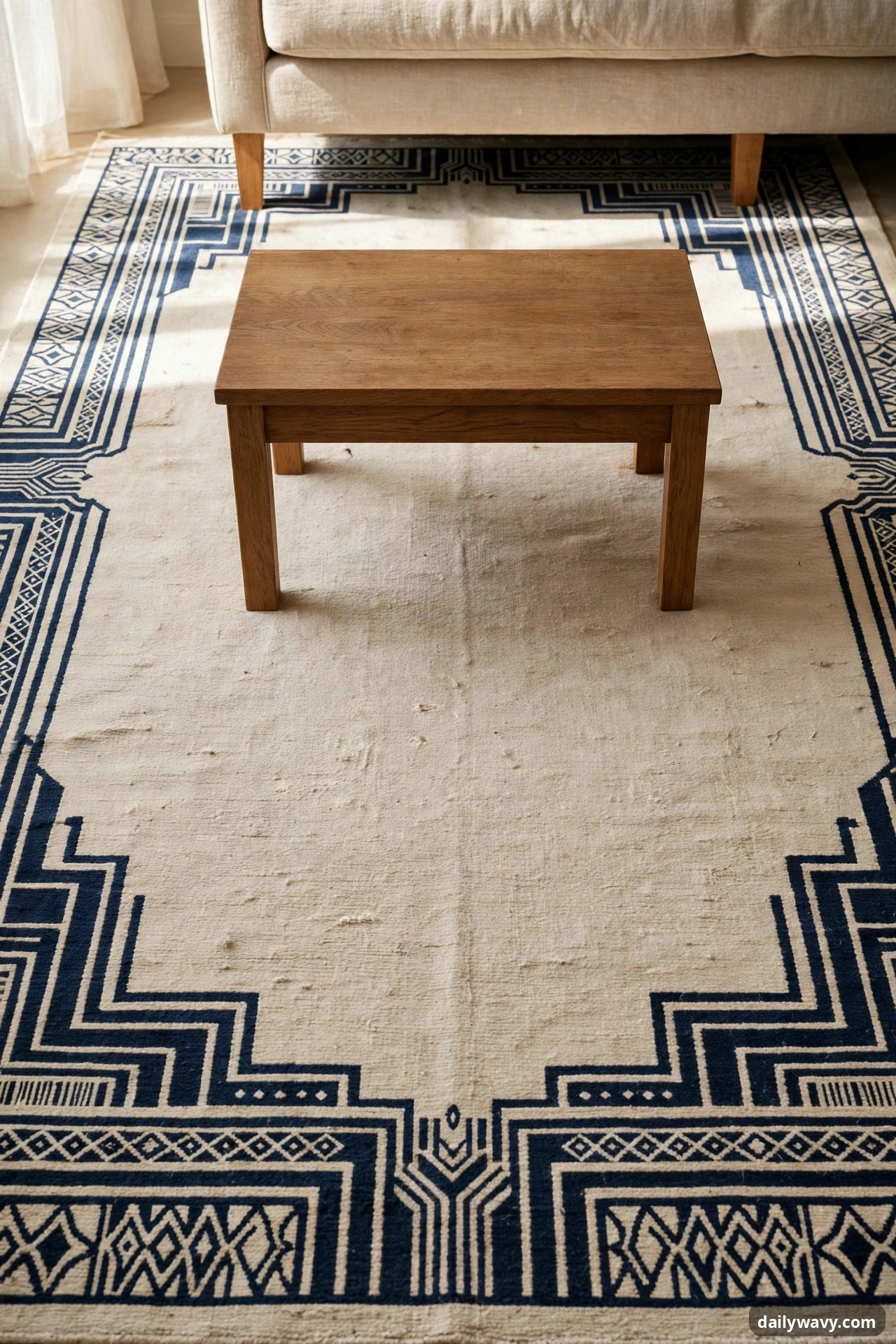
A rug is the fastest way to give a room a geometric foundation. The trend cue is the deco border or medallion: stepped edges, fan corners, repeating diamonds, usually in two or three restrained colors. The rug grounds the furniture and defines the seating area, which makes everything on it look more deliberate. Measure the seating area, not the room. The rug should extend 18 to 24 inches beyond the furniture on all sides, and you want 12 to 18 inches of bare floor showing at the walls so the room does not feel carpeted. Look for a low-pile wool rug or a quality washable rug with a geometric pattern in navy and cream, black and ivory, or rust and charcoal. Low pile keeps doors swinging and chairs rolling. Place it under the coffee table with the front legs of the sofa on it, or centered under a dining table with room for pulled-out chairs. Effort is an afternoon of moving furniture and one strong friend. The lower-cost alternative is layering a smaller patterned rug over a large neutral one you already own, which gives the geometric hit for a fraction of the price.
10. A Sculptural Mirror Beside A Cabinet
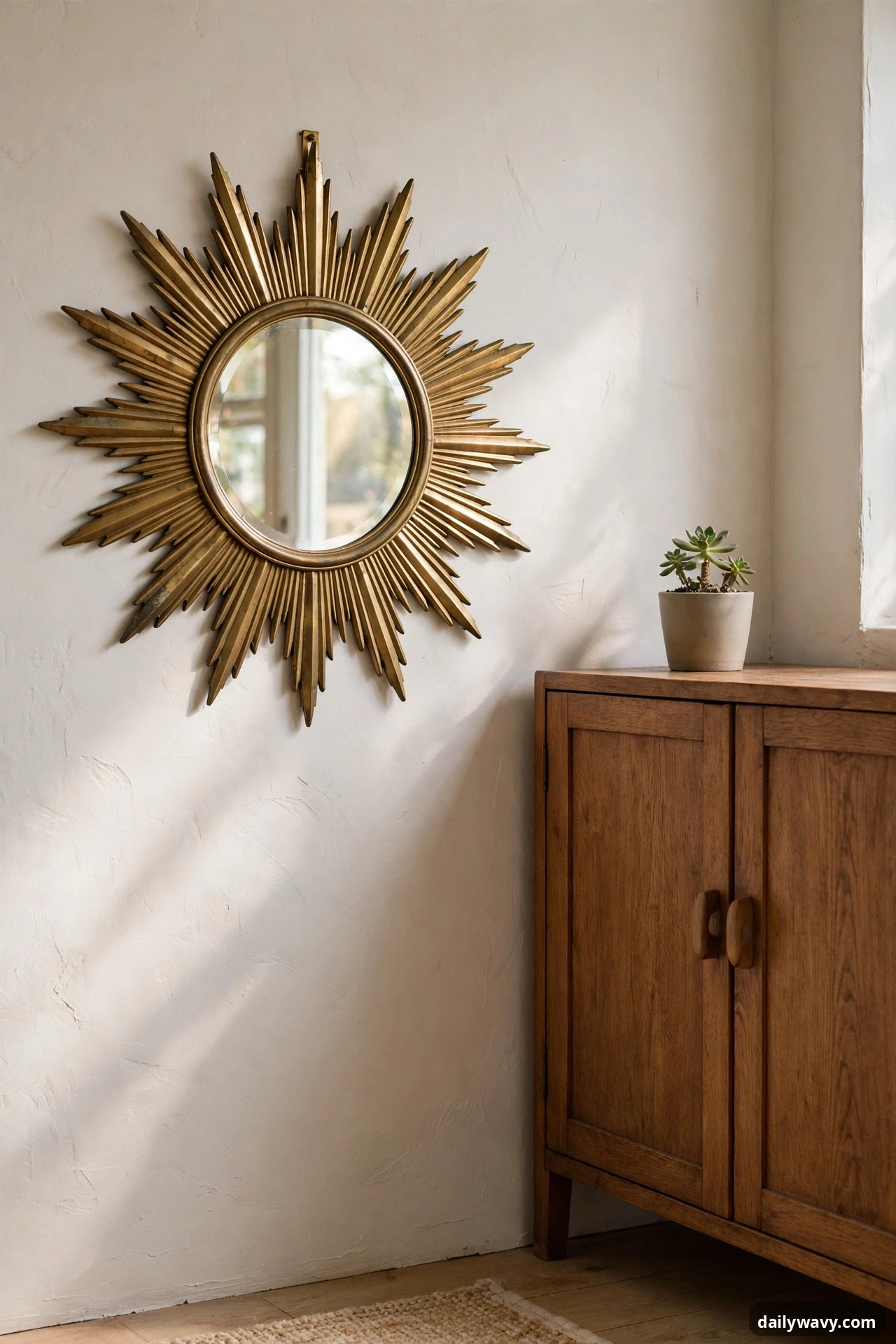
The sunburst mirror is the single most recognizable deco shape, and an arched mirror runs a close second. The trend cue is the frame as sculpture: radiating brass rays, a perfect arch, a stepped edge. It bounces light around the room and reads as art even in a hallway. Measure the cabinet or console it will hang near. The mirror should be about two-thirds the width of the furniture below or beside it, hung with its center at eye level, roughly 57 to 60 inches from the floor. Look for a brass or rattan sunburst, or a simple arched mirror with a thin metal frame. Rattan softens the look; brass sharpens it. Place it beside or above a cabinet, console, or dresser where it can catch window light. Effort is an hour plus proper wall anchors, because mirrors are heavy and drywall is unforgiving. The lower-cost alternative is a thrifted round mirror with the frame spray painted gold. Check the reflection before you hang it; a mirror that frames a blank wall is a missed opportunity.
11. A Restrained Wallpaper Panel
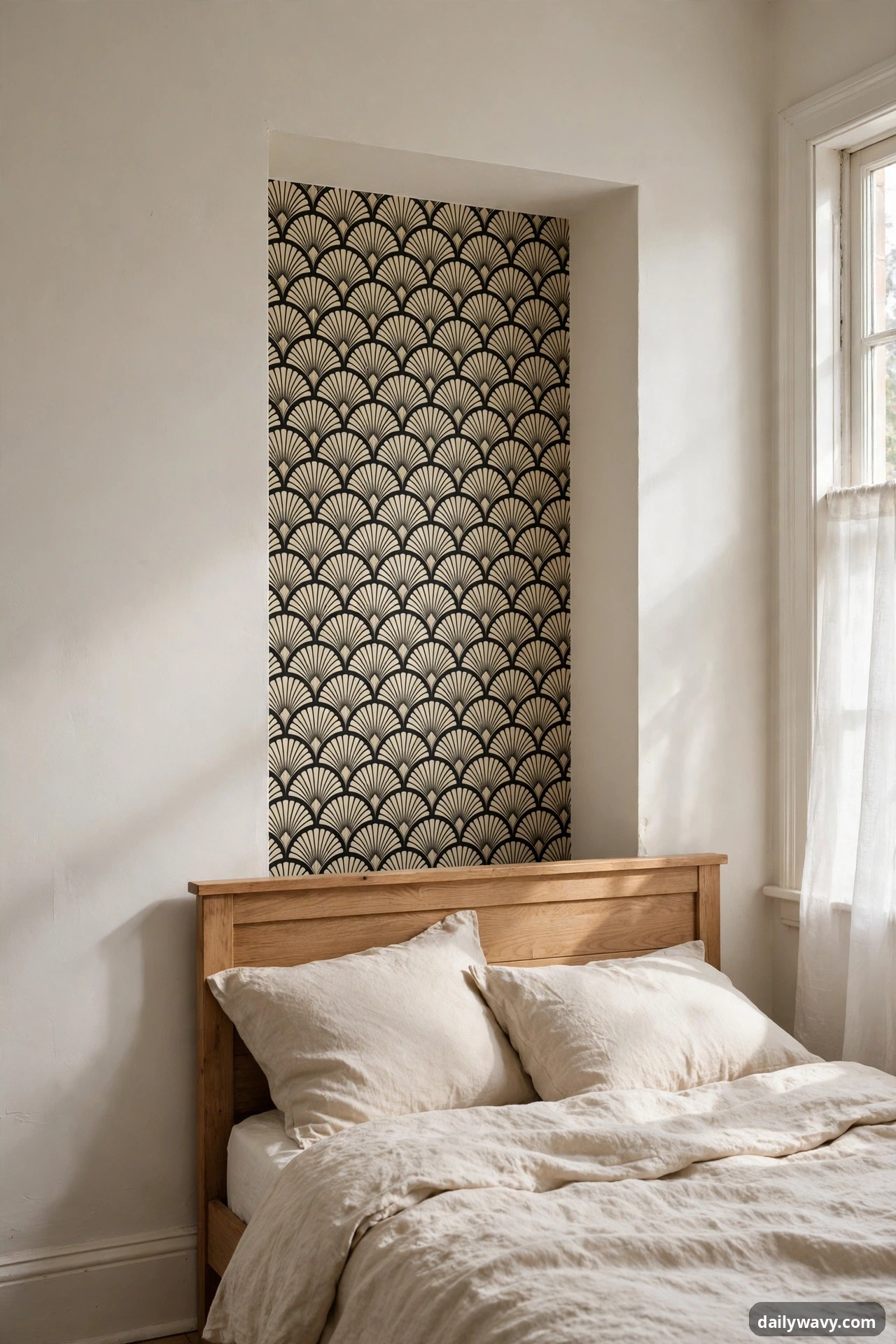
Wallpaper is a big commitment, so make it a small one. The trend cue is geometric paper used as an accent panel: one section of wall, one alcove, or one framed piece, not a whole room. A single panel of fan or chevron paper gives you the full deco hit with a fraction of the cost and zero regret if your taste changes. Measure the exact section you want to cover. A 3 to 4 foot wide alcove, the wall behind a bed, or the back of a bookcase are all good candidates. Look for peel-and-stick geometric paper in a restrained palette; it removes cleanly, which makes it renter-friendly and low-risk. Place it where it frames something: behind the headboard, inside an entryway nook, or as a backdrop for open shelving. Effort is a weekend afternoon with a smoothing tool and patience. The lower-cost alternative is framing a single wallpaper sample or offcut like art, which costs almost nothing and still delivers the pattern. Live with the panel for a month before deciding whether you want more.
12. A Textile Draped Neatly Over A Bench

The smallest idea on the list, and one of the most effective. The trend cue is rich texture in a curved drape: velvet, a patterned weave, or a fringed throw folded with care over a bench, ottoman, or the foot of a bed. It softens hard furniture lines and adds the layered, collected feeling that keeps geometric rooms from going cold. Measure the bench length and choose a textile about one and a half times as long so it drapes rather than perches. Look for a throw in velvet, a kilim-style weave, or a subtle geometric pattern in your room’s palette. Fold it in thirds lengthwise, then lay it across the bench with the fold facing out for a tailored look. Place it at the foot of the bed, on an entryway bench, or over a storage ottoman. Effort is ten minutes. The lower-cost alternative is a large scarf, a fabric remnant, or a throw you already own, refolded with intention. Neatness is the whole idea; a crumpled throw reads as laundry, a folded one reads as styling.
Frequently asked questions
What exactly is neo deco?
Neo deco is a modern revival of Art Deco, the 1920s and 30s design movement known for geometric shapes, curved details, and metallic accents. This roundup applies that forecast in small, practical ways rather than full room makeovers. Treat it as an editorial take on current design direction, not a trend with measured sales data behind it.
How much will these ideas cost?
Most land between $15 and $150. Cushion covers and throws sit at the low end, a good lamp or mirror in the middle, and an accent chair at the top. Every section above includes a lower-cost alternative, and several ideas cost nothing if you shop your own home first.
Can I mix neo deco with my existing style?
Yes, and you should. Add one piece at a time and live with it for a week before adding the next. If you want to see how deco shapes play with other aesthetics, our narrow living room layout ideas show how statement pieces balance out in real rooms.
I rent. Which ideas are safe for me?
Cushions, throws, the centerpiece, the ceramic grouping, and peel-and-stick wallpaper panels all leave no trace. For the mirror and curtains, use the existing hardware where you can and keep the original fixtures to reinstall later.
Will brass accents look dated in a few years?
Restrained metallics have cycled in and out for a century, which is exactly why they keep coming back. Keep metal to two or three pieces per room and choose classic shapes over novelty ones, and the look stays current longer.
Where should I start if I can only do one thing?
The table lamp or the sculptural mirror. Both change how a room feels in under an hour, both work in any room, and both are easy to move if you change your mind.
A calm way to start
Start with the smallest idea that catches your eye: a cushion, a throw, or a single framed print. One geometric shape or brass detail is enough to test whether neo deco suits your room, and you can build from there. For the same tray-first thinking on utility shelves, our small pantry organization ideas show how one container turns clutter into a composition.