14 Shrimp Stir Fry Recipes for Your Weeknight Rotation
There is a particular kind of weeknight magic in a screaming-hot pan, a pound and a half of shrimp, and…
There is a particular kind of weeknight magic in a screaming-hot pan, a pound and a half of shrimp, and whatever vegetables are hanging around your crisper drawer. A few minutes of sizzling and you have dinner that tastes like you planned it days ago. The catch is that shrimp goes from perfect to rubbery very quickly, and that is exactly why most homemade stir fries disappoint. This guide fixes that. You get fourteen fully worked-out shrimp stir fry recipes, each with real quantities, real timing, and a sauce that actually belongs with it, plus the method rules that make every single one of them work. Pick the one that matches your mood, and dinner is handled.
Jump to an idea
- 1. Shrimp Stir Fry With Peanut Sauce And Cabbage
- 2. Shrimp Stir Fry With Sweet Chili And Beans
- 3. Shrimp Stir Fry With Pineapple And Peppers
- 4. Shrimp Stir Fry With Miso And Zucchini
- 5. Shrimp Stir Fry With Basil And Eggplant
- 6. Shrimp Stir Fry With Teriyaki And Mushrooms
- 7. Shrimp Stir Fry With Lemon And Asparagus
- 8. Shrimp Stir Fry With Curry And Cauliflower
- 9. Shrimp Stir Fry With Lime And Bok Choy
- 10. Shrimp Stir Fry With Chili Crisp And Corn
- 11. Shrimp Stir Fry With Hoisin And Greens
- 12. Shrimp Stir Fry With Turmeric And Peas
- 13. Shrimp Stir Fry With Coriander And Squash
- 14. Shrimp Stir Fry With Tahini And Kale

The shrimp stir fry method that works every time
Every recipe below follows the same five moves, so learn them once and all fourteen become easy. First, pat the shrimp completely dry with paper towels. Moisture is the enemy of searing, and wet shrimp steam instead of brown. Second, get your wok or large skillet genuinely hot before the oil goes in. The pan should be shimmering and the oil should ripple and almost smoke. Medium heat gives you sad, gray shrimp. Third, cut everything before you start. Stir frying moves fast, and you will not have time to chop between steps. Vegetables go in according to density: hard ones like cauliflower and carrots first, leafy ones like bok choy and spinach last. Fourth, cook the shrimp in a single layer and give them space. If your pan is crowded, work in two batches rather than piling everything in at once. Fifth, add the sauce at the very end and toss for thirty to sixty seconds, just until it coats everything and turns glossy. Sauces with sugar, like teriyaki and sweet chili, burn fast if they hit the pan too early.
A note on the shrimp itself: large shrimp (21 to 25 count per pound) work best because they give you a margin of error. Smaller shrimp overcook in a blink. Thaw frozen shrimp overnight in the refrigerator, or under cold running water for about twenty minutes if you are in a hurry. Shrimp is done when it is opaque and pink throughout with firm flesh, and the USDA recommends cooking shrimp to an internal temperature of 145 degrees F. Pull them off the heat the moment they curl into a loose C shape. If they curl into a tight O, they have gone too far.
Leftovers keep well. Refrigerate within two hours of cooking and eat within three days. Reheat gently in a hot skillet for a minute or two rather than microwaving, which turns shrimp tough.
1. Shrimp Stir Fry With Peanut Sauce And Cabbage

This is the comfort-food corner of the list. A warm, savory peanut sauce clings to every shrimp, and the cabbage softens just enough to turn sweet while keeping a little crunch. It tastes like really good takeout, except you made it yourself.
You need (serves 4):
- 1 1/2 pounds large shrimp, peeled and deveined, patted dry
- 1/4 cup creamy peanut butter
- 3 tablespoons soy sauce
- 2 tablespoons rice vinegar
- 1 tablespoon honey
- 1 tablespoon toasted sesame oil
- 2 cloves garlic, minced
- 1 teaspoon grated fresh ginger
- 2 to 4 tablespoons warm water, to thin
- 3 tablespoons neutral oil, divided
- 4 cups thinly sliced green cabbage (about half a small head)
- 1/4 cup crushed roasted peanuts
- 3 scallions, thinly sliced
Method:
- Whisk the peanut butter, soy sauce, rice vinegar, honey, sesame oil, garlic, and ginger in a bowl. Add warm water a tablespoon at a time until the sauce pours in a thick ribbon.
- Heat 2 tablespoons oil in a wok or large skillet over high heat until shimmering. Add the shrimp in a single layer and sear 1 to 2 minutes per side until pink and opaque. Transfer to a plate.
- Add the remaining tablespoon of oil and the cabbage. Stir fry 2 to 3 minutes until wilted but still bright.
- Return the shrimp to the pan. Pour in the peanut sauce and toss 30 to 60 seconds until everything is glossy and coated.
- Serve over steamed rice, topped with crushed peanuts and scallions.
Timing notes: The cabbage needs only a few minutes. Cut it into thin ribbons, about a quarter inch wide, so it wilts evenly.
Troubleshooting: If the sauce seizes or looks grainy, whisk in another tablespoon of warm water off the heat. Peanut butter loosens easily with warmth.
Storage: Refrigerate leftovers in an airtight container up to 3 days. The sauce thickens when cold; add a splash of water when reheating.
Substitution: Use almond butter in place of peanut butter if there is a peanut allergy in the house, and swap in red cabbage for extra color.
2. Shrimp Stir Fry With Sweet Chili And Beans
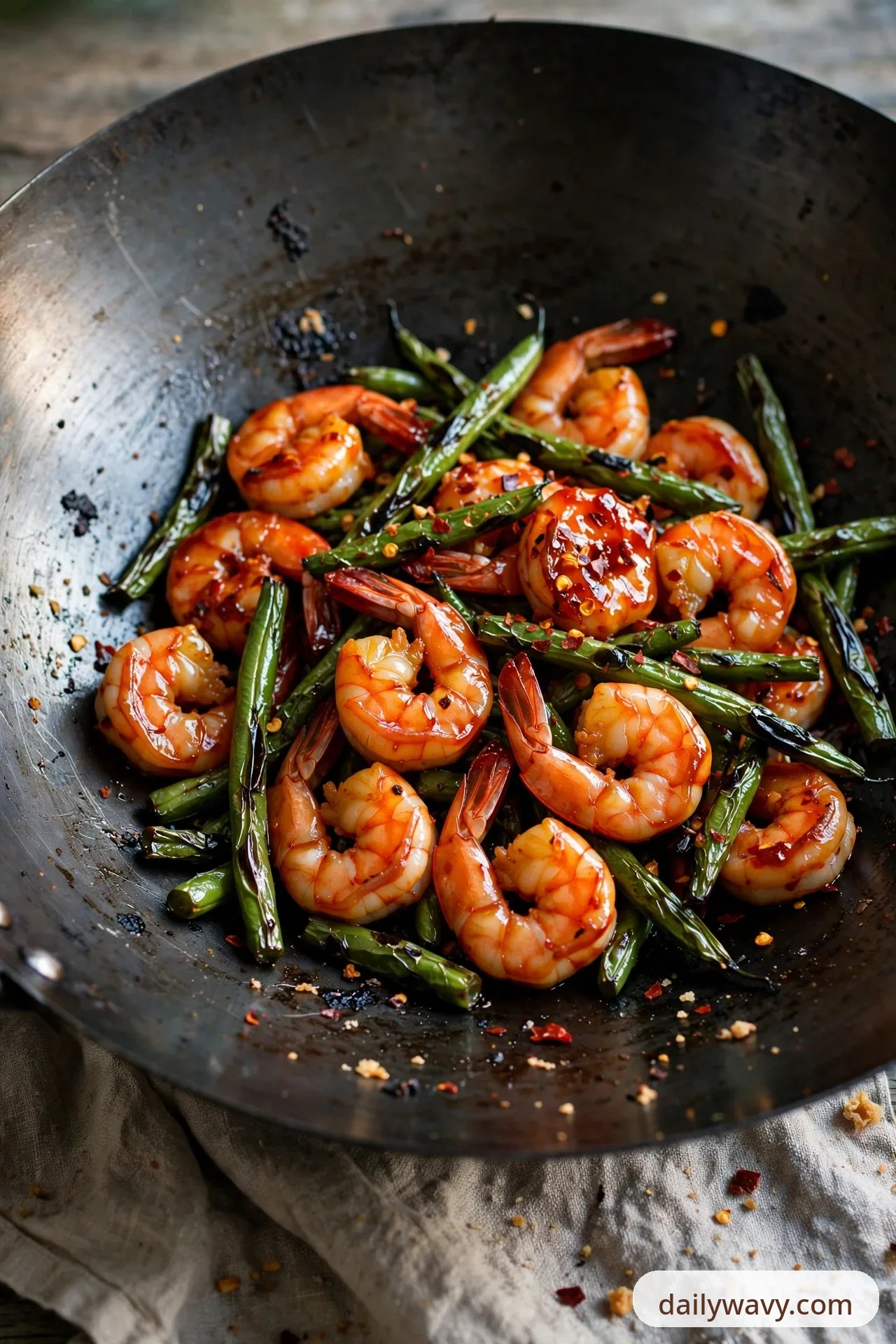
Sweet heat and snappy green beans. The sweet chili glaze goes lacquered and sticky in the last minute of cooking, and the beans stay bright green with those little blistered spots that taste like a grill. This one is a good choice for anyone who likes a gentle kick without real fire.
You need (serves 4):
- 1 1/2 pounds large shrimp, peeled and deveined, patted dry
- 12 ounces green beans, trimmed and cut into 2-inch pieces
- 1/3 cup sweet chili sauce
- 2 tablespoons soy sauce
- 1 tablespoon rice vinegar
- 1 teaspoon grated fresh ginger
- 3 tablespoons neutral oil, divided
- 2 cloves garlic, thinly sliced
- 1/2 teaspoon red pepper flakes (optional, for more heat)
- 2 tablespoons chopped fresh cilantro
Method:
- Stir the sweet chili sauce, soy sauce, rice vinegar, and ginger together in a small bowl.
- Heat 2 tablespoons oil over high heat. Sear the shrimp 1 to 2 minutes per side until pink. Transfer to a plate.
- Add the remaining oil and the green beans. Stir fry 3 to 4 minutes until tender-crisp with blistered spots. Add the garlic and pepper flakes in the last 30 seconds.
- Return the shrimp and pour in the sauce. Toss 45 seconds until the glaze coats everything and turns shiny.
- Sprinkle with cilantro and serve over jasmine rice.
Timing notes: Green beans are denser than most stir fry vegetables, so give them the full 3 to 4 minutes before the shrimp go back in.
Troubleshooting: If the glaze scorches, your heat is too high for the sugar in the sauce. Medium-high works better than full high once the sauce is in.
Storage: Refrigerate up to 3 days. The beans soften on reheating but the flavor holds.
Substitution: Snow peas or sugar snap peas work in place of green beans and need only 2 minutes.
3. Shrimp Stir Fry With Pineapple And Peppers

Caramelized pineapple edges, sweet peppers, and shrimp that pick up a little char. This is the sunny one, the stir fry that tastes like a vacation dinner. The trick is letting the pineapple sit undisturbed long enough to actually brown.
You need (serves 4):
- 1 1/2 pounds large shrimp, peeled and deveined, patted dry
- 2 cups fresh pineapple chunks (about 1-inch pieces)
- 1 red bell pepper, cut into 1-inch squares
- 1 green bell pepper, cut into 1-inch squares
- 1/2 red onion, cut into 1-inch wedges
- 3 tablespoons neutral oil, divided
- 3 tablespoons soy sauce
- 1 tablespoon rice vinegar
- 1 tablespoon honey
- 1 teaspoon grated fresh ginger
- 2 scallions, sliced
Method:
- Heat 1 tablespoon oil over high heat. Add the pineapple in a single layer and let it sit undisturbed 2 minutes until the undersides caramelize. Stir and cook 1 minute more. Transfer to a plate.
- Add another tablespoon of oil and sear the shrimp 1 to 2 minutes per side. Transfer to the plate with the pineapple.
- Add the remaining oil, peppers, and onion. Stir fry 2 to 3 minutes until softened but still crisp.
- Return everything to the pan. Stir the soy sauce, rice vinegar, honey, and ginger together and pour in. Toss 30 seconds.
- Top with scallions and serve over coconut rice or plain jasmine rice.
Timing notes: Do not skip the undisturbed caramelizing step for the pineapple. That browning is where the deep flavor comes from.
Troubleshooting: If the pineapple releases a lot of juice and nothing browns, the pan was crowded. Cook the pineapple in two batches next time.
Storage: Refrigerate up to 3 days. Reheat in a hot skillet to revive the texture.
Substitution: Mango chunks work beautifully in place of pineapple, added in the same way.
4. Shrimp Stir Fry With Miso And Zucchini

Miso gives this one a deep, savory backbone that tastes far more complex than the ingredient list suggests. The zucchini soaks up the glossy caramel-colored glaze, and a shower of sesame seeds adds crunch. White miso keeps it mellow; red miso makes it bolder.
You need (serves 4):
- 1 1/2 pounds large shrimp, peeled and deveined, patted dry
- 2 medium zucchini, halved lengthwise and cut into 1/2-inch half moons
- 3 tablespoons white miso paste
- 2 tablespoons mirin or 1 tablespoon honey plus 1 tablespoon water
- 1 tablespoon soy sauce
- 1 teaspoon toasted sesame oil
- 3 tablespoons neutral oil, divided
- 2 cloves garlic, minced
- 2 tablespoons toasted sesame seeds
- 2 scallions, sliced
Method:
- Whisk the miso, mirin, soy sauce, and sesame oil until smooth.
- Heat 2 tablespoons oil over high heat. Sear the shrimp 1 to 2 minutes per side. Transfer to a plate.
- Add the remaining oil and the zucchini. Stir fry 3 minutes until golden at the edges and just tender. Add the garlic for the last 30 seconds.
- Return the shrimp. Pour in the miso mixture and toss 30 to 45 seconds until everything is coated and glossy.
- Serve over rice or noodles, topped with sesame seeds and scallions.
Timing notes: Zucchini releases water, so keep the heat high and the pieces in a single layer for the first minute to get real browning.
Troubleshooting: If the miso sauce clumps, whisk it with the warm pan juices off the heat for a few seconds. Miso dissolves with warmth and motion.
Storage: Refrigerate up to 3 days. The zucchini softens overnight but reheats fine.
Substitution: Yellow squash swaps in for zucchini one to one. For a bolder flavor, use red miso and add an extra teaspoon of honey.
5. Shrimp Stir Fry With Basil And Eggplant
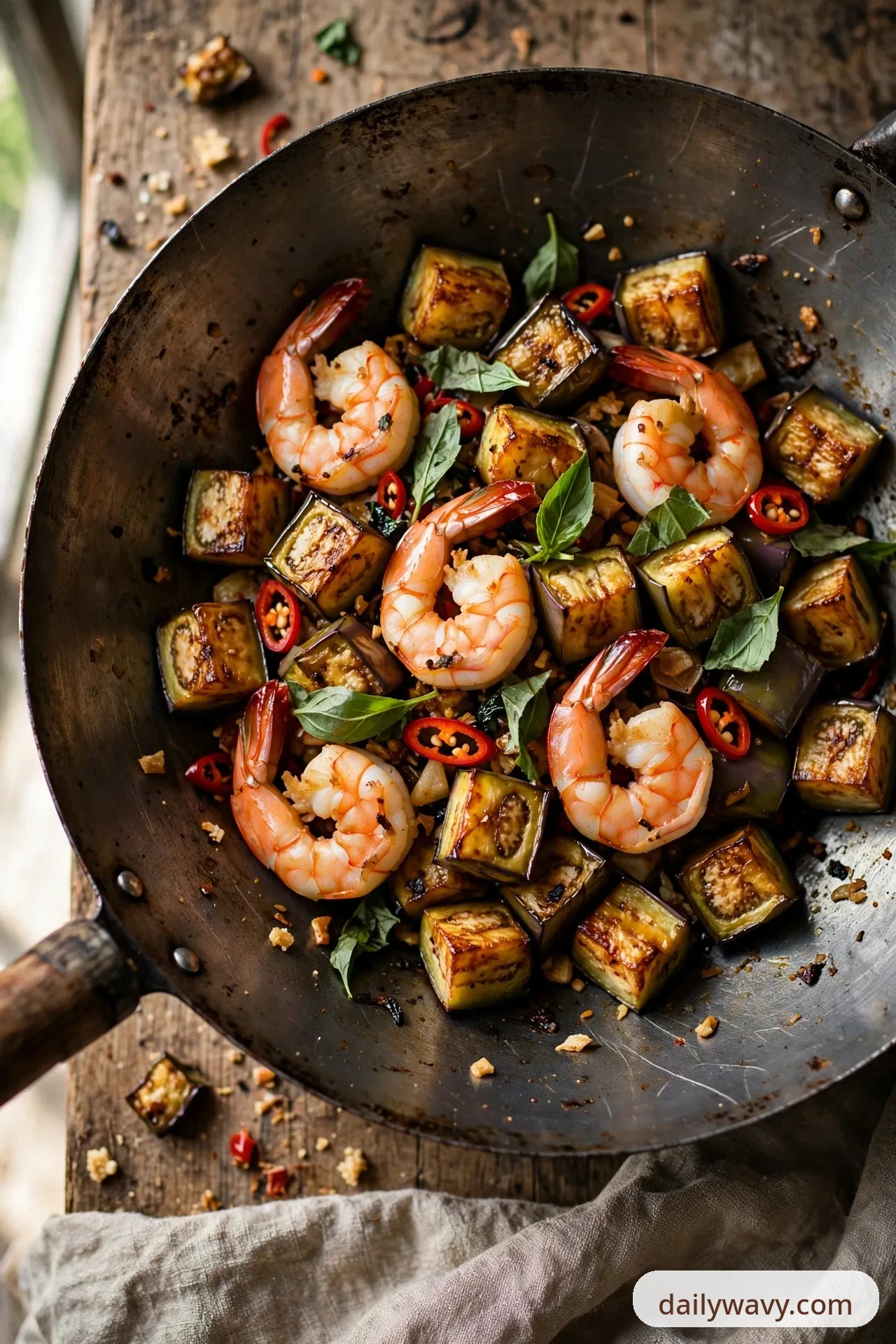
Inspired by Thai basil chicken, this version lets shrimp take the starring role. The eggplant turns creamy and golden, the basil goes fragrant and just-wilted, and a slick of oyster sauce ties it all together. Use Thai basil if you can find it; its anise edge is the point.
You need (serves 4):
- 1 1/2 pounds large shrimp, peeled and deveined, patted dry
- 1 large Japanese or Chinese eggplant, cut into 1-inch cubes (about 4 cups)
- 3 tablespoons oyster sauce
- 1 tablespoon soy sauce
- 1 teaspoon fish sauce
- 1 teaspoon sugar
- 4 tablespoons neutral oil, divided
- 4 cloves garlic, minced
- 2 Thai chilies or 1 serrano, thinly sliced (optional)
- 1 1/2 cups loosely packed Thai basil leaves
Method:
- Stir the oyster sauce, soy sauce, fish sauce, and sugar together in a small bowl.
- Heat 3 tablespoons oil over medium-high heat. Add the eggplant and cook, stirring occasionally, 6 to 8 minutes until golden and creamy inside. Transfer to a plate.
- Add the remaining tablespoon of oil and raise the heat to high. Sear the shrimp 1 to 2 minutes per side.
- Add the garlic and chilies, stir 20 seconds, then return the eggplant and pour in the sauce. Toss 30 seconds.
- Take the pan off the heat and fold in the basil leaves until just wilted. Serve immediately over jasmine rice.
Timing notes: Eggplant is the one vegetable here that needs patience. Medium-high heat and a full 6 to 8 minutes give you creamy centers instead of spongy ones.
Troubleshooting: If the eggplant soaks up all the oil and sticks, add another tablespoon of oil rather than lowering the heat. Eggplant drinks oil before it starts to brown.
Storage: Refrigerate up to 3 days. The basil darkens overnight, so this one is best eaten fresh; add fresh basil when reheating.
Substitution: Regular Italian basil works when Thai basil is unavailable. Zucchini can replace eggplant for a faster version.
6. Shrimp Stir Fry With Teriyaki And Mushrooms

Homemade teriyaki is easy to make, and it takes only a few minutes. The mushrooms soak up the glossy sauce like little sponges, and the shrimp get that lacquered, restaurant-style finish. A genuinely weeknight-friendly classic.
You need (serves 4):
- 1 1/2 pounds large shrimp, peeled and deveined, patted dry
- 12 ounces cremini or shiitake mushrooms, sliced 1/4 inch thick
- 1/3 cup soy sauce
- 3 tablespoons mirin
- 2 tablespoons honey or brown sugar
- 1 teaspoon grated fresh ginger
- 1 teaspoon cornstarch mixed with 1 tablespoon cold water
- 3 tablespoons neutral oil, divided
- 2 scallions, sliced
- 1 tablespoon toasted sesame seeds
Method:
- Simmer the soy sauce, mirin, honey, and ginger in a small saucepan 2 minutes. Stir in the cornstarch slurry and simmer 30 seconds until slightly thickened. Set aside.
- Heat 2 tablespoons oil over high heat. Sear the shrimp 1 to 2 minutes per side. Transfer to a plate.
- Add the remaining oil and the mushrooms in a single layer. Let them sit 2 minutes to brown, then stir and cook 2 minutes more.
- Return the shrimp and pour in the teriyaki sauce. Toss 30 to 45 seconds until glossy and coated.
- Serve over steamed rice with scallions and sesame seeds.
Timing notes: Letting the mushrooms sit undisturbed is what browns them. Stirring constantly just steams them.
Troubleshooting: If the sauce gets too thick and gummy, thin it with a tablespoon of water. Teriyaki thickens fast once the cornstarch hits.
Storage: Refrigerate up to 3 days. The sauce keeps the shrimp moist on reheating.
Substitution: Button mushrooms work fine. For a gluten-free version, use tamari instead of soy sauce.
7. Shrimp Stir Fry With Lemon And Asparagus

Bright, light, and ready in about ten minutes. Lemon and a knob of butter turn into a pan sauce right in the wok, and the asparagus stays vividly green and snappy. This is the spring dinner of the bunch, good when you want something fresh rather than rich.
You need (serves 4):
- 1 1/2 pounds large shrimp, peeled and deveined, patted dry
- 1 pound asparagus, tough ends snapped off, cut into 2-inch pieces
- 3 tablespoons neutral oil, divided
- 3 cloves garlic, thinly sliced
- 1 lemon, half thinly sliced and half juiced
- 2 tablespoons unsalted butter
- 1/4 cup dry white wine or chicken broth
- 1/2 teaspoon kosher salt
- 1/4 teaspoon black pepper
- 2 tablespoons chopped fresh parsley
Method:
- Heat 2 tablespoons oil over high heat. Sear the shrimp 1 to 2 minutes per side until pink. Transfer to a plate.
- Add the remaining oil and the asparagus. Stir fry 2 to 3 minutes until bright green and tender-crisp. Add the garlic and lemon slices for the last 30 seconds.
- Pour in the wine and let it bubble 30 seconds, scraping up any browned bits.
- Return the shrimp. Add the butter, lemon juice, salt, and pepper. Toss until the butter melts into a light sauce, about 30 seconds.
- Sprinkle with parsley and serve over rice, orzo, or crusty bread.
Timing notes: Thin asparagus needs only 2 minutes; thick spears need 3 to 4. Cut thick spears on a diagonal so they cook through.
Troubleshooting: If the lemon slices turn bitter, they cooked too long. They only need 30 seconds to soften and perfume the oil.
Storage: Refrigerate up to 3 days. The lemon flavor deepens overnight.
Substitution: Green beans or snap peas replace asparagus one to one. Use broth instead of wine for an alcohol-free version.
8. Shrimp Stir Fry With Curry And Cauliflower

Warm curry powder blooms in hot oil, coconut milk turns it into a golden sauce, and the cauliflower catches all of it in its little florets. This one eats like a curry and cooks like a stir fry, which means dinner in about twenty minutes.
You need (serves 4):
- 1 1/2 pounds large shrimp, peeled and deveined, patted dry
- 1 small head cauliflower, cut into bite-size florets (about 5 cups)
- 2 tablespoons yellow curry powder
- 3/4 cup coconut milk
- 1 tablespoon fish sauce
- 1 teaspoon brown sugar
- 3 tablespoons neutral oil, divided
- 1 onion, thinly sliced
- 2 cloves garlic, minced
- 1 tablespoon grated fresh ginger
- 1/4 cup frozen peas, thawed
- 1/4 cup chopped fresh cilantro
Method:
- Stir the coconut milk, fish sauce, and brown sugar together in a bowl.
- Heat 2 tablespoons oil over high heat. Sear the shrimp 1 to 2 minutes per side. Transfer to a plate.
- Add the remaining oil, onion, and cauliflower. Stir fry 4 to 5 minutes until the cauliflower has golden edges and is nearly tender.
- Push everything to the sides, add the garlic, ginger, and curry powder to the center, and stir 30 seconds until fragrant.
- Pour in the coconut milk mixture and add the peas. Simmer 1 to 2 minutes until slightly thickened. Return the shrimp and toss 30 seconds.
- Top with cilantro and serve over basmati rice.
Timing notes: Cauliflower is one of the densest vegetables on this list, so it goes in early and gets a full 4 to 5 minutes. Cut florets small, about an inch, so they cook through.
Troubleshooting: If the curry powder tastes raw or dusty, it did not bloom long enough. Those 30 seconds in hot oil are essential.
Storage: Refrigerate up to 3 days. The sauce thickens when cold; loosen with a splash of water when reheating.
Substitution: Red curry paste (1 to 2 tablespoons) replaces the curry powder for a Thai-leaning version. Sweet potato cubes work instead of cauliflower but need 6 to 8 minutes.
9. Shrimp Stir Fry With Lime And Bok Choy

Clean and punchy. Baby bok choy wilts into silky ribbons in about two minutes, garlic chips add crunch, and a big squeeze of lime at the end wakes everything up. This is one of the lightest recipes in the collection.
You need (serves 4):
- 1 1/2 pounds large shrimp, peeled and deveined, patted dry
- 1 1/2 pounds baby bok choy, halved lengthwise and rinsed
- 3 tablespoons neutral oil, divided
- 4 cloves garlic, thinly sliced
- 1 tablespoon grated fresh ginger
- 2 tablespoons soy sauce
- 1 tablespoon oyster sauce
- 2 limes, one juiced and one cut into wedges
- 1 teaspoon toasted sesame oil
Method:
- Heat 2 tablespoons oil over high heat. Sear the shrimp 1 to 2 minutes per side. Transfer to a plate.
- Add the remaining oil and the garlic slices. Cook 30 to 60 seconds until golden and crisp at the edges. Scoop the garlic chips onto a paper towel.
- Add the ginger and bok choy, cut side down. Stir fry 2 minutes until the leaves wilt and the stems are tender-crisp.
- Return the shrimp. Add the soy sauce, oyster sauce, and lime juice. Toss 30 seconds.
- Drizzle with sesame oil, top with garlic chips, and serve with lime wedges over rice.
Timing notes: Bok choy cooks fast. The leaves wilt in under a minute; the stems need the full 2 minutes. Halving them lengthwise helps the heat reach the thick stems.
Troubleshooting: If the garlic chips burn, the oil was too hot. Medium-high is plenty for crisping garlic; it goes from golden to bitter in seconds.
Storage: Refrigerate up to 3 days. Bok choy softens overnight but the flavor stays bright.
Substitution: Napa cabbage or baby spinach replace bok choy. Spinach needs only 1 minute to wilt.
10. Shrimp Stir Fry With Chili Crisp And Corn
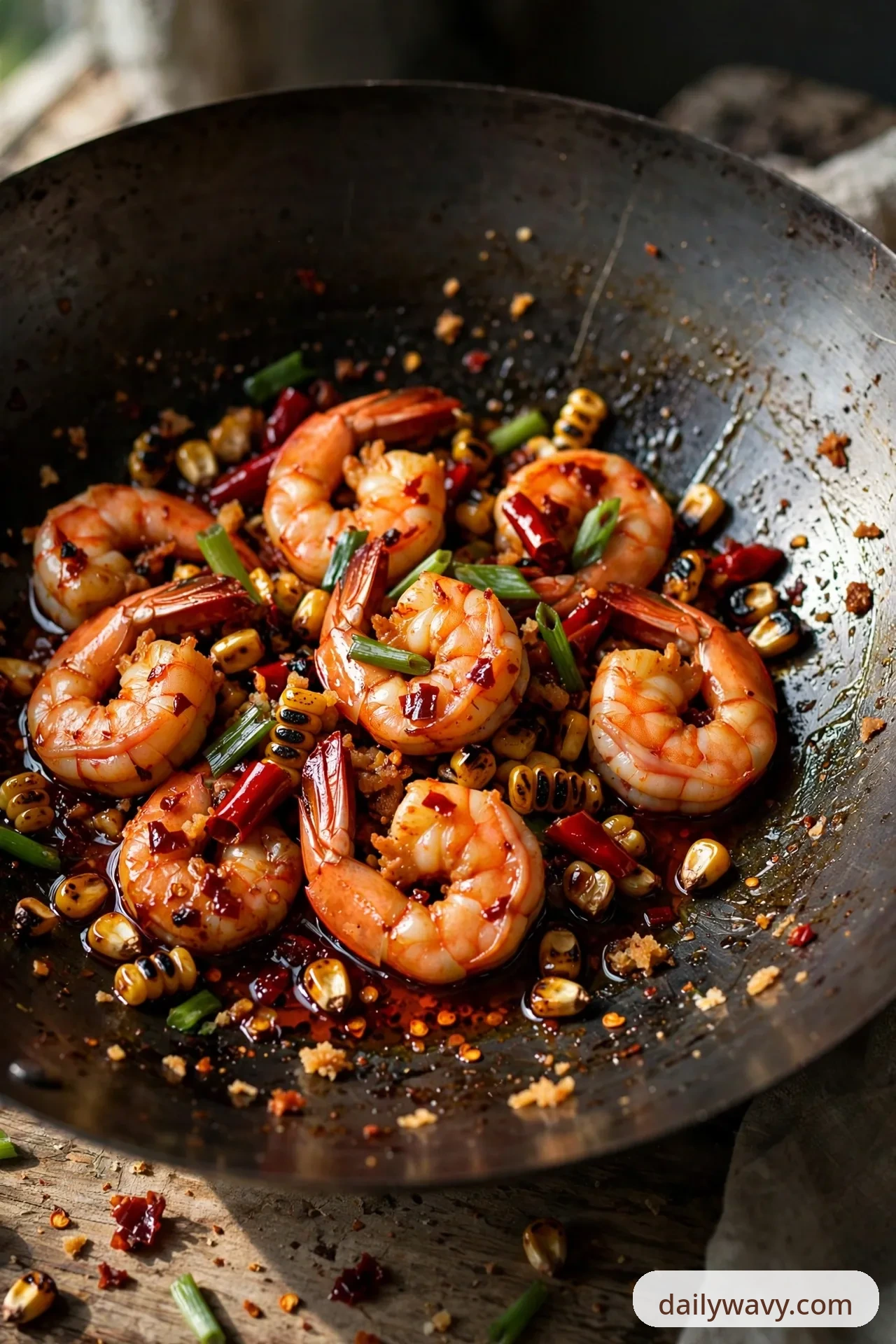
This is the fun one. Sweet charred corn, shrimp slicked with crunchy chili crisp oil, and scallions for freshness. It tastes like the best parts of a cookout landed in a wok. Adjust the chili crisp to your heat tolerance; a little goes a long way.
You need (serves 4):
- 1 1/2 pounds large shrimp, peeled and deveined, patted dry
- 3 cups corn kernels (from about 4 ears, or frozen and thawed)
- 3 tablespoons neutral oil, divided
- 2 to 3 tablespoons chili crisp, to taste
- 1 tablespoon soy sauce
- 1 teaspoon rice vinegar
- 2 cloves garlic, minced
- 4 scallions, sliced, whites and greens separated
- 1/4 cup chopped fresh cilantro
Method:
- Heat 1 tablespoon oil over high heat. Add the corn in a single layer and let it sit 2 minutes until charred in spots. Stir and cook 1 minute more. Transfer to a plate.
- Add another tablespoon of oil and sear the shrimp 1 to 2 minutes per side. Transfer to the plate with the corn.
- Add the remaining oil, scallion whites, and garlic. Stir 20 seconds until fragrant.
- Return the shrimp and corn. Add the chili crisp, soy sauce, and rice vinegar. Toss 30 seconds until everything glistens.
- Top with scallion greens and cilantro. Serve over rice or in warm tortillas.
Timing notes: Char the corn first and alone. It needs direct contact with the hot pan, and the shrimp would overcook waiting for it.
Troubleshooting: If the chili crisp makes everything taste only of heat, add another teaspoon of rice vinegar. Acid balances chili oil beautifully.
Storage: Refrigerate up to 3 days. The chili crisp flavor intensifies overnight, so start mild.
Substitution: Use sambal oelek or gochujang in place of chili crisp for a different kind of heat. Zucchini or bell peppers can join the corn.
11. Shrimp Stir Fry With Hoisin And Greens
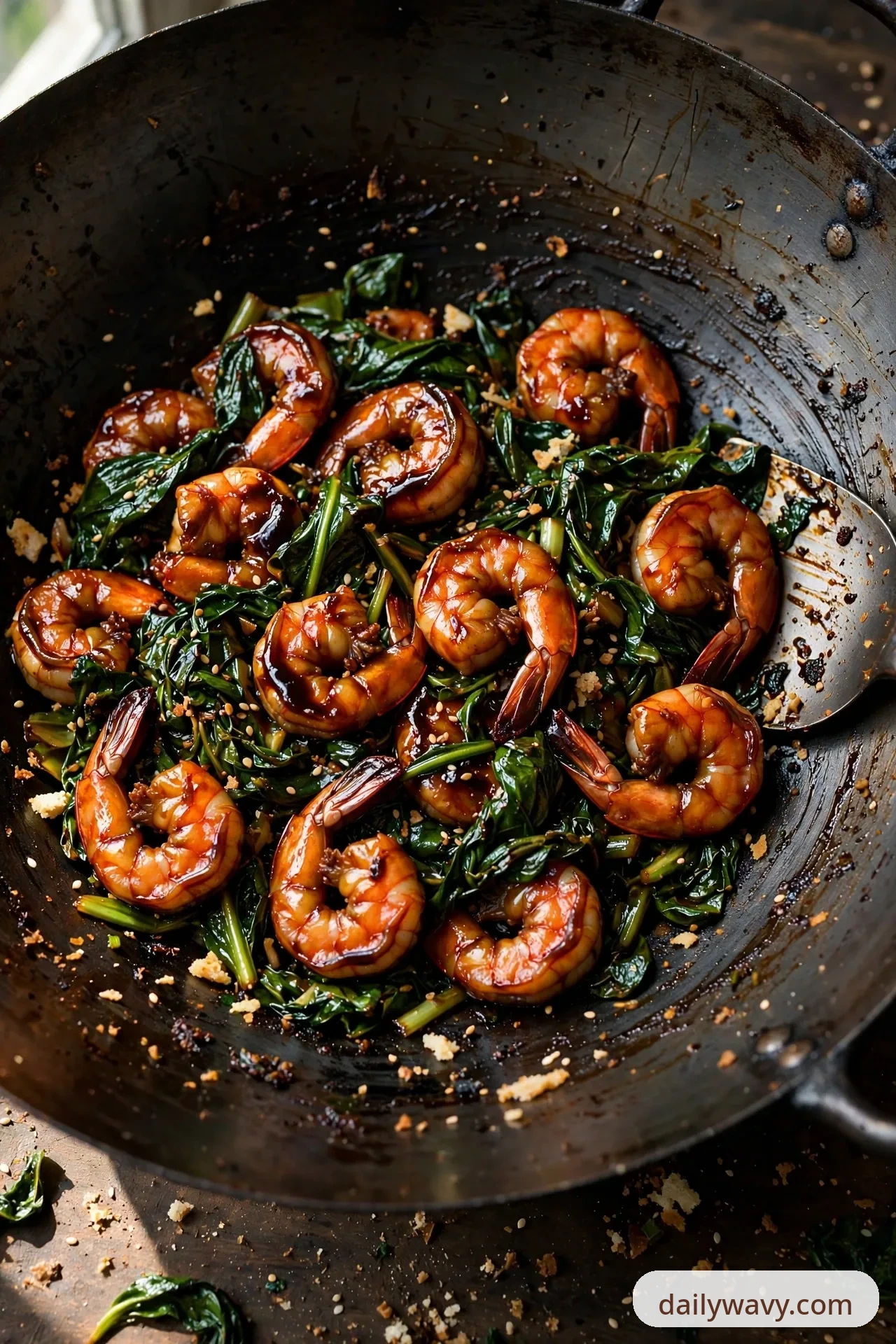
Hoisin is sweet, salty, and deeply savory all at once, and it turns a big pile of greens into something you actually crave. The greens wilt down to nothing, so do not be shy about the volume. What looks like a mountain becomes a perfect portion.
You need (serves 4):
- 1 1/2 pounds large shrimp, peeled and deveined, patted dry
- 10 ounces fresh spinach or chopped collard greens
- 1/4 cup hoisin sauce
- 1 tablespoon soy sauce
- 1 tablespoon rice vinegar
- 1 teaspoon toasted sesame oil
- 3 tablespoons neutral oil, divided
- 3 cloves garlic, minced
- 1 tablespoon grated fresh ginger
- 1 tablespoon toasted sesame seeds
Method:
- Stir the hoisin, soy sauce, rice vinegar, and sesame oil together in a small bowl.
- Heat 2 tablespoons oil over high heat. Sear the shrimp 1 to 2 minutes per side. Transfer to a plate.
- Add the remaining oil, garlic, and ginger. Stir 20 seconds. Add the greens in handfuls, letting each batch wilt before adding more.
- Return the shrimp and pour in the hoisin mixture. Toss 30 to 45 seconds until glossy.
- Sprinkle with sesame seeds and serve over rice or noodles.
Timing notes: Spinach wilts in about a minute; kale needs about 3 minutes; collard greens need 3 to 4 minutes and benefit from a splash of water to help them along.
Troubleshooting: If the hoisin sauce burns, the heat is too high for its sugar content. Add the sauce, toss quickly, and get the pan off the heat.
Storage: Refrigerate up to 3 days. Greens release water overnight; drain a little liquid before reheating.
Substitution: Kale or Swiss chard work well here. Kale needs 3 minutes; chard stems should be sliced thin and added a minute before the leaves.
12. Shrimp Stir Fry With Turmeric And Peas

Golden, cheerful, and quietly good for you. Turmeric gives the shrimp a gorgeous color and an earthy warmth that pairs beautifully with sweet peas and red onion. A squeeze of lemon at the end keeps it bright rather than heavy.
You need (serves 4):
- 1 1/2 pounds large shrimp, peeled and deveined, patted dry
- 1 1/2 cups frozen peas, thawed
- 1 red onion, thinly sliced
- 2 teaspoons ground turmeric
- 1 teaspoon ground cumin
- 1/2 teaspoon ground coriander
- 3 tablespoons neutral oil, divided
- 3 cloves garlic, minced
- 1 tablespoon grated fresh ginger
- 1/2 teaspoon kosher salt
- 1/2 cup chicken or vegetable broth
- 1 lemon, cut into wedges
- 1/4 cup chopped fresh cilantro
Method:
- Toss the patted-dry shrimp with the turmeric, cumin, coriander, and 1/2 teaspoon salt.
- Heat 2 tablespoons oil over high heat. Sear the spiced shrimp 1 to 2 minutes per side until pink and golden. Transfer to a plate.
- Add the remaining oil and the red onion. Stir fry 2 minutes until softened. Add the garlic and ginger for the last 30 seconds.
- Add the peas and broth. Simmer 1 minute until the peas are heated through and the broth reduces slightly.
- Return the shrimp and toss 30 seconds. Serve with lemon wedges and cilantro over rice or couscous.
Timing notes: The spices go directly on the shrimp so they toast in the hot oil. That time in the hot oil is where the flavor develops.
Troubleshooting: If the turmeric tastes chalky, it needed more time in the oil. Make sure the pan is fully hot before the shrimp go in.
Storage: Refrigerate up to 3 days. The golden color holds beautifully.
Substitution: Fresh peas work when in season; add them with the broth and simmer 2 minutes. Cauliflower florets can replace the peas for a heartier version.
13. Shrimp Stir Fry With Coriander And Squash
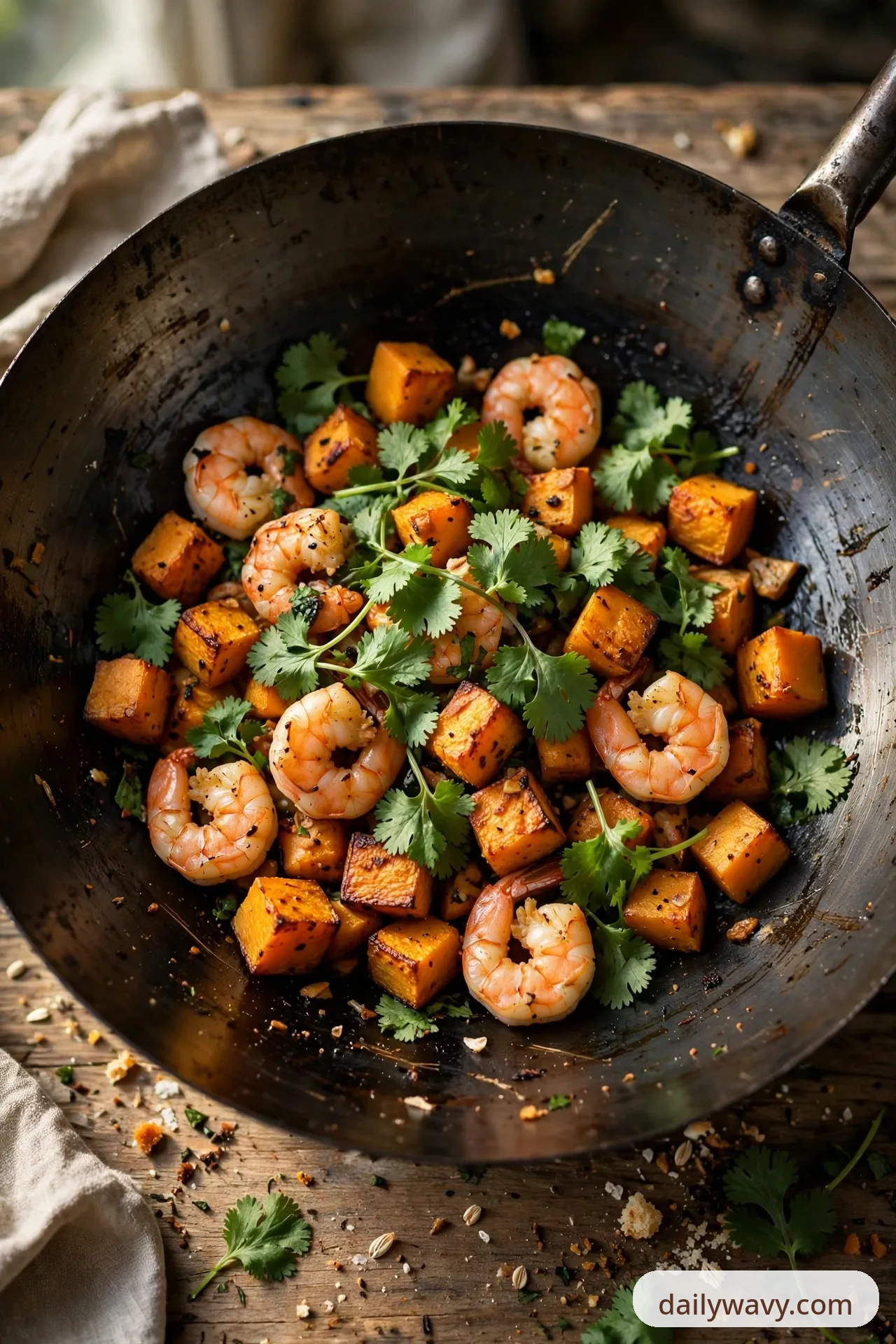
Fresh coriander, the leaves most Americans call cilantro, brings a citrusy brightness that loves sweet roasted-tasting squash. The squash gets golden edges in the hot pan, the shrimp stay plump, and a mountain of fresh herbs finishes it. Simple, fresh, and a little different.
You need (serves 4):
- 1 1/2 pounds large shrimp, peeled and deveined, patted dry
- 1 small butternut squash, peeled and cut into 3/4-inch cubes (about 4 cups)
- 3 tablespoons neutral oil, divided
- 1 teaspoon ground coriander
- 1/2 teaspoon ground cumin
- 1/4 teaspoon cayenne (optional)
- 2 cloves garlic, minced
- 1 tablespoon grated fresh ginger
- 1/2 teaspoon kosher salt
- 2 tablespoons lime juice
- 1 cup loosely packed fresh coriander (cilantro) leaves, plus more to serve
Method:
- Toss the squash with 1 tablespoon oil, the ground coriander, cumin, cayenne, and 1/2 teaspoon salt.
- Heat the remaining 2 tablespoons oil over medium-high heat. Add the squash in a single layer and cook 8 to 10 minutes, turning occasionally, until golden and tender. Transfer to a plate.
- Raise the heat to high. Sear the shrimp 1 to 2 minutes per side. Add the garlic and ginger for the last 20 seconds.
- Return the squash. Add the lime juice and toss 30 seconds.
- Take off the heat and fold in the coriander leaves. Serve over rice with extra herbs.
Timing notes: Butternut squash is dense, so it cooks alone first over medium-high heat. Cut the cubes small, no bigger than three quarters of an inch, so they cook through.
Troubleshooting: If the squash is browning but still hard inside, add 2 tablespoons of water and cover the pan for 2 minutes to steam-finish it.
Storage: Refrigerate up to 3 days. The fresh herbs wilt overnight, so add a fresh handful when serving leftovers.
Substitution: Delicata or acorn squash work the same way. Zucchini is a faster swap and needs only 3 minutes.
14. Shrimp Stir Fry With Tahini And Kale

Creamy tahini, lemony and garlicky, turns this into one of the most satisfying bowls on the list. The kale wilts into dark, silky ribbons that catch the sauce, and toasted sesame seeds add crunch. It tastes rich but eats light.
You need (serves 4):
- 1 1/2 pounds large shrimp, peeled and deveined, patted dry
- 8 ounces kale, stems removed, leaves torn into bite-size pieces
- 1/3 cup tahini
- 3 tablespoons lemon juice
- 2 cloves garlic, grated
- 1/2 teaspoon ground cumin
- 3 to 5 tablespoons warm water, to thin
- 3 tablespoons neutral oil, divided
- 1/2 teaspoon kosher salt
- 1 tablespoon toasted sesame seeds
Method:
- Whisk the tahini, lemon juice, garlic, cumin, and salt. Add warm water a tablespoon at a time until the sauce is pourable but still thick.
- Heat 2 tablespoons oil over high heat. Sear the shrimp 1 to 2 minutes per side until pink. Transfer to a plate.
- Add the remaining oil and the kale. Stir fry 2 to 3 minutes until wilted and dark green. If the pan looks dry, add a tablespoon of water to help it along.
- Return the shrimp. Drizzle over the tahini sauce and toss 30 seconds until everything is coated.
- Sprinkle with sesame seeds and serve over rice, quinoa, or warm pita.
Timing notes: Strip the tough kale stems completely; they stay chewy no matter how long you cook them. The leaves wilt fast once they hit the hot pan.
Troubleshooting: If the tahini sauce seizes into a thick paste when you add the lemon, keep whisking and add warm water. Tahini always tightens before it loosens.
Storage: Refrigerate up to 3 days. The sauce thickens when cold; stir in a teaspoon of warm water when reheating.
Substitution: Use spinach or Swiss chard instead of kale for a quicker wilt. Sunflower seed butter replaces tahini for a sesame-free version.
Frequently asked questions
Can I use frozen shrimp for stir fry?
Yes, and most of us should. Much of the shrimp sold is frozen at sea, so frozen shrimp is often fresher than the “fresh” shrimp at the counter. Thaw overnight in the refrigerator, or place the sealed bag under cold running water for about 20 minutes. Pat the shrimp very dry before cooking.
How do I know when shrimp is done?
Shrimp is done when it is opaque and pink throughout, with firm flesh. The USDA recommends an internal temperature of 145 degrees F. Visually, perfectly cooked shrimp curl into a loose C shape. If they curl into a tight O, they are overcooked.
Why are my shrimp rubbery?
Almost always overcooking. Shrimp need only 1 to 2 minutes per side over high heat. They also continue cooking from residual heat after leaving the pan, so pull them a touch early. A crowded pan steams instead of sears, so cook in batches when needed.
Can I prep stir fry ingredients ahead of time?
Absolutely. Chop all vegetables and mix sauces up to a day ahead and refrigerate separately. Keep the shrimp cold until cooking time. The actual cooking takes about ten minutes for most of these, a little longer for the eggplant and squash versions, so having everything ready, the classic mise en place, is the whole game.
What pan is best for stir fry at home?
A flat-bottomed wok works on most stovetops, but a large heavy skillet or cast iron pan works just as well. What matters is heat capacity: a heavy pan holds its temperature when cold ingredients hit it. Avoid thin nonstick pans for high-heat searing.
How should I store and reheat leftover shrimp stir fry?
Refrigerate within two hours in an airtight container and eat within three days. Reheat gently in a hot skillet for one to two minutes with a splash of water. Microwaving tends to make shrimp tough and rubbery.
A weeknight rotation worth keeping
Fourteen sauces, fourteen vegetables, one reliable method. That is the whole promise of this list: learn the five moves from the primer, and each recipe gets more familiar with practice. If you want more skillet confidence, the technique in our lemon garlic chicken skillet uses the same high-heat searing principles with a different protein, and our chicken thigh sheet pan dinner is the hands-off cousin of these recipes for nights when you do not want to stand at the stove. For the full collection of dinner inspiration, browse the Food & Drink archive. Start with the peanut cabbage tonight, and work your way down the list. Dinner is about to get a lot more interesting.