14 Lemon Garlic Pasta Recipes for Your Dinner Rotation
Some flavor pairs just make sense, and lemon and garlic might be the best example in your whole kitchen. Bright…
Some flavor pairs just make sense, and lemon and garlic might be the best example in your whole kitchen. Bright citrus wakes up mellow garlic, garlic gives lemon something savory to lean on, and together they turn a plain box of pasta into a dinner people ask about. These fourteen recipes all start from that same simple base, then each one takes a different turn with the pasta shape, the vegetable, or the finishing touch, so you can cook your way through the list without ever repeating a plate.
In This Guide
- Lemon Garlic Pasta With Cavatappi And Roasted Garlic
- Lemon Garlic Pasta With Linguine And Olives
- Lemon Garlic Pasta With Gemelli And Artichokes
- Lemon Garlic Pasta With Gnocchetti And Chickpeas
- Lemon Garlic Pasta With Pappardelle And Thyme
- Lemon Garlic Pasta With Macaroni And Cheddar
- Lemon Garlic Pasta With Whole-Wheat Twists
- Lemon Garlic Pasta With Angel Hair And Basil
- Lemon Garlic Pasta With Paccheri And Mozzarella
- Lemon Garlic Pasta With Conchiglie And Spinach
- Lemon Garlic Pasta With Fettuccine And Pine Nuts
- Lemon Garlic Pasta With Rigatoni And White Beans
- Lemon Garlic Pasta With Spaghetti And Parsley
- Lemon Garlic Pasta With Shells And Peas

The Lemon Garlic Pasta Rules Before You Start
Before you pick a recipe, it helps to understand the three things that make every lemon garlic pasta work. Get these right and any of the fourteen below will come out glossy, balanced, and restaurant worthy.
Emulsification is the whole trick. A lemon garlic sauce is really just fat (olive oil or butter), lemon juice, and starchy pasta water shaken together into a creamy coating. The starch in pasta water acts like a binder, so the oil and lemon juice stop fighting and turn into a sauce that clings instead of pooling at the bottom of the bowl. Add the pasta water a splash at a time and toss hard. You will see the sauce change from oily to silky right in front of you.
Reserve your pasta water before you drain. This is the step everyone forgets and the one that matters most. Scoop out at least a cup of the cloudy cooking water just before the pasta finishes, because once it goes down the drain you cannot get it back. (The cheddar sauce in recipe 6 needs only 1/2 cup, since the roux and cheese thicken it.) The water should taste pleasantly salty, like the sea, which seasons the pasta from the inside out.
Mind the sauce-to-pasta ratio. For one pound of dry pasta, plan on roughly half a cup of olive oil or butter plus the lemon juice, then use pasta water to stretch it. The finished dish should look lightly glossed, with every strand or shape coated and just a spoonful of sauce collecting at the bottom. If the pasta looks dry, add more water. If it looks soupy, toss another minute over low heat and let the starch thicken it.
A few more ground rules for this roundup. Every recipe below is served hot and fresh from the pan, so you will not find chilled salads or oven bakes here. Add lemon zest early in the cooking so its oils bloom in the warm fat (the cheddar sauce in recipe 6 adds its zest with the cheese off the heat), but squeeze in the juice at the very end, off the heat, so the flavor stays bright. Cook garlic gently over medium-low heat. Garlic that browns tastes bitter, and there is no fixing it once it burns.
1. Lemon Garlic Pasta With Cavatappi And Roasted Garlic
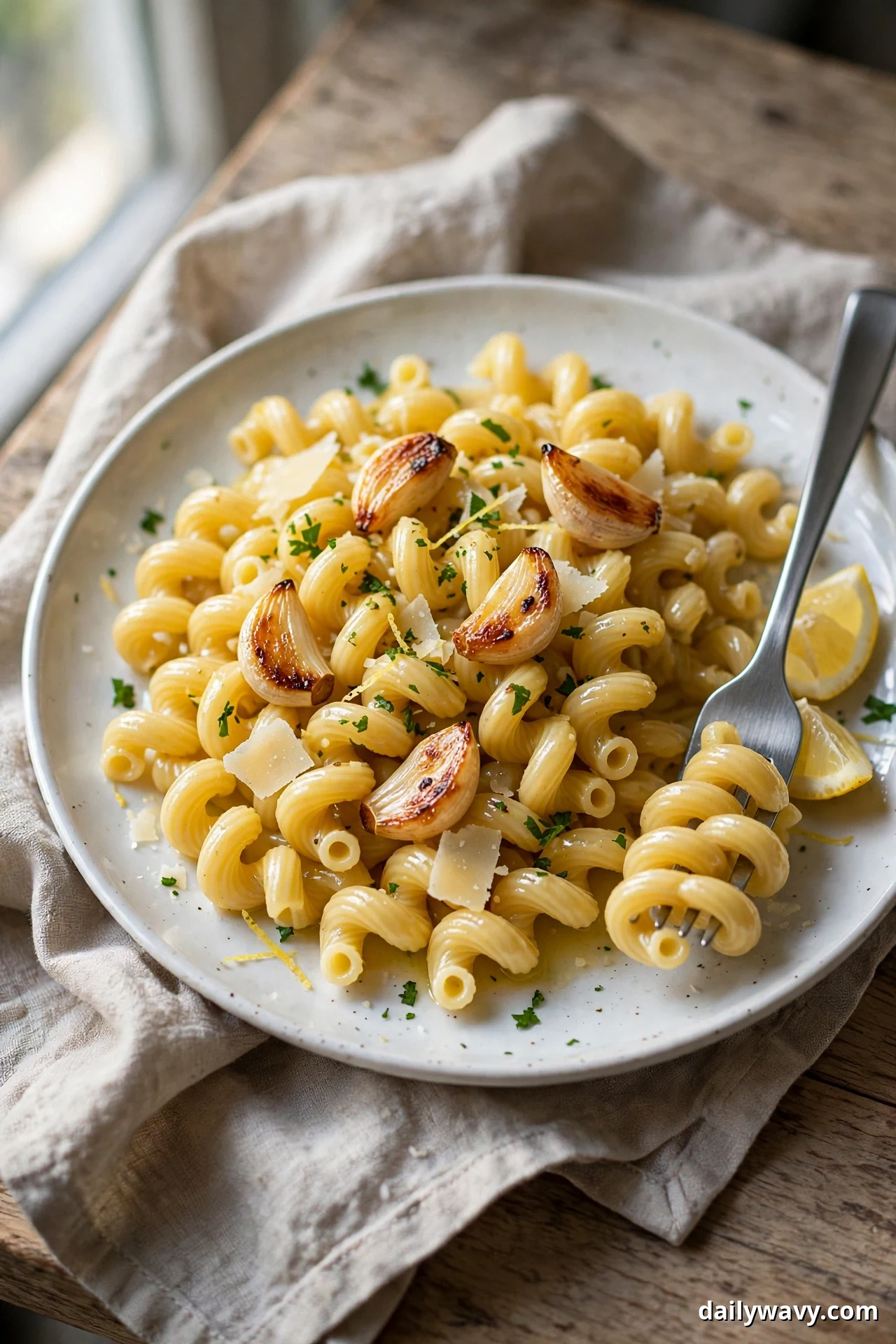
This is the anchor recipe of the whole collection, and the one to make first. A full head of roasted garlic turns soft, sweet, and spreadable in the oven, and when you mash those golden cloves into olive oil with lemon, the sauce tastes deep and mellow instead of sharp. Cavatappi, with its corkscrew ridges, catches the sauce in every groove, so each bite has a little pocket of flavor.
You need (serves 4):
- 1 lb cavatappi
- 1 whole head garlic
- 1/4 cup olive oil plus 1 tablespoon for roasting
- zest and juice of 2 lemons
- 1/2 cup freshly grated Parmesan
- 1/4 cup chopped flat-leaf parsley
- 1 teaspoon kosher salt plus more for the pasta water
- 1/2 teaspoon black pepper
- 1/4 teaspoon red pepper flakes (optional).
Method:
- Heat the oven to 400°F.
- Slice the top off the garlic head to expose the cloves, drizzle with 1 tablespoon olive oil, wrap in foil, and roast 35 to 40 minutes until deeply golden and soft.
- Squeeze the cloves out and mash into a paste.
- Meanwhile, boil the cavatappi in well-salted water until just shy of al dente, reserving 1 cup of pasta water before draining.
- Warm the 1/4 cup olive oil in a large skillet over medium-low heat, stir in the garlic paste and lemon zest for 1 minute, then add the pasta with 1/2 cup pasta water.
- Toss hard for 2 minutes until glossy, adding more water as needed.
- Off the heat, add the lemon juice, Parmesan, parsley, salt, pepper, and red pepper flakes if using.
- Toss once more and serve immediately.
Timing: About 50 minutes total, most of it hands-off roasting time.
If it goes wrong: If the sauce looks oily instead of creamy, you need more pasta water and more tossing. Add 2 tablespoons at a time and keep the pasta moving until it turns silky.
Storage: Cool within 2 hours, refrigerate in a sealed container, and eat within 3 to 4 days. Reheat gently in a skillet with a splash of water, since the microwave makes the sauce gummy.
The flavor here is the baseline everything else builds on. Sweet roasted garlic up front, bright lemon at the finish, and a chewy ridged pasta that holds it all together.
2. Lemon Garlic Pasta With Linguine And Olives
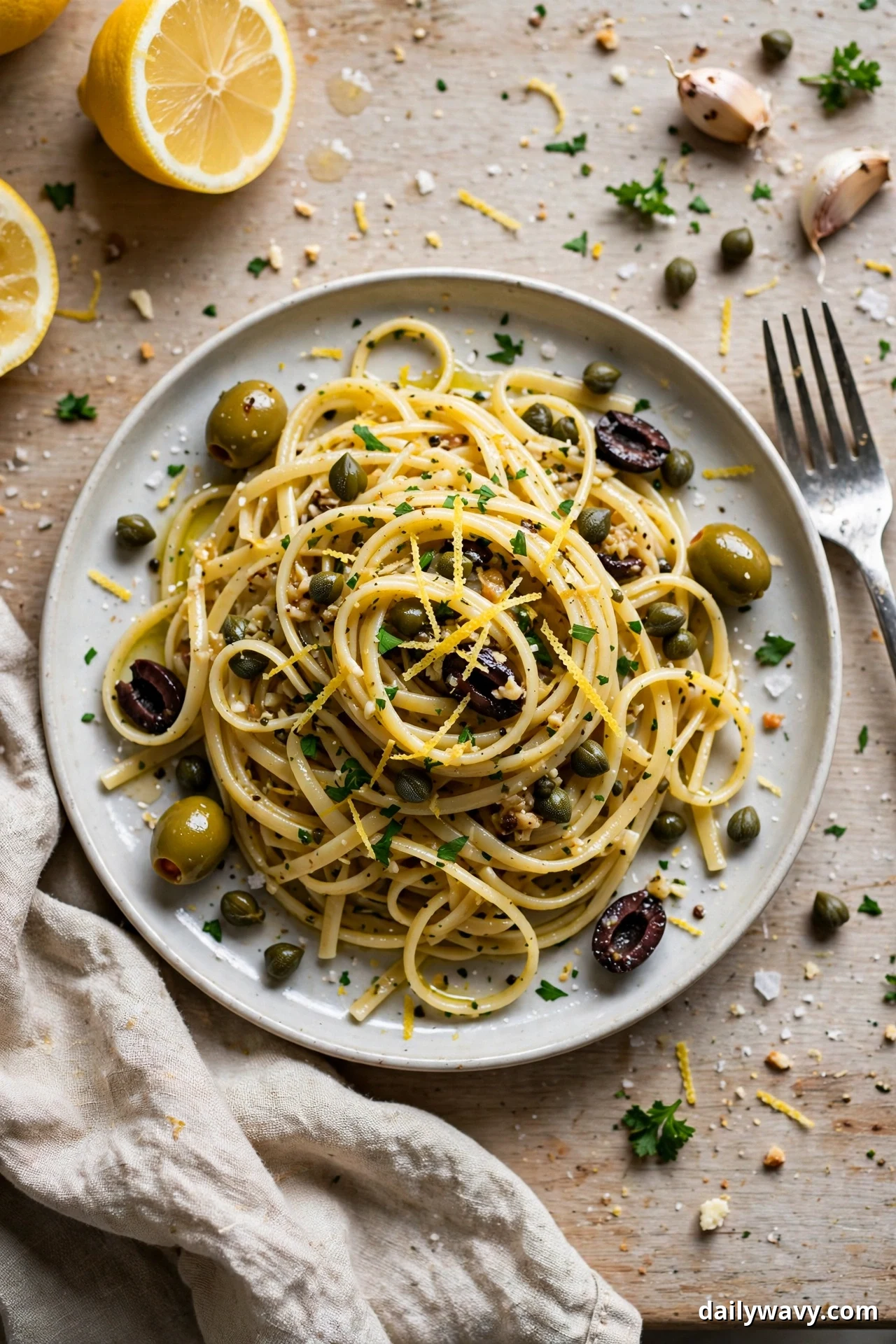
This one leans Mediterranean, briny and punchy. Mixed olives bring a salty depth that plays beautifully against lemon, and a spoonful of capers adds little bursts of sharpness. Linguine is the right vehicle because its flat strands give the olives and garlic slices plenty of surface to cling to.
You need (serves 4):
- 1 lb linguine
- 1/3 cup olive oil
- 5 garlic cloves thinly sliced
- 3/4 cup mixed pitted olives (Castelvetrano and Kalamata work well), halved
- 2 tablespoons capers drained
- zest and juice of 2 lemons
- 1/4 cup chopped flat-leaf parsley
- 1/2 teaspoon kosher salt plus more for the pasta water
- 1/2 teaspoon black pepper.
Method:
- Boil the linguine in well-salted water until just shy of al dente, reserving 1 cup of pasta water.
- While it cooks, warm the olive oil in a large skillet over medium-low heat and cook the garlic slices 2 to 3 minutes until pale gold, not brown.
- Stir in the olives, capers, and lemon zest for 1 minute.
- Add the drained linguine with 1/2 cup pasta water and toss vigorously for 2 minutes, loosening with more water until the sauce coats the strands.
- Off the heat, add the lemon juice, parsley, salt, and pepper.
- Toss and serve right away.
Timing: About 25 minutes.
If it goes wrong: Olives and capers vary wildly in saltiness, so taste before adding the extra salt. You can always add more, but you cannot take it back.
Storage: Cool within 2 hours and refrigerate up to 3 to 4 days. Reheat gently in a skillet with a splash of water. The olives keep their texture well, so this one reheats better than most.
Expect a bolder, saltier plate than the roasted garlic version. The lemon cuts through the brine and keeps every bite lively.
3. Lemon Garlic Pasta With Gemelli And Artichokes

Artichoke hearts have an earthy, almost nutty quality that makes lemon taste even brighter by contrast. Gemelli, those tight little twists, trap bits of artichoke and garlic in their folds. This is the recipe to make when you want something that tastes a little fancy with almost no extra effort, since the artichokes come straight from a can.
You need (serves 4):
- 1 lb gemelli
- 1 can (14 oz) artichoke hearts drained and quartered
- 1/4 cup olive oil
- 4 garlic cloves minced
- zest and juice of 2 lemons
- 1/2 cup freshly grated Parmesan
- 1/4 teaspoon red pepper flakes
- 1/2 teaspoon kosher salt plus more for the pasta water
- 1/2 teaspoon black pepper
- 2 tablespoons chopped parsley.
Method:
- Pat the artichoke hearts dry so they sear instead of steam.
- Boil the gemelli in well-salted water until just shy of al dente, reserving 1 cup of pasta water.
- Heat the olive oil in a large skillet over medium heat and cook the artichokes 3 to 4 minutes until lightly golden at the edges.
- Lower the heat, add the garlic and red pepper flakes, and cook 1 minute until fragrant.
- Add the lemon zest, then the pasta with 1/2 cup pasta water, tossing hard for 2 minutes.
- Off the heat, stir in the lemon juice, Parmesan, parsley, salt, and pepper.
Timing: About 30 minutes.
If it goes wrong: Watery artichokes make a watery sauce. If you skip the patting-dry step, cook them a minute or two longer until the pan looks dry before adding the garlic.
Storage: Refrigerate within 2 hours and eat within 3 to 4 days. Reheat in a skillet with a splash of water to loosen the sauce.
The texture contrast is the point here. Tender pasta, meaty artichoke edges, and a sauce that tastes much more complex than its ingredient list suggests.
4. Lemon Garlic Pasta With Gnocchetti And Chickpeas
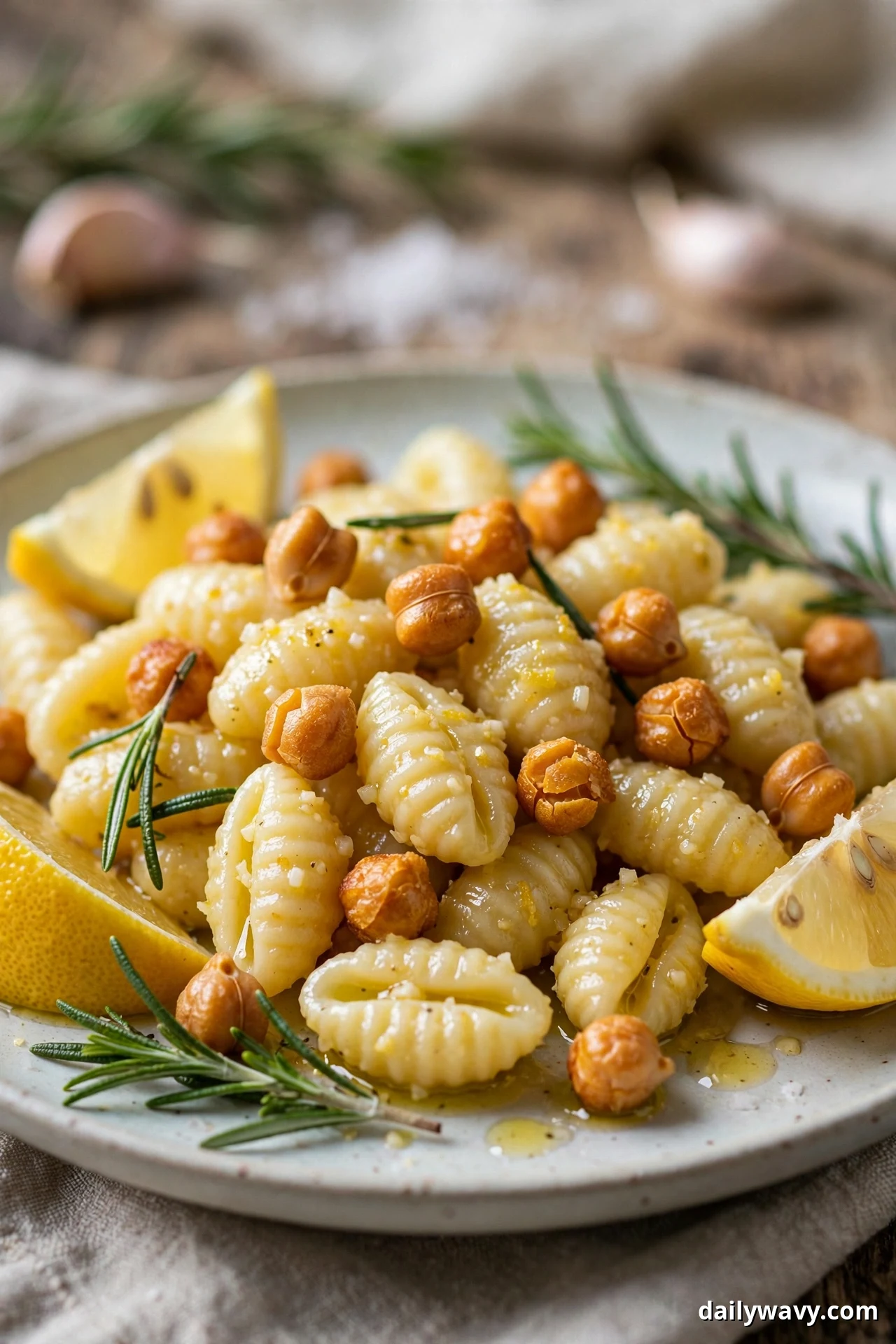
Crisped chickpeas turn this into a genuinely filling dinner, with protein and fiber that keep you full. Gnocchetti, the small ridged shells sometimes labeled as small conchiglie depending on the brand, cup the chickpeas and sauce beautifully. A few sprigs of rosemary crisped in the oil make the whole kitchen smell incredible.
You need (serves 4):
- 1 lb gnocchetti or small shells
- 1 can (15 oz) chickpeas rinsed and patted very dry
- 1/4 cup olive oil
- 4 garlic cloves minced
- 2 sprigs fresh rosemary
- zest and juice of 2 lemons
- 1/2 cup freshly grated Parmesan
- 1/2 teaspoon kosher salt plus more for the pasta water
- 1/2 teaspoon black pepper.
Method:
- Boil the pasta in well-salted water until just shy of al dente, reserving 1 cup of pasta water.
- Heat the olive oil in a large skillet over medium-high heat.
- Add the chickpeas in a single layer and cook 6 to 8 minutes, shaking occasionally, until golden and crisp at the edges.
- Add the rosemary sprigs and cook 30 seconds until fragrant, then remove them.
- Lower the heat to medium-low, add the garlic, and cook 1 minute.
- Stir in the lemon zest, then add the pasta with 1/2 cup pasta water, tossing hard for 2 minutes.
- Off the heat, add the lemon juice, Parmesan, salt, and pepper.
Timing: About 30 minutes.
If it goes wrong: Chickpeas that are still damp will never crisp. Pat them thoroughly with paper towels, and if they are still soft after 8 minutes, give them more time before the garlic goes in, since garlic burns fast at high heat.
Storage: Cool within 2 hours and refrigerate 3 to 4 days. Reheat gently in a skillet with a splash of water. The chickpeas soften on reheating, so crisp a fresh handful in a skillet to top the leftovers if you want the crunch back.
This is the heartiest recipe in the roundup. The chickpeas go nutty and crisp, the rosemary perfumes the oil, and the lemon keeps it from feeling heavy.
5. Lemon Garlic Pasta With Pappardelle And Thyme

Wide pappardelle ribbons with a butter-based sauce feel like the elegant cousin of the olive oil versions. Fresh thyme brings a woodsy, almost floral note that makes the lemon taste rounder and less sharp. This is the one to serve when you want the table to go quiet for a minute.
You need (serves 4):
- 8 oz pappardelle (dried; if using fresh, 12 oz and shorter cook time)
- 3 tablespoons unsalted butter
- 2 tablespoons olive oil
- 4 garlic cloves minced
- 2 teaspoons fresh thyme leaves
- zest and juice of 2 lemons
- 3/4 cup freshly grated Parmesan
- 1/2 teaspoon kosher salt plus more for the pasta water
- 1/2 teaspoon cracked black pepper.
Method:
- Boil the pappardelle in well-salted water until just shy of al dente, reserving 1 cup of pasta water.
- Melt the butter with the olive oil in a large skillet over medium-low heat.
- Add the garlic and thyme and cook 2 minutes until fragrant but not colored.
- Stir in the lemon zest, then add the pasta with 1/2 cup pasta water.
- Toss for 2 minutes until the butter sauce turns glossy and clings to the ribbons.
- Off the heat, add the lemon juice, Parmesan, salt, and pepper, tossing until the cheese melts into the sauce.
Timing: About 25 minutes.
If it goes wrong: Butter sauces break if the pan is too hot when the cheese goes in. Take it fully off the heat first, then add the Parmesan a handful at a time while tossing.
Storage: Cool within 2 hours and refrigerate 3 to 4 days. Reheat low and slow in a skillet with a splash of water; high heat will split the butter sauce.
The texture is pure silk. Wide noodles, a sauce that coats like velvet, and thyme adding a savory perfume that olive oil alone never quite reaches.
6. Lemon Garlic Pasta With Macaroni And Cheddar
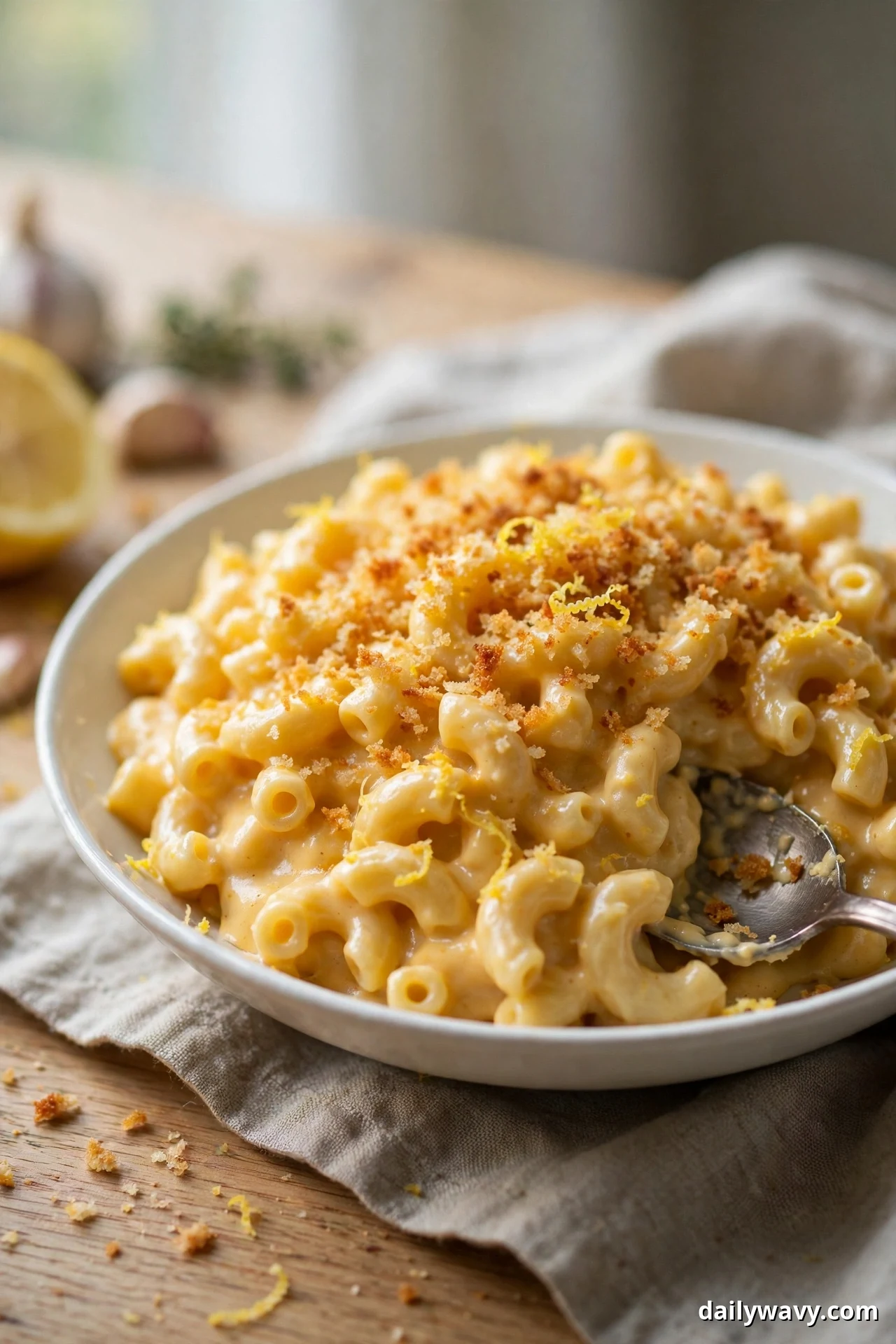
Mac and cheese might sound like an odd fit, but a little lemon zest and garlic cut through the richness and keep the cheddar from feeling one-note. This is all stovetop, no oven bake, so the sauce stays creamy instead of setting firm. It tastes like the comfort food you grew up with, just brighter.
You need (serves 4):
- 1 lb elbow macaroni
- 3 tablespoons unsalted butter
- 4 garlic cloves minced
- 2 tablespoons all-purpose flour
- 2 cups whole milk warmed
- 2 cups shredded sharp cheddar
- zest of 1 lemon plus 1 tablespoon lemon juice
- 1/2 teaspoon mustard powder
- 1/2 teaspoon kosher salt plus more for the pasta water
- 1/4 teaspoon black pepper
- 1/4 cup toasted breadcrumbs for topping (optional).
Method:
- Boil the macaroni in well-salted water until just shy of al dente, reserving 1/2 cup of pasta water; drain.
- In the same pot over medium heat, melt the butter, add the garlic, and cook 1 minute.
- Whisk in the flour and cook 1 minute more, then slowly whisk in the warm milk until smooth.
- Simmer 3 to 4 minutes until slightly thickened.
- Off the heat, whisk in the cheddar a handful at a time until melted, then the mustard powder, lemon zest, and lemon juice.
- Fold in the macaroni, loosening with pasta water a splash at a time until creamy.
- Season with salt and pepper and top with breadcrumbs if using.
Timing: About 30 minutes.
If it goes wrong: Grainy sauce usually means the heat was too high when the cheese went in, or pre-shredded cheese with anti-caking starch was used. Keep the pot off the heat and shred your own cheddar for the smoothest melt.
Storage: Cool within 2 hours and refrigerate 3 to 4 days. Reheat gently with a splash of milk, stirring, to bring the creaminess back.
Kids tend to love this one, and adults are always surprised by how well the lemon works. The zest lifts the cheddar without making it taste sour.
7. Lemon Garlic Pasta With Whole-Wheat Twists

Whole-wheat pasta has a nuttier, heartier flavor than white pasta, and it stands up well to bold garlic and sweet burst cherry tomatoes. The tomatoes soften just enough in the hot pasta to release their juices, which mingle with the lemon and oil into a light, fresh sauce. Nothing heavy here.
You need (serves 4):
- 1 lb whole-wheat rotini or fusilli
- 1/4 cup olive oil
- 5 garlic cloves thinly sliced
- 2 cups cherry tomatoes halved
- zest and juice of 2 lemons
- 1/2 cup freshly grated Parmesan
- 1/4 cup torn basil or chopped parsley
- 1/2 teaspoon kosher salt plus more for the pasta water
- 1/2 teaspoon black pepper.
Method:
- Boil the whole-wheat pasta in well-salted water until just shy of al dente (whole-wheat takes a minute or two longer than white pasta), reserving 1 cup of pasta water.
- Warm the olive oil in a large skillet over medium-low heat and cook the garlic slices 2 to 3 minutes until pale gold.
- Add the cherry tomatoes and cook 2 minutes until they just start to slump.
- Stir in the lemon zest, then add the pasta with 1/2 cup pasta water, tossing hard for 2 minutes.
- Off the heat, add the lemon juice, Parmesan, basil, salt, and pepper.
Timing: About 30 minutes.
If it goes wrong: Whole-wheat pasta can taste gummy if undercooked or chalky if overcooked. Start tasting a minute before the package time and pull it when it still has a firm bite, since it keeps cooking in the sauce.
Storage: Cool within 2 hours and refrigerate 3 to 4 days. Reheat gently in a skillet with a splash of water. The tomatoes soften further overnight but the flavor holds up well.
This is the weeknight-healthful option that does not taste like a compromise. Nutty pasta, jammy tomatoes, and a sauce that feels light but satisfying.
8. Lemon Garlic Pasta With Angel Hair And Basil

Angel hair cooks in about four minutes, which makes this the fastest recipe in the collection. The fine strands drink up the garlic oil beautifully, and a whole cup of torn basil keeps it tasting like summer. Handle the pasta gently, since angel hair clumps if you look at it wrong.
You need (serves 4):
- 1 lb angel hair
- 1/3 cup olive oil
- 6 garlic cloves thinly sliced
- zest and juice of 2 lemons
- 1 cup loosely packed fresh basil leaves torn
- 1/2 cup freshly grated Parmesan
- 1/2 teaspoon kosher salt plus more for the pasta water
- 1/2 teaspoon black pepper
- 1/4 teaspoon red pepper flakes (optional).
Method:
- Boil the angel hair in well-salted water for about 4 minutes until just tender, reserving 1 cup of pasta water before draining.
- Warm the olive oil in a large skillet over medium-low heat and cook the garlic slices 2 minutes until pale gold.
- Stir in the lemon zest and red pepper flakes if using.
- Add the pasta with 1/2 cup pasta water and toss gently but thoroughly for 1 to 2 minutes, loosening with more water as needed and working quickly because the thin strands absorb liquid fast.
- Off the heat, add the lemon juice, basil, Parmesan, salt, and pepper.
- Toss once and serve immediately.
Timing: About 20 minutes.
If it goes wrong: If the angel hair turns into a sticky nest, the pan was too dry or the pasta sat too long before tossing. Have the garlic oil ready and waiting, and move the pasta straight from pot to pan.
Storage: Cool within 2 hours and refrigerate 3 to 4 days, though delicate angel hair is best eaten fresh. Reheat gently with a splash of water.
Light, fragrant, and done before you know it. The basil goes in off the heat so it stays vivid green and peppery instead of turning dark and flat.
9. Lemon Garlic Pasta With Paccheri And Mozzarella
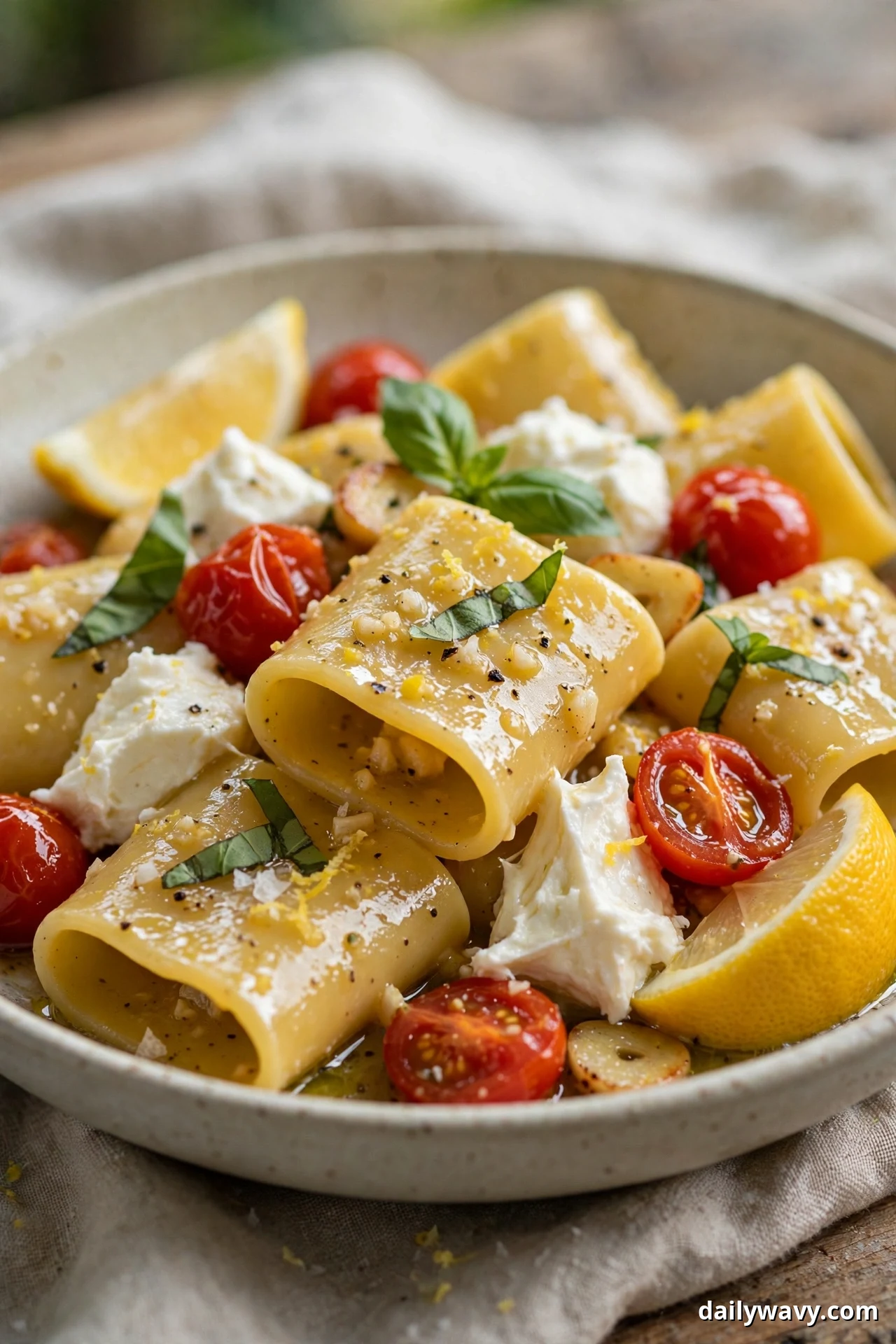
Paccheri are big, smooth tubes that feel luxurious, and torn fresh mozzarella melts into the hot pasta in creamy pockets. Cherry tomatoes add sweetness and color. The trick is timing: the mozzarella goes in off the heat so it softens into strings instead of turning rubbery.
You need (serves 4):
- 1 lb paccheri
- 8 oz fresh mozzarella torn into chunks
- 1/4 cup olive oil
- 4 garlic cloves minced
- 1 1/2 cups cherry tomatoes halved
- zest and juice of 2 lemons
- 1/4 cup torn basil leaves
- 1/2 teaspoon kosher salt plus more for the pasta water
- 1/2 teaspoon black pepper.
Method:
- Boil the paccheri in well-salted water until just shy of al dente (large tubes take a few minutes longer), reserving 1 cup of pasta water.
- Warm the olive oil in a large skillet over medium-low heat and cook the garlic 2 minutes until fragrant.
- Add the cherry tomatoes and cook 2 to 3 minutes until just softened.
- Stir in the lemon zest, then add the pasta with 1/2 cup pasta water, tossing hard for 2 minutes.
- Take the pan fully off the heat, then add the lemon juice and torn mozzarella.
- Toss gently until the cheese starts to melt into creamy strands.
- Finish with basil, salt, and pepper, and serve immediately.
Timing: About 30 minutes.
If it goes wrong: If the mozzarella turns tough and chewy, the pan was too hot when it went in. Low-moisture mozzarella is more forgiving, but fresh mozzarella gives the best creamy result if you respect the off-heat rule.
Storage: Cool within 2 hours and refrigerate 3 to 4 days. The mozzarella firms up when cold; reheat gently in a skillet with a splash of water and it softens again.
Rich, milky, and bright all at once. The big pasta tubes make it feel like a special-occasion dinner, but it is easy enough for a Tuesday.
10. Lemon Garlic Pasta With Conchiglie And Spinach
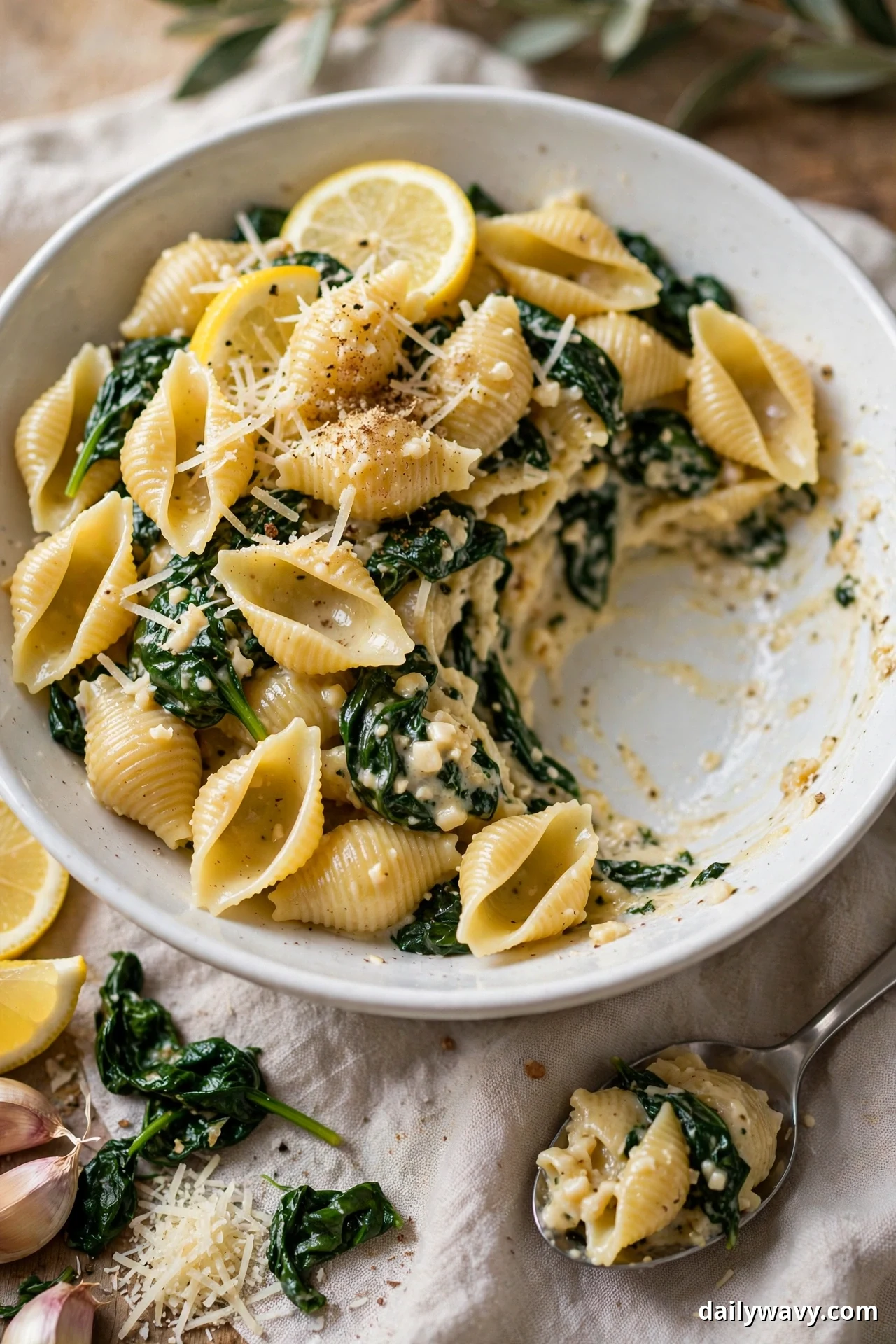
Shells are nature’s little sauce cups, and they are perfect here because each one holds a bit of garlicky sauce and a ribbon of wilted spinach. A pinch of nutmeg is the quiet secret; it deepens the spinach the way it does in classic Italian cooking. This is a great way to get greens into a pasta night without anyone noticing the effort.
You need (serves 4):
- 1 lb medium conchiglie (shells)
- 5 oz baby spinach
- 1/4 cup olive oil
- 4 garlic cloves minced
- zest and juice of 2 lemons
- 1/2 cup freshly grated Parmesan
- 1/8 teaspoon ground nutmeg
- 1/2 teaspoon kosher salt plus more for the pasta water
- 1/2 teaspoon black pepper.
Method:
- Boil the shells in well-salted water until just shy of al dente, reserving 1 cup of pasta water.
- Warm the olive oil in a large skillet over medium-low heat and cook the garlic 2 minutes until fragrant.
- Add the spinach a few handfuls at a time, stirring until just wilted, about 2 minutes.
- Stir in the lemon zest and nutmeg, then add the pasta with 1/2 cup pasta water, tossing hard for 2 minutes.
- Off the heat, add the lemon juice, Parmesan, salt, and pepper, tossing until the cheese melts and the sauce turns lightly creamy.
Timing: About 25 minutes.
If it goes wrong: Too much spinach at once cools the pan and steams instead of wilting. Add it in batches so each handful hits hot oil and collapses quickly.
Storage: Cool within 2 hours and refrigerate 3 to 4 days. Reheat gently in a skillet with a splash of water. The spinach darkens overnight but tastes fine; a fresh squeeze of lemon when reheating wakes it back up.
Comforting and green in equal measure. The shells catch everything, and the nutmeg makes people ask what your secret ingredient is.
11. Lemon Garlic Pasta With Fettuccine And Pine Nuts

Toasted pine nuts taste buttery and almost sweet, and they give this fettuccine a richness that needs no cream. A mix of butter and olive oil in the sauce splits the difference between silky and light. Watch the pine nuts like a hawk while toasting; they go from golden to burnt in under a minute.
You need (serves 4):
- 1 lb fettuccine
- 1/3 cup pine nuts
- 3 tablespoons unsalted butter
- 2 tablespoons olive oil
- 5 garlic cloves minced
- zest and juice of 2 lemons
- 3/4 cup freshly grated Parmesan
- 1/4 cup chopped flat-leaf parsley
- 1/2 teaspoon kosher salt plus more for the pasta water
- 1/2 teaspoon black pepper.
Method:
- Toast the pine nuts in a dry skillet over medium heat 3 to 4 minutes, shaking often, until golden; transfer to a plate immediately so they do not keep cooking.
- Boil the fettuccine in well-salted water until just shy of al dente, reserving 1 cup of pasta water.
- Melt the butter with the olive oil in a large skillet over medium-low heat, add the garlic, and cook 2 minutes.
- Stir in the lemon zest, then add the pasta with 1/2 cup pasta water, tossing hard for 2 minutes.
- Off the heat, add the lemon juice, Parmesan, parsley, salt, and pepper.
- Top with the toasted pine nuts and serve.
Timing: About 30 minutes.
If it goes wrong: Burnt pine nuts taste bitter and ruin the dish. If they catch, throw them out and toast a fresh batch; there is no saving scorched nuts.
Storage: Cool within 2 hours and refrigerate 3 to 4 days. Reheat gently in a skillet with a splash of water. The pine nuts lose their crunch overnight, so toast a small fresh batch to scatter over reheated portions if you want the texture back.
This one tastes expensive. Buttery nuts, wide silky noodles, and lemon keeping it all bright and balanced.
12. Lemon Garlic Pasta With Rigatoni And White Beans

Cannellini beans make this the second hearty, protein-rich option in the roundup, and they turn wonderfully creamy where they meet the hot sauce. Rigatoni’s ridges grab the sauce while the tube openings catch beans. Rosemary is the classic partner for white beans, and it perfumes the whole dish.
You need (serves 4):
- 1 lb rigatoni
- 1 can (15 oz) cannellini beans rinsed and drained
- 1/4 cup olive oil
- 4 garlic cloves minced
- 1 tablespoon chopped fresh rosemary
- zest and juice of 2 lemons
- 1/2 cup freshly grated Parmesan
- 1/2 teaspoon kosher salt plus more for the pasta water
- 1/2 teaspoon black pepper
- 1/4 teaspoon red pepper flakes (optional).
Method:
- Boil the rigatoni in well-salted water until just shy of al dente, reserving 1 cup of pasta water.
- Warm the olive oil in a large skillet over medium heat, add the garlic, rosemary, and red pepper flakes if using, and cook 1 to 2 minutes until fragrant.
- Add the beans and 1/4 cup of the pasta water, and simmer 3 minutes, lightly mashing a few beans with the back of a spoon to thicken the sauce.
- Stir in the lemon zest, then add the pasta with another 1/4 cup pasta water, tossing hard for 2 minutes.
- Off the heat, add the lemon juice, Parmesan, salt, and pepper.
Timing: About 30 minutes.
If it goes wrong: If the sauce feels thin, mash more beans. Their starch is a natural thickener, and a few crushed beans will bring the whole sauce together without any flour or cream.
Storage: Cool within 2 hours and refrigerate 3 to 4 days. This one reheats beautifully in a skillet with a splash of water, and the beans make it even creamier the next day.
Rustic and satisfying. The mashed beans give you a creamy sauce for free, and the rosemary makes it taste like something from a countryside trattoria.
13. Lemon Garlic Pasta With Spaghetti And Parsley
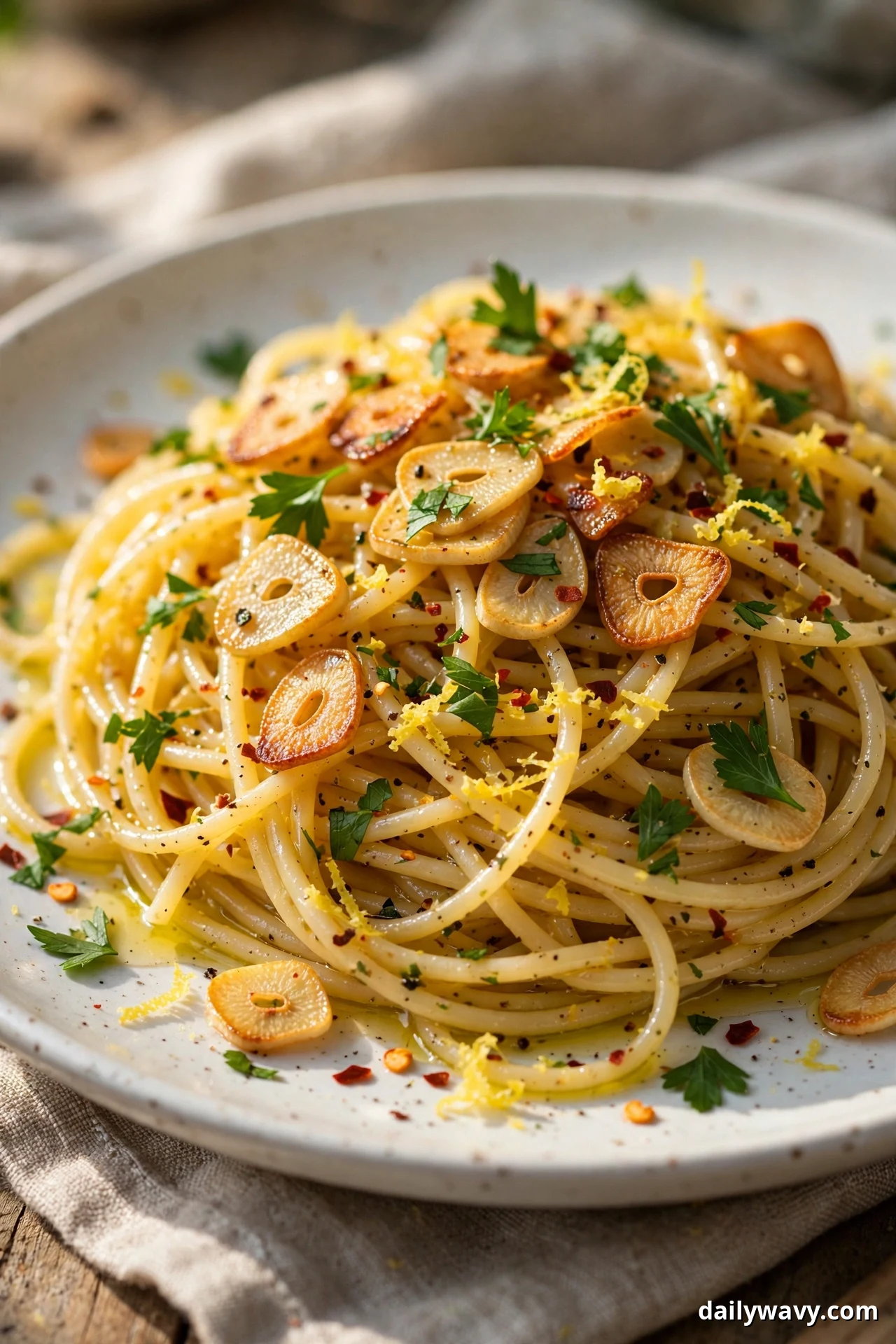
This is the purist’s version, closest to a classic spaghetti aglio e olio with lemon folded in. Thinly sliced garlic turns golden and crisp, a full cup of parsley keeps it fresh and green, and red pepper flakes add a gentle warmth. No cheese needed here, though nobody will stop you.
You need (serves 4):
- 1 lb spaghetti
- 1/2 cup olive oil
- 8 garlic cloves thinly sliced
- zest and juice of 2 lemons
- 1 cup chopped flat-leaf parsley
- 1/2 teaspoon red pepper flakes
- 1 teaspoon kosher salt plus more for the pasta water
- 1/2 teaspoon black pepper.
Method:
- Boil the spaghetti in well-salted water until just shy of al dente, reserving 1 1/2 cups of pasta water (this oil-heavy sauce needs extra).
- Warm the olive oil in a large skillet over medium-low heat.
- Add the garlic slices and red pepper flakes and cook 3 to 4 minutes, stirring, until the garlic is pale gold and crisp at the edges without browning.
- Stir in the lemon zest, then add the pasta with 3/4 cup pasta water, tossing hard for 2 minutes and adding more water until the oil turns into a light, glossy coating.
- Off the heat, add the lemon juice and parsley, toss well, and season with salt and pepper.
Timing: About 25 minutes.
If it goes wrong: The most common mistake is impatience with the garlic. If the heat is too high, the slices brown before the pasta is ready and the whole dish tastes bitter. Medium-low and a watchful eye are all it takes.
Storage: Cool within 2 hours and refrigerate 3 to 4 days. Reheat gently in a skillet with a splash of water. The garlic stays crisp-ish and the parsley fades a little; refresh with a squeeze of lemon and a handful of fresh parsley when serving leftovers.
Simple, bold, and deeply satisfying. This is proof that a handful of good ingredients, treated right, beats a long ingredient list.
14. Lemon Garlic Pasta With Shells And Peas

Sweet peas and fresh mint make this the springtime finale of the collection. Small shells cradle the peas, and a light butter sauce ties it together without weighing it down. Frozen peas are actually ideal here; they are picked and frozen at peak ripeness, so they taste sweeter than most fresh peas out of season.
You need (serves 4):
- 1 lb small shells
- 2 cups frozen peas (no need to thaw)
- 3 tablespoons unsalted butter
- 2 tablespoons olive oil
- 4 garlic cloves minced
- zest and juice of 2 lemons
- 1/2 cup freshly grated Parmesan
- 1/4 cup chopped fresh mint
- 1/2 teaspoon kosher salt plus more for the pasta water
- 1/2 teaspoon black pepper.
Method:
- Boil the shells in well-salted water until just shy of al dente, reserving 1 cup of pasta water.
- Add the frozen peas to the pot for the last 2 minutes of cooking so they heat through.
- Melt the butter with the olive oil in a large skillet over medium-low heat, add the garlic, and cook 2 minutes until fragrant.
- Stir in the lemon zest, then add the drained pasta and peas with 1/2 cup pasta water, tossing hard for 2 minutes.
- Off the heat, add the lemon juice, Parmesan, mint, salt, and pepper.
- Toss and serve immediately.
Timing: About 25 minutes.
If it goes wrong: Mint turns dark and bitter if it cooks. Always add it off the heat at the very end, and chop it just before using so the edges do not oxidize.
Storage: Cool within 2 hours and refrigerate 3 to 4 days. Reheat gently in a skillet with a splash of water. The peas stay sweet and the mint fades gently; a fresh sprinkle of mint on reheated portions brings it back.
Bright, sweet, and cheerful. The mint is unexpected but it works, lifting the lemon into something that tastes like the first warm evening of the year.
Lemon Garlic Pasta Questions
Can I use bottled lemon juice instead of fresh?
Fresh makes a real difference here. Bottled juice tastes flat and slightly metallic next to fresh zest, and since lemon is a headline flavor in every recipe, it is worth squeezing two lemons. If you only have bottled juice, use the zest of the recipe anyway by keeping a lemon on hand; the zest carries most of the aroma.
Why did my sauce turn out greasy instead of creamy?
Almost always one of two things: not enough starchy pasta water, or not enough vigorous tossing. The sauce needs both the starch and the motion to emulsify. Add pasta water a splash at a time and toss hard until you see it turn glossy. If it still looks split, a tablespoon of cold butter tossed in off the heat can help bring it back together.
How do I keep garlic from burning?
Cook it over medium-low heat and give it your full attention for the two or three minutes it needs. Sliced garlic should turn pale gold, minced garlic just fragrant. If it browns, start over; burnt garlic tastes bitter and there is no masking it. Roasted garlic, like in recipe 1, is the forgiving alternative since the oven does the work gently.
Can I make any of these ahead of time?
Lemon garlic pasta is at its best the minute it leaves the pan, because the sauce tightens as it sits. That said, leftovers are still good for 3 to 4 days refrigerated. Cool them within 2 hours of cooking, store in a sealed container, and reheat gently in a skillet with a splash of water to loosen the sauce back up.
What is the best pasta shape for lemon garlic sauce?
Shapes with texture win: ridged rigatoni, twisted gemelli and fusilli, corkscrew cavatappi, and cupped shells all hold sauce in their grooves. Long strands like linguine, fettuccine, and spaghetti work beautifully too when the sauce is tossed hard enough to coat. Avoid very smooth tiny shapes, which let the sauce slide right off.
Can I add protein to these recipes?
Yes, and it is easy. The lemon garlic base welcomes shrimp, sliced chicken breast, or white beans. If you love the lemon garlic combination on chicken, try the lemon garlic chicken skillet for a full main dish built on the same flavors. Cook the protein separately, slice or chop it, and toss it in with the pasta at the end so everything stays tender.
Keep Cooking
Fourteen recipes, one flavor pair, and a whole dinner rotation that never gets boring. Start with the roasted garlic cavatappi to learn the base technique, then follow your cravings: briny olives one night, creamy cheddar the next, sweet peas and mint when you want something light. The method stays the same every time, so each new recipe gets easier than the last.
For more weeknight dinner ideas, browse the chicken thigh sheet pan dinner collection when you want the oven to do the work, or explore everything in Food & Drink for the full recipe library. Save your favorites, and dinner is handled for weeks.