
12 Shrimp Sheet Pan Dinner Ideas with Less Cleanup
A shrimp sheet pan dinner is the weeknight shortcut that delivers: one hot pan, dinner in about 20 to 45…
A shrimp sheet pan dinner is the weeknight shortcut that delivers: one hot pan, dinner in about 20 to 45 minutes depending on the vegetable, and almost nothing to wash. The trick is timing. Dense vegetables go in first, and the shrimp join them for the last few minutes so they turn pink and tender instead of rubbery. Each idea below follows that same rhythm with its own vegetable and seasoning partner, from zucchini and blistered tomatoes to roasted fennel with orange. Every recipe gives you real quantities for four servings, oven times, and a storage plan. Preheat to 425°F and pull out your rimmed baking sheet.
Jump to an idea
- Shrimp Sheet-Pan Dinner with Zucchini and Tomatoes
- Shrimp Sheet-Pan Dinner with Carrots and Cumin
- Shrimp Sheet-Pan Dinner with Squash and Sage
- Shrimp Sheet-Pan Dinner with Asparagus and Lemon
- Shrimp Sheet-Pan Dinner with Cabbage and Caraway
- Shrimp Sheet-Pan Dinner with Mushrooms and Thyme
- Shrimp Sheet-Pan Dinner with Eggplant and Oregano
- Shrimp Sheet-Pan Dinner with Green Beans and Sesame
- Shrimp Sheet-Pan Dinner with Fennel and Orange
- Shrimp Sheet-Pan Dinner with Parsnips and Rosemary
- Shrimp Sheet-Pan Dinner with Snap Peas and Ginger
- Shrimp Sheet-Pan Dinner with Radishes and Dill

The Sheet Pan Rules That Make Shrimp Dinners Work
Every recipe below uses the same equipment: a standard half sheet pan, 18 by 13 inches, with a rim. If your pan is smaller, split the vegetables across two pans instead of crowding one. Crowding is the number one reason sheet pan dinners turn soggy. Food needs space for moisture to escape, so leave a little daylight between pieces.
The cooking sequence never changes. Vegetables roast first because they need 8 to 20 minutes depending on density. Shrimp need only 6 to 8 minutes at 425°F. Add them too early and they turn rubbery; add them in the last stretch and they curl into neat pink C shapes. The FDA recommends cooking shrimp to an internal temperature of 145°F, or until the flesh is opaque and firm, which is exactly what that short final blast delivers.
Plan on 1 1/2 pounds of large shrimp (the 16/20 count size) to serve four people. Use peeled and deveined shrimp so nobody is fussing with shells at the table. Thaw frozen shrimp first under cold running water and pat them very dry; wet shrimp steam instead of searing.
For serving, each recipe below stands alone, but a bowl of rice, quinoa, or crusty bread stretches dinner into a heartier meal and soaks up the pan juices. If you are building a sheet pan habit, our chicken thigh sheet pan dinner ideas follow the same sequencing rules with a longer protein roast, so the method will feel familiar.
1. Shrimp Sheet-Pan Dinner with Zucchini and Tomatoes
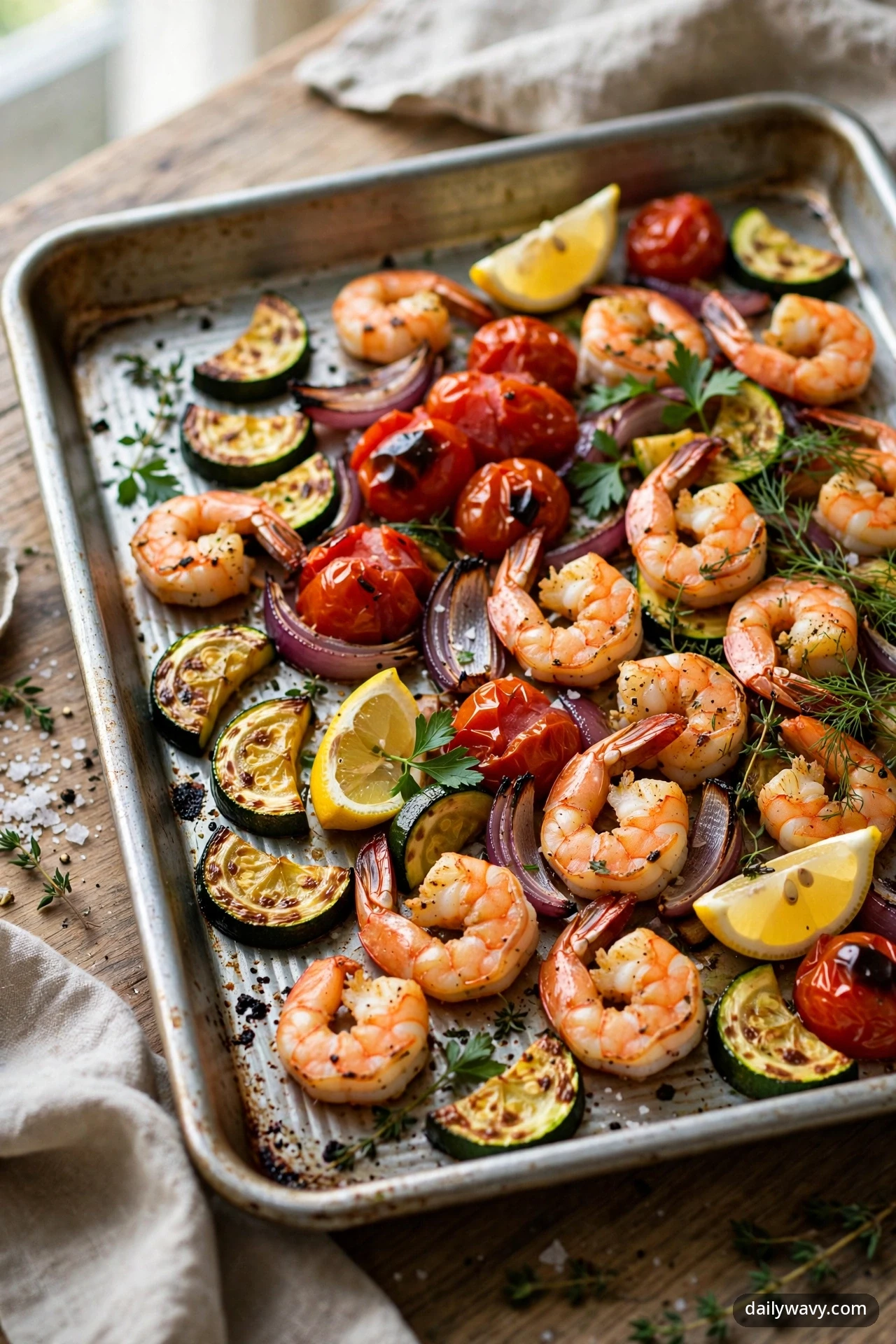
This is the recipe to make when summer produce is piled on the counter. Zucchini softens into golden edges, cherry tomatoes collapse into little bursts of juice, and the shrimp pick up the juices. The whole pan smells like garlic and warm olive oil before you even sit down.
What you need (serves 4): 1 1/2 lb large shrimp, peeled and deveined; 3 medium zucchini cut into 1/2-inch half-moons; 2 cups cherry tomatoes, halved; 1/2 red onion cut into thin wedges; 5 tbsp olive oil, divided; 4 cloves garlic, minced; 2 tsp Italian seasoning; 1 tsp kosher salt; 1/2 tsp black pepper; lemon wedges for serving.
Method: Heat the oven to 425°F. Toss the zucchini and onion with 2 tbsp olive oil, the Italian seasoning, and 1/2 tsp salt. Spread in a single layer and roast 15 minutes. Meanwhile toss the shrimp with 3 tbsp olive oil, garlic, remaining salt, and pepper. Add the shrimp and tomatoes to the pan, stir once, and roast 7 to 8 minutes more until the shrimp are opaque and pink.
Timing: 15 minutes for the vegetables, 7 to 8 minutes for the shrimp, about 30 minutes total with prep.
If it goes sideways: Watery zucchini means the pan was crowded. Give every piece elbow room and cut the half-moons a touch thicker next time.
Store it: Refrigerate leftovers within 2 hours and eat within 3 days. Reheat gently in a skillet so the shrimp do not overcook.
Why it works: The tomatoes burst and create a light pan sauce with zero effort, and a squeeze of lemon at the end keeps the whole dish bright instead of heavy.
2. Shrimp Sheet-Pan Dinner with Carrots and Cumin

Earthy, sweet, and warmly spiced, this is the dinner for a chilly evening. The carrots caramelize at the edges, cumin gives them a smoky depth, and a touch of honey helps everything gloss up. The shrimp stay the fresh, juicy contrast to all that roasted sweetness.
What you need (serves 4): 1 1/2 lb large shrimp, peeled and deveined; 1 1/4 lb carrots cut into 1/4-inch coins; 3 tbsp olive oil, divided; 2 tsp ground cumin; 1 tsp smoked paprika; 1 tbsp honey; 4 cloves garlic, minced; 1 tsp kosher salt; 1/2 tsp black pepper; fresh cilantro for serving.
Method: Heat the oven to 425°F. Toss the carrots with 2 tbsp olive oil, cumin, smoked paprika, honey, and 1/2 tsp salt. Spread in a single layer and roast 20 minutes, stirring once. Toss the shrimp with 1 tbsp olive oil, garlic, remaining salt, and pepper. Add to the pan and roast 7 to 8 minutes until the shrimp are opaque.
Timing: 20 minutes for the carrots, 7 to 8 minutes for the shrimp, about 35 minutes total with prep.
If it goes sideways: Unevenly cooked carrots almost always come from uneven cuts. Keep the coins thin and uniform, and the centers will tenderize right on schedule.
Store it: Refrigerate within 2 hours; good for up to 3 days. The carrots reheat beautifully even if the shrimp need a gentle hand.
Why it works: Cumin and carrot are a classic pairing because the spice’s warmth plays off the vegetable’s natural sugar. The honey helps the edges caramelize.
3. Shrimp Sheet-Pan Dinner with Squash and Sage

Butternut squash turns candy-sweet in a hot oven, and crispy sage leaves are the savory counterpoint. This one feels like an autumn dinner party but takes about 35 minutes, like most recipes here. A pinch of nutmeg ties it together without anyone quite identifying it.
What you need (serves 4): 1 1/2 lb large shrimp, peeled and deveined; 1 1/2 lb butternut squash cut into 3/4-inch cubes; 12 fresh sage leaves; 4 tbsp olive oil, divided; 1 tsp kosher salt; 1/2 tsp black pepper; 1/4 tsp ground nutmeg; 4 cloves garlic, minced.
Method: Heat the oven to 425°F. Toss the squash with 3 tbsp olive oil, 1/2 tsp salt, pepper, and nutmeg. Spread in a single layer and roast 20 minutes until the edges brown. Toss the shrimp with 1 tbsp olive oil, garlic, and remaining salt. Add the shrimp and sage leaves to the pan and roast 7 to 8 minutes until the shrimp are opaque and the sage is crisp.
Timing: 20 minutes for the squash, 7 to 8 minutes for the shrimp, about 35 minutes total with prep.
If it goes sideways: Pale, soft squash means it needed more time. Give it the full 20 minutes before the shrimp go in; the shrimp can wait in the bowl.
Store it: Refrigerate within 2 hours; eat within 3 days. The squash holds its texture well on day two.
Why it works: Sweet squash plus salty, crisp sage is a restaurant combination that costs very little. The sage fries in the pan drippings and perfumes the shrimp.
4. Shrimp Sheet-Pan Dinner with Asparagus and Lemon
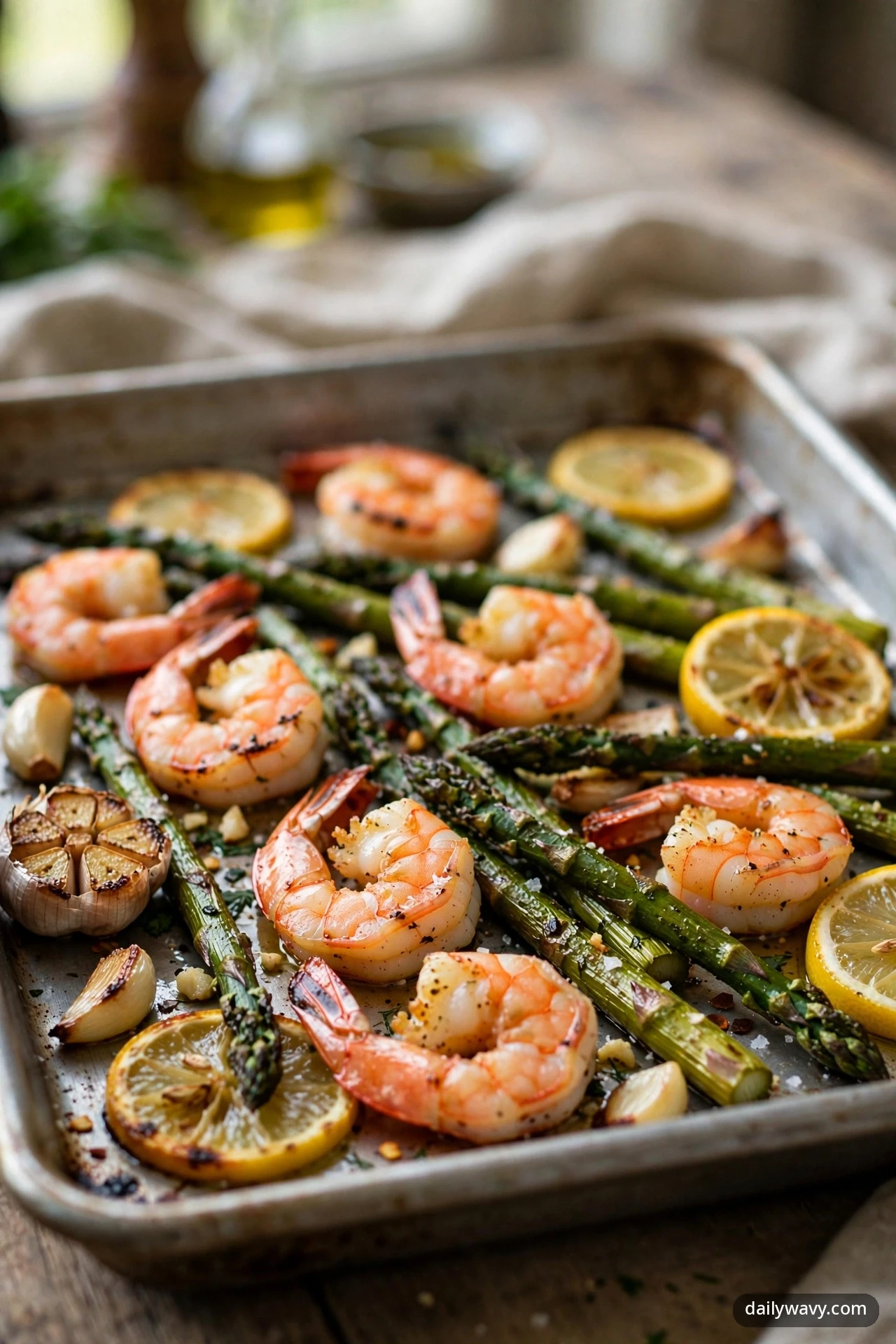
One of the fastest recipes in the collection. Asparagus needs barely 10 minutes, so this whole dinner lands in about 25 minutes. Lemon slices roast right on the pan until their edges char, and Parmesan goes over everything at the end for a salty finish. If you love our lemon garlic chicken skillet, this is its sheet pan cousin.
What you need (serves 4): 1 1/2 lb large shrimp, peeled and deveined; 1 1/2 lb asparagus, woody ends snapped off; 1 lemon, thinly sliced; 4 tbsp olive oil, divided; 4 cloves garlic, minced; 1 tsp kosher salt; 1/2 tsp black pepper; 1/4 cup grated Parmesan.
Method: Heat the oven to 425°F. Toss the asparagus with 3 tbsp olive oil, 1/2 tsp salt, and pepper. Spread in a single layer and roast 10 minutes. Toss the shrimp with 1 tbsp olive oil, garlic, and remaining salt. Add the shrimp and lemon slices to the pan and roast 7 to 8 minutes until the shrimp are opaque. Shower with Parmesan before serving.
Timing: 10 minutes for the asparagus, 7 to 8 minutes for the shrimp, about 25 minutes total with prep.
If it goes sideways: Burnt asparagus tips happen with very thin spears. Choose medium-thick spears and keep an eye on them during the first roast.
Store it: Refrigerate within 2 hours; eat within 3 days. Asparagus softens on reheating, so this one is best the first night.
Why it works: Charred lemon is the standout here. Roasting tames its acidity and adds a smoky, caramelized note that fresh lemon juice cannot match.
5. Shrimp Sheet-Pan Dinner with Cabbage and Caraway
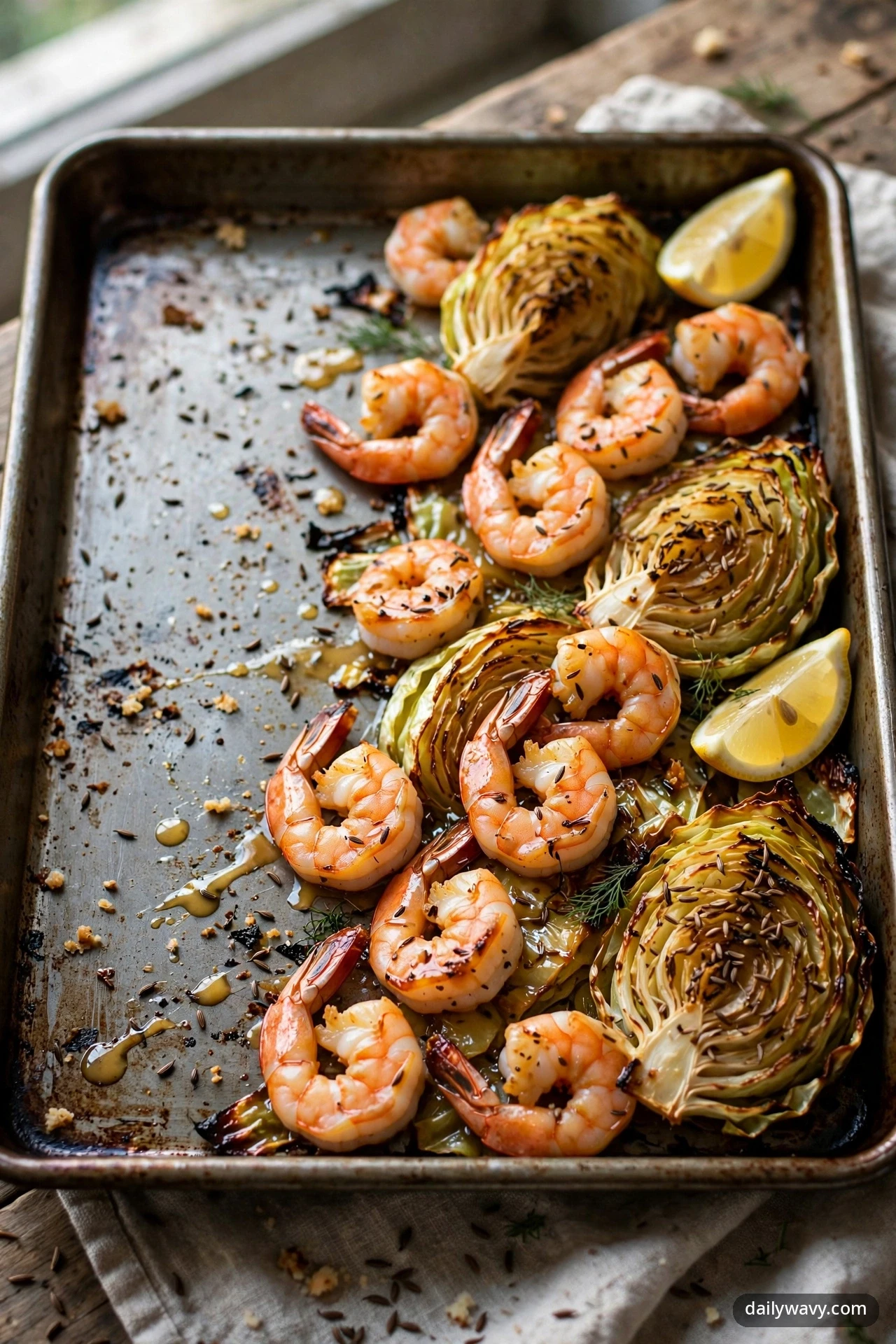
Roasting transforms cabbage. The wedges turn sweet and nutty at the edges while the centers stay tender, and caraway seeds give the whole pan a rye-bread warmth. A smear of Dijon and a splash of vinegar at the end keep it from feeling one-note. It is also a budget-friendly dinner in this roundup.
What you need (serves 4): 1 1/2 lb large shrimp, peeled and deveined; 1 small green cabbage cut into 8 wedges through the core; 4 tbsp olive oil, divided; 1 tbsp caraway seeds; 2 tsp Dijon mustard; 1 tbsp apple cider vinegar; 4 cloves garlic, minced; 1 tsp kosher salt; 1/2 tsp black pepper.
Method: Heat the oven to 425°F. Brush the cabbage wedges all over with 3 tbsp olive oil and sprinkle with the caraway seeds and 1/2 tsp salt. Lay them cut-side down in a single layer and roast 18 minutes until the undersides brown. Toss the shrimp with 1 tbsp olive oil, garlic, Dijon, remaining salt, and pepper. Add to the pan and roast 7 to 8 minutes until the shrimp are opaque. Drizzle with the vinegar before serving.
Timing: 18 minutes for the cabbage, 7 to 8 minutes for the shrimp, about 35 minutes total with prep.
If it goes sideways: Steamed, pale cabbage means the heat never reached the cut sides. Use the full 425°F and make sure the wedges sit flat on the pan, not stacked.
Store it: Refrigerate within 2 hours; eat within 3 days. Leftover cabbage is excellent tucked into a wrap with the shrimp.
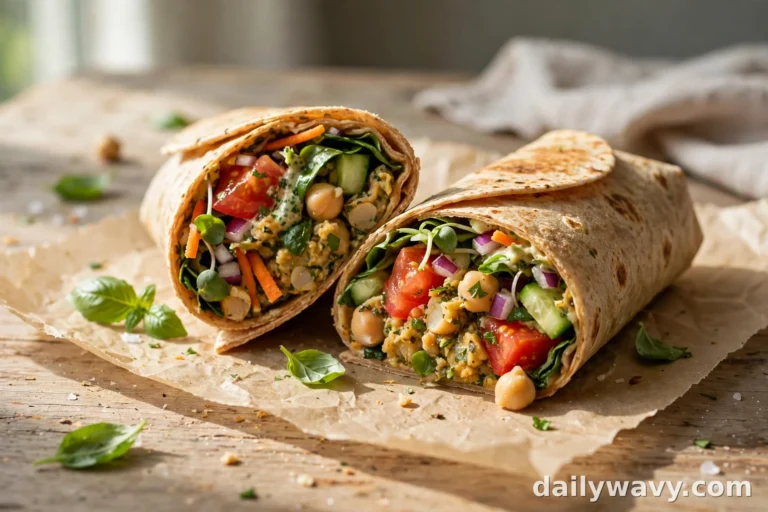
Why it works: Caraway and cabbage are natural partners, and the mustard-vinegar finish lifts the roasted sweetness the way pickles lift a sandwich. For another easy weeknight idea in the same spirit, our chickpea wrap is a great lunch follow-up.
6. Shrimp Sheet-Pan Dinner with Mushrooms and Thyme
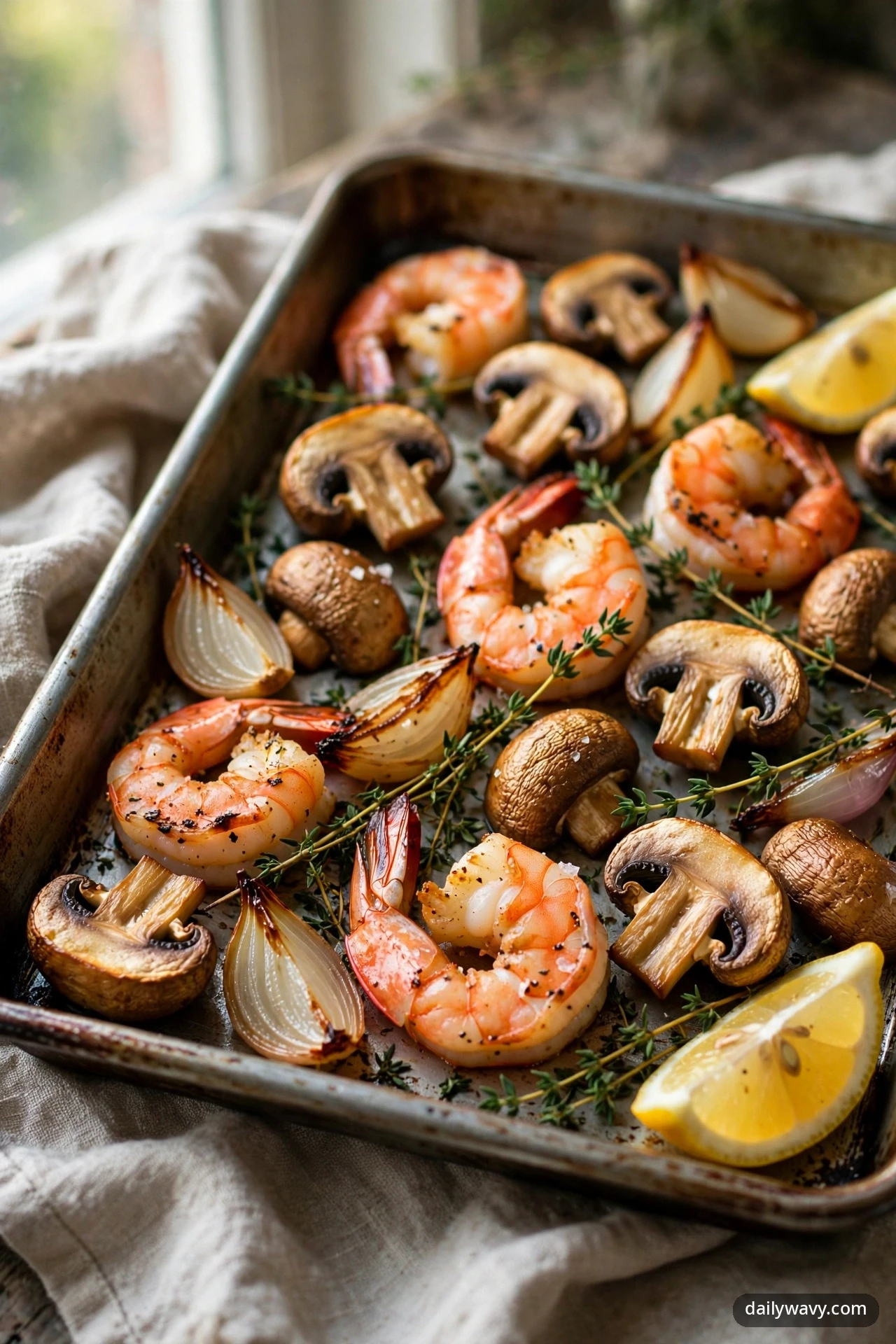
Mushrooms are the umami workhorse here. They shrink, brown, and concentrate into something almost meaty, and fresh thyme threads through everything. Shallots roast into sweet ribbons. This is the dinner for people who think they do not like mushrooms, because roasting changes the entire experience.
What you need (serves 4): 1 1/2 lb large shrimp, peeled and deveined; 1 lb cremini mushrooms, halved; 1 shallot, thinly sliced; 6 fresh thyme sprigs; 4 tbsp olive oil, divided; 4 cloves garlic, minced; 1 tsp kosher salt; 1/2 tsp black pepper; 1 tbsp lemon juice.
Method: Heat the oven to 425°F. Toss the mushrooms, shallot, and thyme with 3 tbsp olive oil and 1/2 tsp salt. Spread in a single layer and roast 15 minutes until the mushrooms release their liquid and start to brown. Toss the shrimp with 1 tbsp olive oil, garlic, remaining salt, and pepper. Add to the pan and roast 7 to 8 minutes until the shrimp are opaque. Finish with lemon juice and discard the thyme stems.
Timing: 15 minutes for the mushrooms, 7 to 8 minutes for the shrimp, about 30 minutes total with prep.
If it goes sideways: Watery mushrooms usually come from crowding. Keep a single layer and let the hot pan do the work.
Store it: Refrigerate within 2 hours; eat within 3 days. The mushrooms reheat better than the shrimp, so warm leftovers gently.
Why it works: Browned mushrooms have a deep savoriness that makes this one of the most satisfying dinners here. The thyme and lemon keep it fresh rather than heavy.
7. Shrimp Sheet-Pan Dinner with Eggplant and Oregano

Eggplant gets a bad reputation from undercooked, spongy versions. Roasted properly at high heat with enough oil, the cubes turn creamy inside and crisp at the edges, almost like little croutons. Oregano and cherry tomatoes push it toward a deconstructed Mediterranean plate.
What you need (serves 4): 1 1/2 lb large shrimp, peeled and deveined; 1 large eggplant cut into 1-inch cubes; 1 cup cherry tomatoes, halved; 4 tbsp olive oil, divided; 2 tsp dried oregano; 4 cloves garlic, minced; 1 tablespoon kosher salt (for salting the eggplant); 1 tsp kosher salt; 1/2 tsp black pepper; 2 tbsp chopped fresh parsley.
Method: Toss the eggplant with 1 tbsp salt and let it sit in a colander 15 minutes. Pat completely dry. Heat the oven to 425°F. Toss the eggplant with 3 tbsp olive oil, oregano, and 1/2 tsp salt. Spread in a single layer and roast 20 minutes, stirring once. Toss the shrimp with 1 tbsp olive oil, garlic, remaining salt, and pepper. Add the shrimp and tomatoes to the pan and roast 7 to 8 minutes until the shrimp are opaque. Scatter with parsley.
Timing: 15 minutes of salting plus 20 minutes of roasting for the eggplant, 7 to 8 minutes for the shrimp, about 45 minutes total with prep.
If it goes sideways: Spongy eggplant means it skipped the salting or needed more oil. The 15-minute salt rest draws out bitterness and moisture, so do not skip it.
Store it: Refrigerate within 2 hours; eat within 3 days. The eggplant soaks up flavor overnight and is excellent at room temperature.
Why it works: Salting changes eggplant’s texture before it ever hits the oven. Paired with oregano, it tastes like a highlight of a Greek taverna spread.
8. Shrimp Sheet-Pan Dinner with Green Beans and Sesame

This one borrows the flavors of a stir-fry and lets the oven do the work. Green beans blister and wrinkle, the shrimp turn pink in a soy-ginger glaze, and toasted sesame seeds add crunch. It has takeout-style flavor, and dinner is done in half an hour with one pan to wash.
What you need (serves 4): 1 1/2 lb large shrimp, peeled and deveined; 1 1/2 lb green beans, trimmed; 2 tbsp soy sauce; 1 tbsp sesame oil; 1 tbsp grated fresh ginger; 4 cloves garlic, minced; 3 tbsp neutral oil, divided; 1/2 tsp black pepper; 2 tbsp sesame seeds; sliced scallions for serving.
Method: Heat the oven to 425°F. Toss the green beans with 2 tbsp neutral oil and the black pepper. Spread in a single layer and roast 12 minutes until blistered in spots. Toss the shrimp with 1 tbsp neutral oil, soy sauce, sesame oil, ginger, and garlic. Add to the pan and roast 7 to 8 minutes until the shrimp are opaque. Scatter with sesame seeds and scallions.
Timing: 12 minutes for the green beans, 7 to 8 minutes for the shrimp, about 30 minutes total with prep.
If it goes sideways: Squeaky, underdone beans just need a few more minutes. Blistered spots are the goal, so do not pull them early out of caution.
Store it: Refrigerate within 2 hours; eat within 3 days. The sesame flavor holds up well on day two.
Why it works: High-heat roasting gives green beans the same blistered texture a wok would, and the soy-ginger glaze clings to both the beans and the shrimp.
9. Shrimp Sheet-Pan Dinner with Fennel and Orange
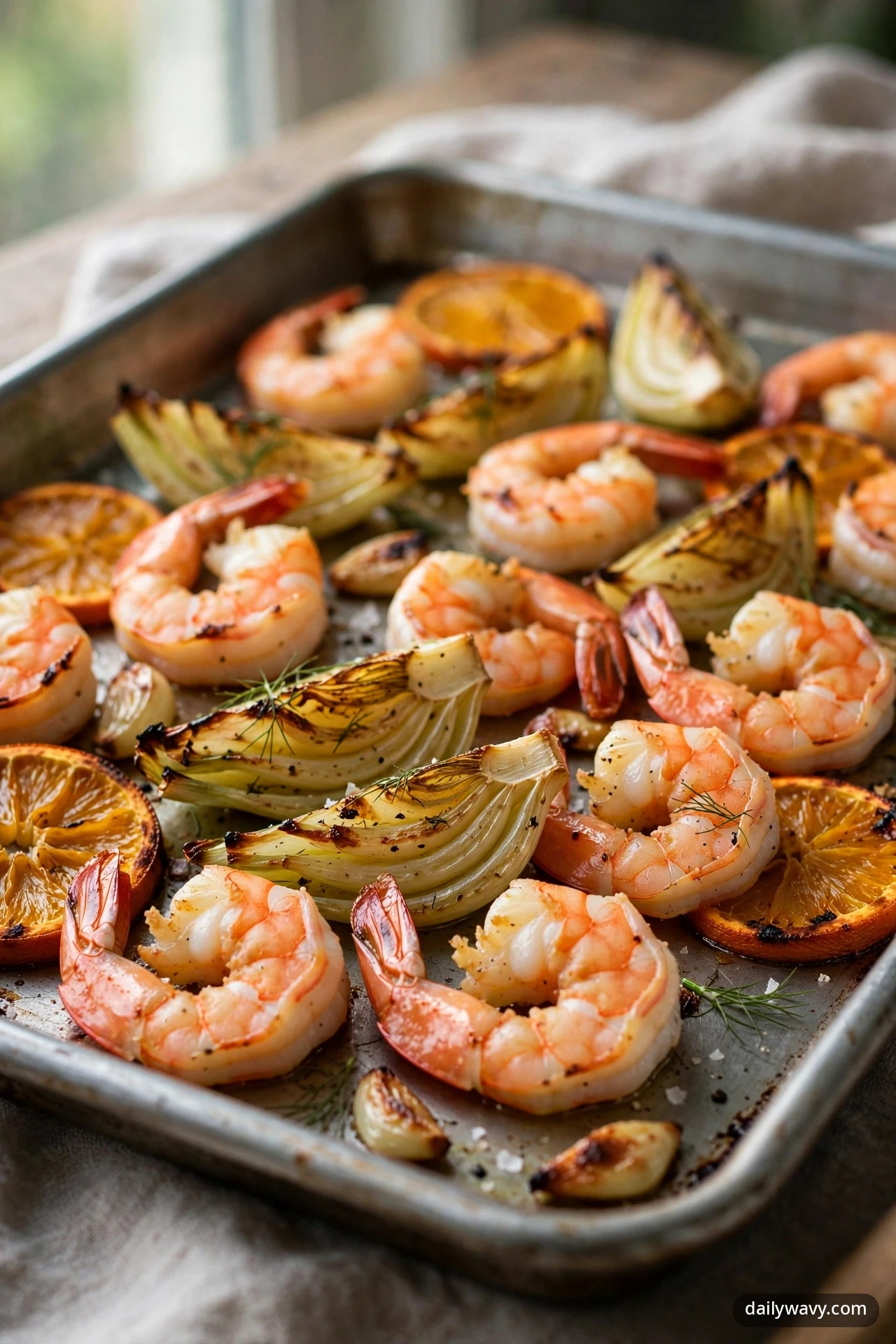
This is an elegant dinner in the collection. Fennel roasts into something sweet and silky, nothing like its raw crunch, and orange slices caramelize at the edges. Fennel seeds echo the anise note. Serve it when you want a weeknight dinner that looks like it came from a restaurant.
What you need (serves 4): 1 1/2 lb large shrimp, peeled and deveined; 2 fennel bulbs cut into 1/2-inch wedges, fronds reserved; 1 orange, thinly sliced; 4 tbsp olive oil, divided; 1 tsp fennel seeds; 4 cloves garlic, minced; 1 tsp kosher salt; 1/2 tsp black pepper.
Method: Heat the oven to 425°F. Toss the fennel wedges with 3 tbsp olive oil, fennel seeds, and 1/2 tsp salt. Spread in a single layer and roast 20 minutes until the edges brown. Toss the shrimp with 1 tbsp olive oil, garlic, remaining salt, and pepper. Add the shrimp and orange slices to the pan and roast 7 to 8 minutes until the shrimp are opaque. Top with the reserved fennel fronds.
Timing: 20 minutes for the fennel, 7 to 8 minutes for the shrimp, about 35 minutes total with prep.
If it goes sideways: Tough, fibrous fennel comes from thick cuts. Keep the wedges slim and give them the full 20-minute head start.
Store it: Refrigerate within 2 hours; eat within 3 days. The fennel’s sweetness deepens overnight.
Why it works: Heat transforms fennel from licorice-crisp to honeyed and soft. The orange slices perfume the whole pan as they caramelize.
10. Shrimp Sheet-Pan Dinner with Parsnips and Rosemary

Parsnips are an underrated root vegetable. They roast into creamy, honeyed sticks that taste like a cross between carrots and potatoes, and rosemary’s piney punch keeps them from tasting too sweet. A swipe of honey-mustard glaze on the parsnips ties the whole pan together.
What you need (serves 4): 1 1/2 lb large shrimp, peeled and deveined; 1 1/4 lb parsnips cut into 3-inch sticks; 2 tbsp chopped fresh rosemary; 4 tbsp olive oil, divided; 1 tbsp honey; 2 tsp Dijon mustard; 4 cloves garlic, minced; 1 tsp kosher salt; 1/2 tsp black pepper.
Method: Heat the oven to 425°F. Toss the parsnips with 3 tbsp olive oil, the rosemary, honey, Dijon, and 1/2 tsp salt. Spread in a single layer and roast 20 minutes until golden and tender. Toss the shrimp with 1 tbsp olive oil, garlic, remaining salt, and pepper. Add to the pan and roast 7 to 8 minutes until the shrimp are opaque.
Timing: 20 minutes for the parsnips, 7 to 8 minutes for the shrimp, about 35 minutes total with prep.
If it goes sideways: Dry, woody parsnips usually have thick cores. Halve large parsnips lengthwise and cut out the woody center before roasting.
Store it: Refrigerate within 2 hours; eat within 3 days. Parsnips reheat beautifully in a hot oven for 5 minutes.
Why it works: The honey-mustard coating caramelizes on the parsnips and mingles with the shrimp juices, making a light glaze that needs no extra sauce.
11. Shrimp Sheet-Pan Dinner with Snap Peas and Ginger

A green, fresh dinner. Snap peas need only 8 minutes, so the timing is tight and fast, and they stay bright and snappy. Ginger and garlic turn fragrant in the heat, and a splash of soy brings it all together. This is the one to make when you want dinner on the table in about 20 minutes.
What you need (serves 4): 1 1/2 lb large shrimp, peeled and deveined; 1 lb sugar snap peas, strings removed; 1 tbsp grated fresh ginger; 4 cloves garlic, thinly sliced; 2 tbsp soy sauce; 3 tbsp neutral oil, divided; 1/2 tsp black pepper; 1 tsp toasted sesame oil; sliced scallions for serving.
Method: Heat the oven to 425°F. Toss the snap peas with 2 tbsp neutral oil and the black pepper. Spread in a single layer and roast 8 minutes. Toss the shrimp with 1 tbsp neutral oil, ginger, garlic, and soy sauce. Add to the pan and roast 7 to 8 minutes until the shrimp are opaque. Drizzle with sesame oil and scatter with scallions.
Timing: 8 minutes for the snap peas, 7 to 8 minutes for the shrimp, about 20 minutes total with prep.
If it goes sideways: Overcooked snap peas go limp and dull. Keep the first roast short; they will finish while the shrimp cook.
Store it: Refrigerate within 2 hours; eat within 3 days. This one is best fresh, since the peas lose their snap overnight.
Why it works: The contrast is everything. Snappy, sweet peas against juicy shrimp, with ginger and sesame bridging the two. Nothing here tastes heavy.
12. Shrimp Sheet-Pan Dinner with Radishes and Dill

Raw radishes are peppery and sharp. Roasted radishes are a different vegetable entirely: mild, buttery, and faintly sweet. This recipe tends to surprise cooks. Fresh dill and lemon go on at the end, and the whole pan tastes like spring, even in the middle of winter.
What you need (serves 4): 1 1/2 lb large shrimp, peeled and deveined; 1 1/2 lb radishes, halved; 3 tbsp chopped fresh dill, divided; 1 lemon, half juiced and half cut into wedges; 4 tbsp olive oil, divided; 4 cloves garlic, minced; 1 tsp kosher salt; 1/2 tsp black pepper.
Method: Heat the oven to 425°F. Toss the radishes with 3 tbsp olive oil and 1/2 tsp salt. Spread in a single layer and roast 18 minutes until tender and lightly browned. Toss the shrimp with 1 tbsp olive oil, garlic, remaining salt, pepper, and half the dill. Add to the pan and roast 7 to 8 minutes until the shrimp are opaque. Finish with the remaining dill and lemon juice, and serve with lemon wedges.
Timing: 18 minutes for the radishes, 7 to 8 minutes for the shrimp, about 30 minutes total with prep.
If it goes sideways: Radishes that still taste sharp just needed more time. The full 18 minutes is what mellows them, so do not rush the first roast.
Store it: Refrigerate within 2 hours; eat within 3 days. The roasted radishes keep their new mild flavor overnight.
Why it works: Roasting converts the radish’s peppery bite into gentle sweetness, and dill pairs especially well with seafood. Together they make one of the lightest dinners in this roundup.
Frequently asked questions
Can I use frozen shrimp?
Yes. Thaw them under cold running water for 5 to 10 minutes, then pat them completely dry. Adding wet shrimp to a hot pan drops the temperature and steams them instead of searing them. Never thaw shrimp on the counter at room temperature.
What size shrimp works best?
Large shrimp, the 16/20 count size, are ideal. They cook through in 6 to 8 minutes at 425°F without drying out. Medium or small shrimp cook too fast for this method and turn rubbery before the vegetables finish.
Should I line the pan?
Parchment paper makes cleanup even easier and nothing sticks. If you want deeper browning, skip the liner and use a well-oiled pan. Either way, the rim keeps juices from running off.
Why did my shrimp turn rubbery?
They were added too early or left in too long. Shrimp need only the final 6 to 8 minutes. Pull them when they are pink, curled into loose C shapes, and opaque throughout.
Can I prep any of this ahead?
Yes. Chop the vegetables and mix the seasonings in the morning and refrigerate. Toss everything with oil and spread on the pan just before roasting so the vegetables do not weep.
How long do leftovers keep?
Refrigerate leftovers within 2 hours and eat within 3 days, following USDA guidance for cooked seafood. Reheat gently in a skillet over medium-low heat rather than blasting them in the microwave.
One pan, dinner done
Sheet pan dinners are the easiest way to get a complete, colorful meal on the table with one pan to wash. Once the sequence clicks, vegetables first, shrimp last, you can swap in whatever is in the crisper drawer. For more ideas in the same easy-dinner lane, browse our full Food & Drink collection and keep the 425°F habit going.




One Comment